More info
Find Travel Agents Near You

The Papua New Guinea Tourism Summit and Trade Exhibition returns in 2026, bringing together tourism and hospitality industry members, government agencies, development partners, investors and other key stakeholders for two days of discussion, networking and business engagement.
Building on the success of the 2025 National Tourism Conference and Expo, this year’s event will provide a renewed platform for the industry to take stock of its progress, respond to emerging opportunities and work collectively towards a stronger and more competitive tourism economy.
As Papua New Guinea enters a new period of tourism development, the Summit will explore how the country can harness the full potential of its people, places and distinctive visitor experiences. Discussions will consider the opportunities and challenges shaping the sector, including tourism investment, destination development, air connectivity, infrastructure, accommodation, hospitality standards, workforce development, marketing and the sustainable growth of tourism enterprises.
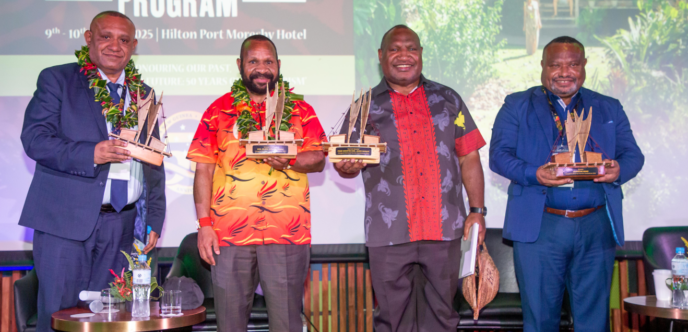
Papua New Guinea offers extraordinary potential as a tourism destination. Its remarkable cultural diversity, spectacular landscapes, unique biodiversity and wealth of authentic experiences distinguish it within the Pacific and the wider international tourism market.
Across the country, new developments in hotel and visitor accommodation are expanding the range of options available to business and leisure travellers. At the same time, Papua New Guinea’s cultural festivals, regional shows and community celebrations continue to offer visitors meaningful opportunities to experience the country’s living cultures, traditions and hospitality.
The Summit will provide an important forum for examining how these strengths can be developed, promoted and connected more effectively. It will encourage practical conversations about improving the visitor experience, supporting tourism businesses, strengthening partnerships and ensuring that the benefits of tourism reach communities throughout the country.
Running alongside the Summit, the Trade Exhibition will give tourism and hospitality businesses, airlines, accommodation providers, tour operators, provincial tourism offices, cultural organisations and other participating exhibitors an opportunity to showcase their products, services and destinations.
Delegates will be able to meet representatives from across Papua New Guinea’s tourism industry, discover new visitor experiences and industry developments, establish valuable contacts and explore opportunities for collaboration and partnership.
The exhibition will also provide participating organisations with a valuable platform to raise their profile and connect directly with industry decision-makers, potential partners and customers.
Whether you are a tourism operator, hospitality professional, policymaker, investor, development partner, community representative or business leader, the Papua New Guinea Tourism Summit and Trade Exhibition 2026 offers an opportunity to contribute to the conversations shaping the future of the industry.
Join us as we build on the achievements of the past year, explore the developments transforming Papua New Guinea’s tourism economy and work together to unlock the country’s potential as a distinctive tourism and business-events destination in the Pacific.
📅 Dates: Tuesday, 13 October – Wednesday, 14 October 2026
📍 Venue: APEC Haus, Port Moresby
🎟️ Registration closes: Monday, 5 October 2026
📧 Email: summit@papuanewguinea.travel
☎️ Phone: (675) 3250318
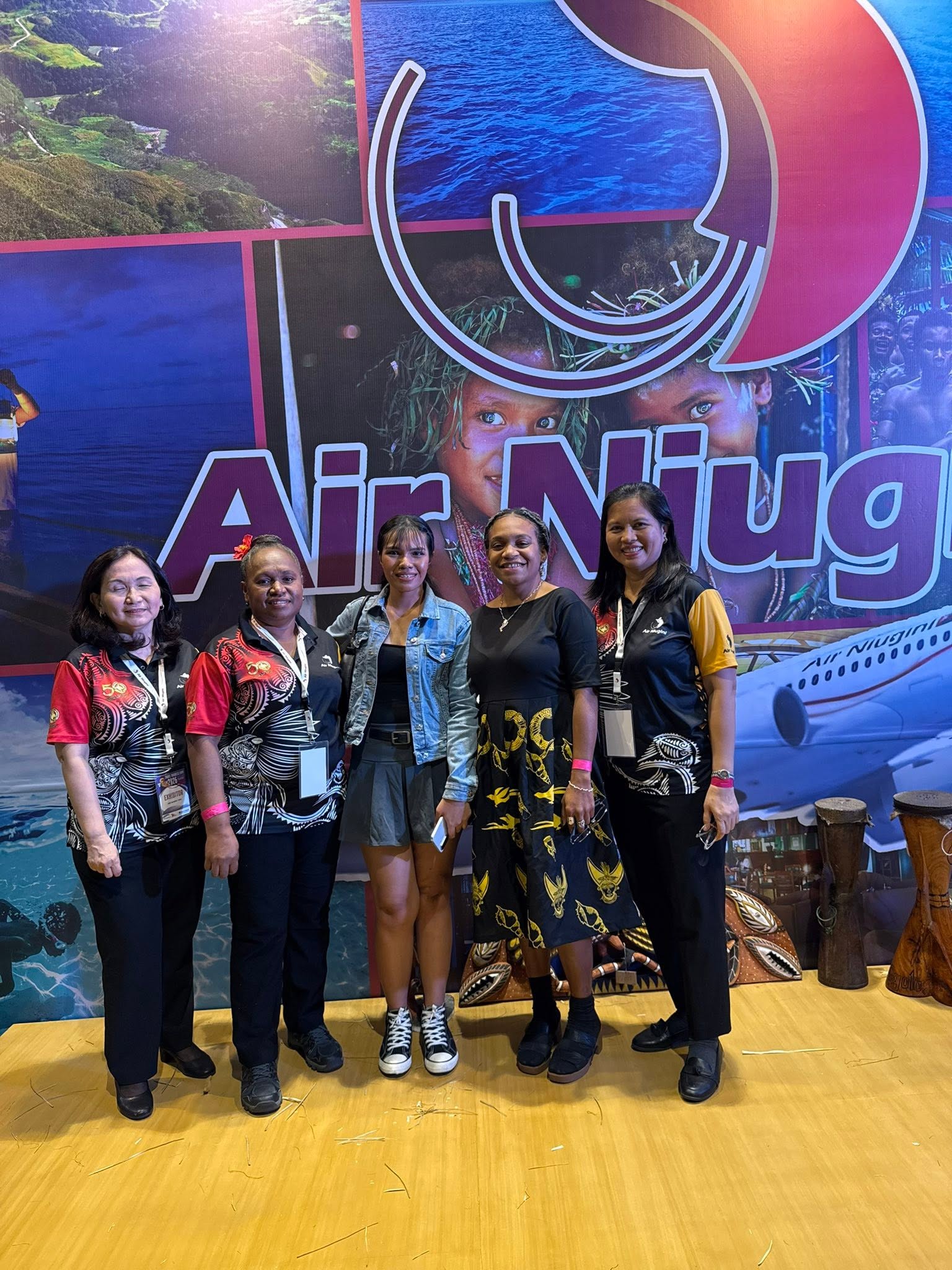
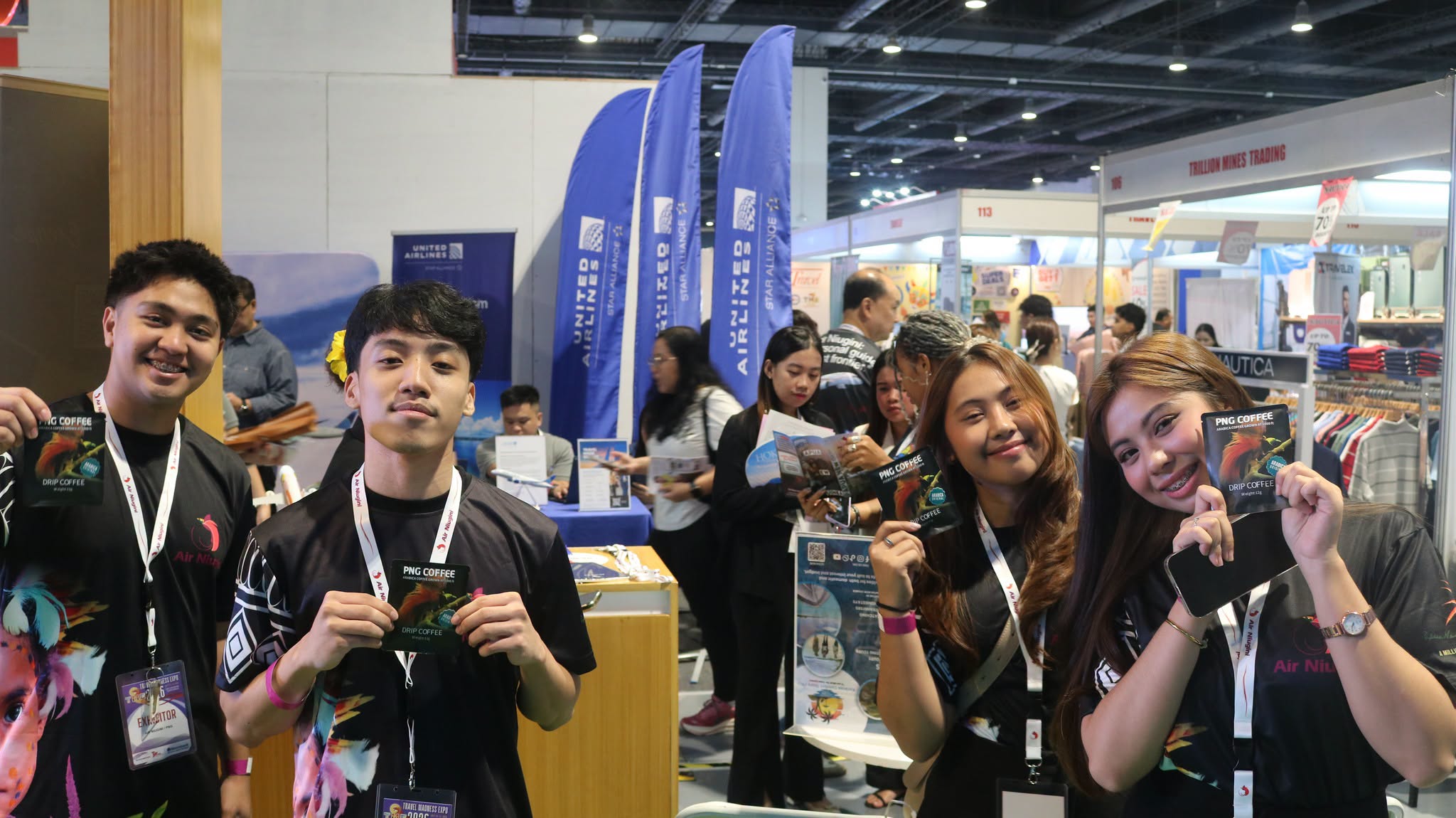
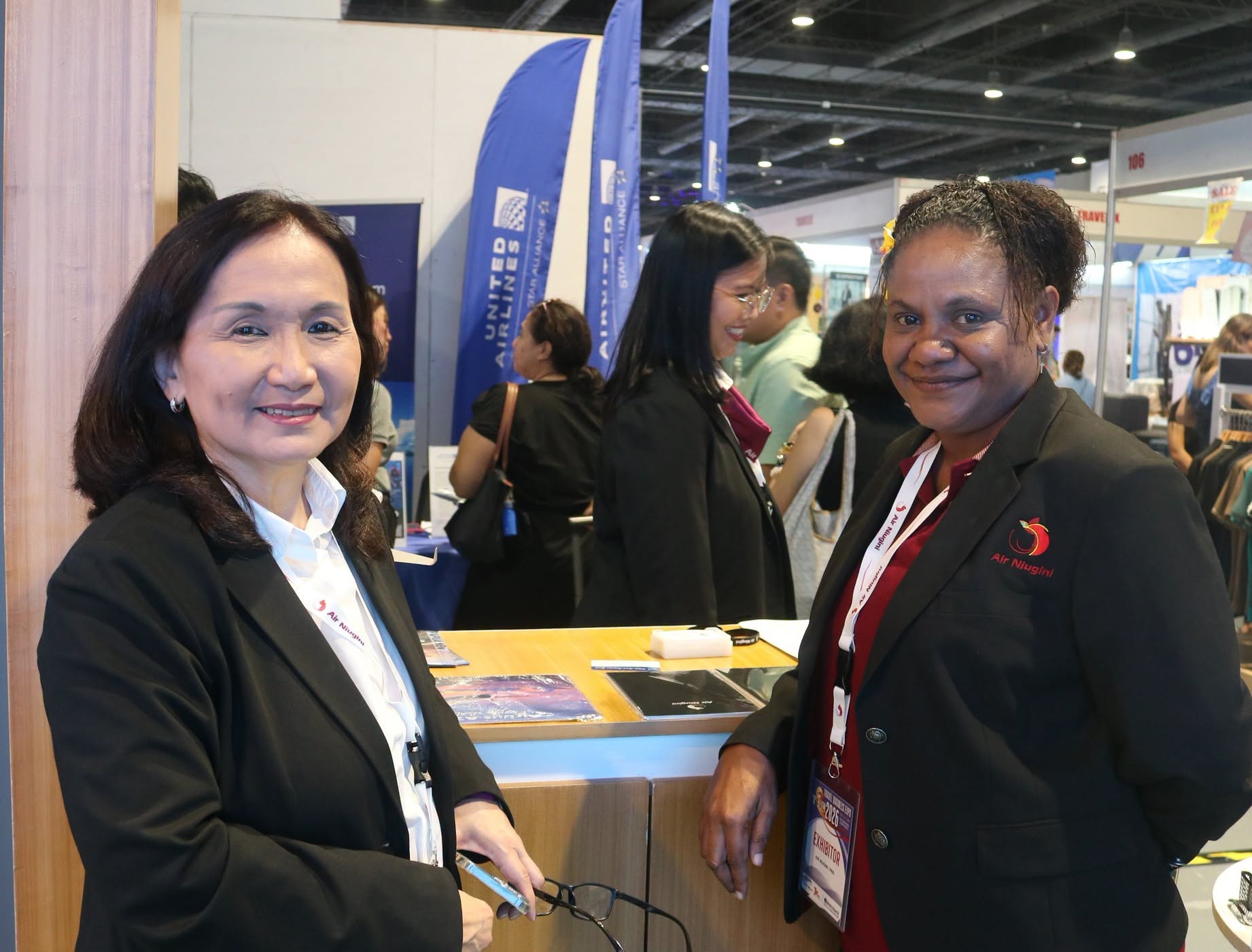
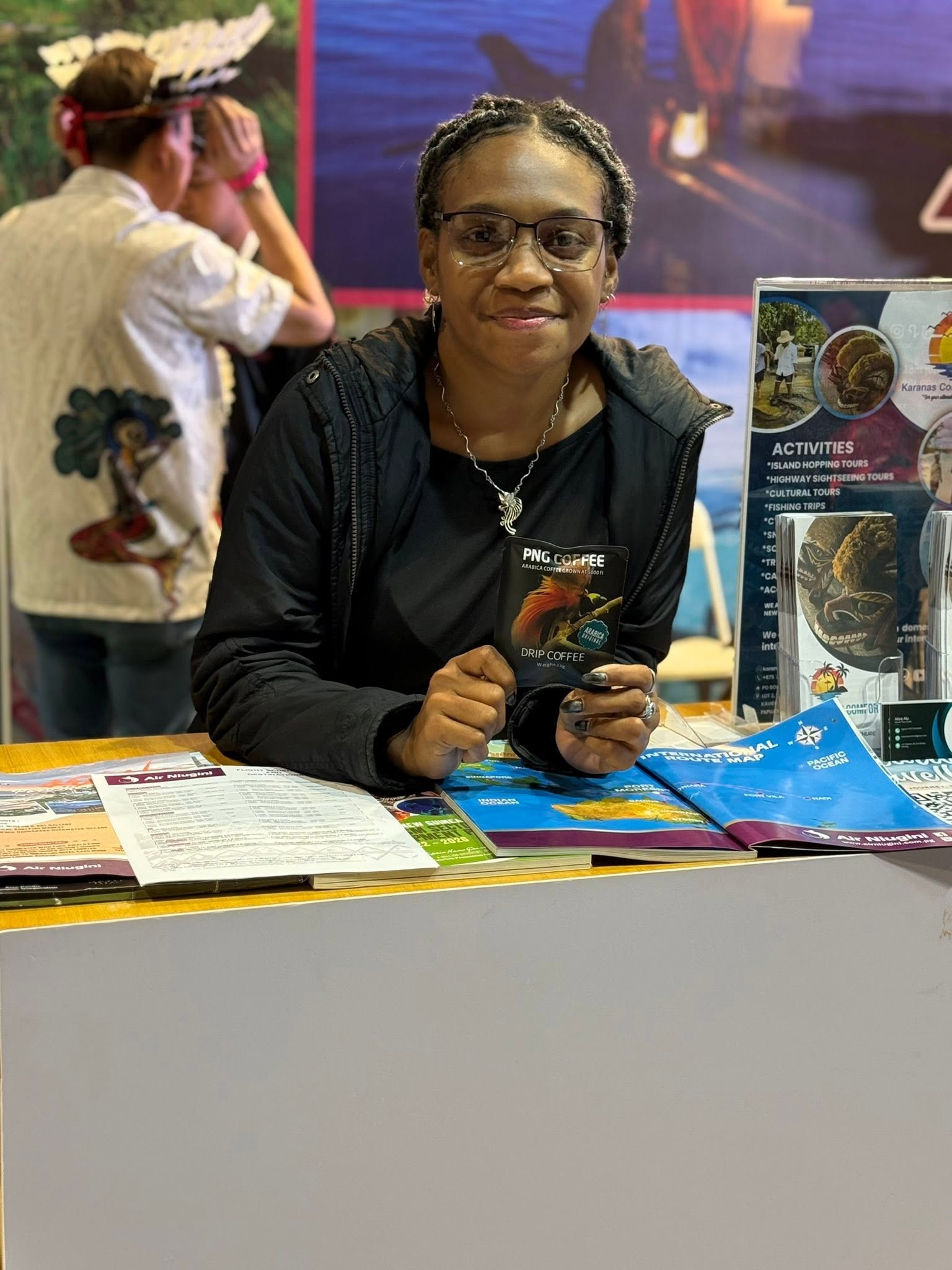
Papua New Guinea’s distinctive culture, natural beauty and adventure experiences were showcased to thousands of travellers and tourism industry representatives at the Travel Madness Expo 2026 in Manila, Philippines.
Held from 10–12 July at the SMX Convention Center, the three-day event brought together airlines, tourism organisations, travel agencies, hotels and tour operators from around the world.
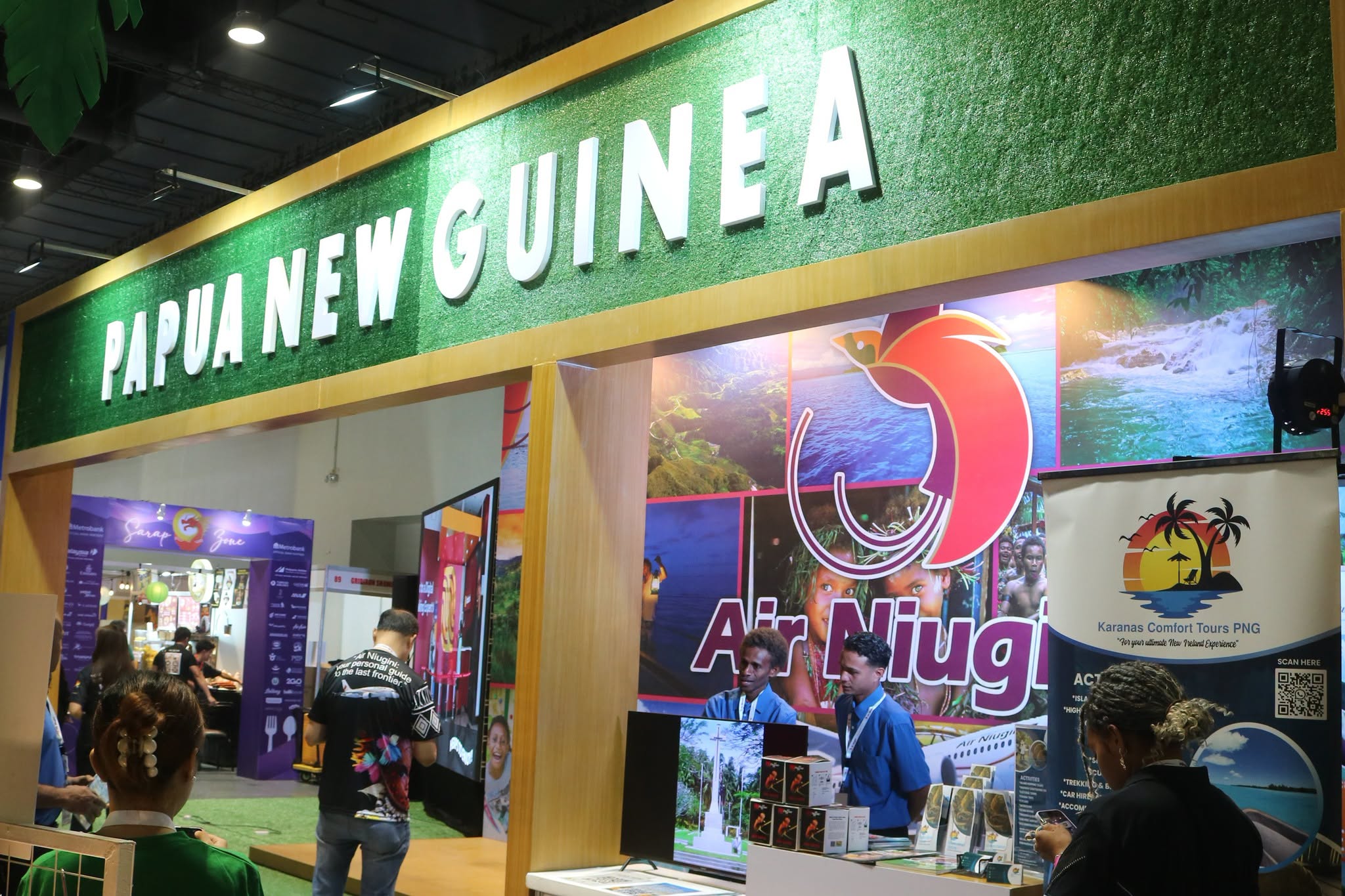
The Papua New Guinea Tourism Promotion Authority (PNGTPA) participated alongside Air Niugini and Karanas Comfort Tours, a PNG tour operator, to strengthen awareness of the country as a unique travel destination and expand its presence within the growing Asian tourism market.
Throughout the expo, visitors to the Papua New Guinea booth learned about the country’s rich cultural heritage, pristine natural environments, world-class diving, trekking, birdwatching and other authentic visitor experiences. Representatives from PNGTPA, Air Niugini and Karanas Comfort Tours engaged directly with visitors, providing information on destinations, air services, tour packages and travel experiences available across Papua New Guinea.
PNGTPA Executive Manager for Marketing and Promotions, Mr Joel Keimelo, said the expo provided an important opportunity to present Papua New Guinea directly to travellers and tourism partners in the Philippines.
“Papua New Guinea offers experiences that are genuinely distinctive—from our extraordinary cultures and landscapes to our diving, trekking, birdwatching and community-based tourism experiences. Our participation in the Travel Madness Expo allows us to share these stories directly with the Asian market and build stronger relationships with travellers and industry partners who are looking for authentic and meaningful destinations,” Mr Keimelo said.
The participation of Karanas Comfort Tours provided visitors with direct access to a locally based tourism operator, helping connect destination promotion with practical information about tours and travel experiences within Papua New Guinea.
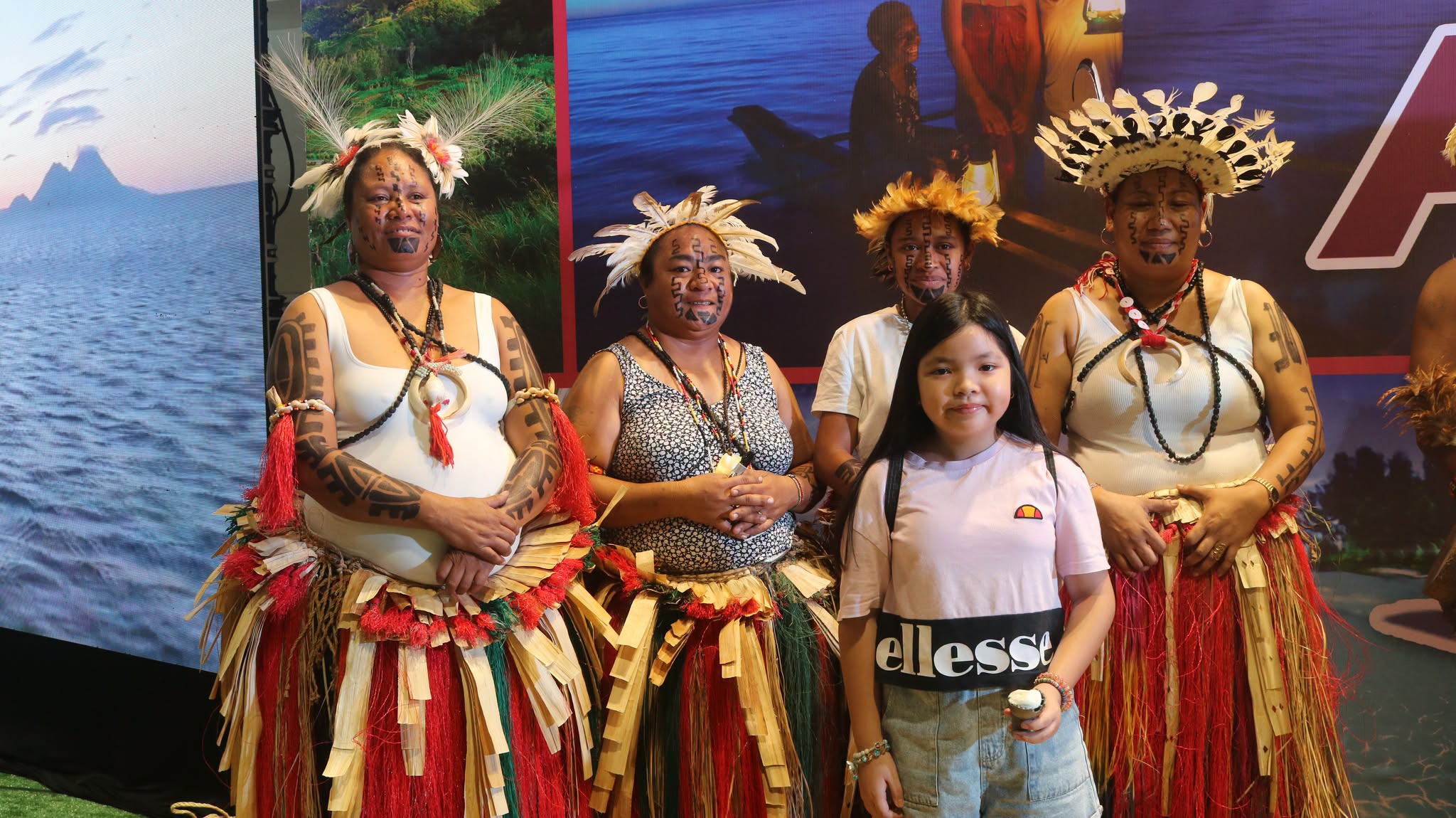
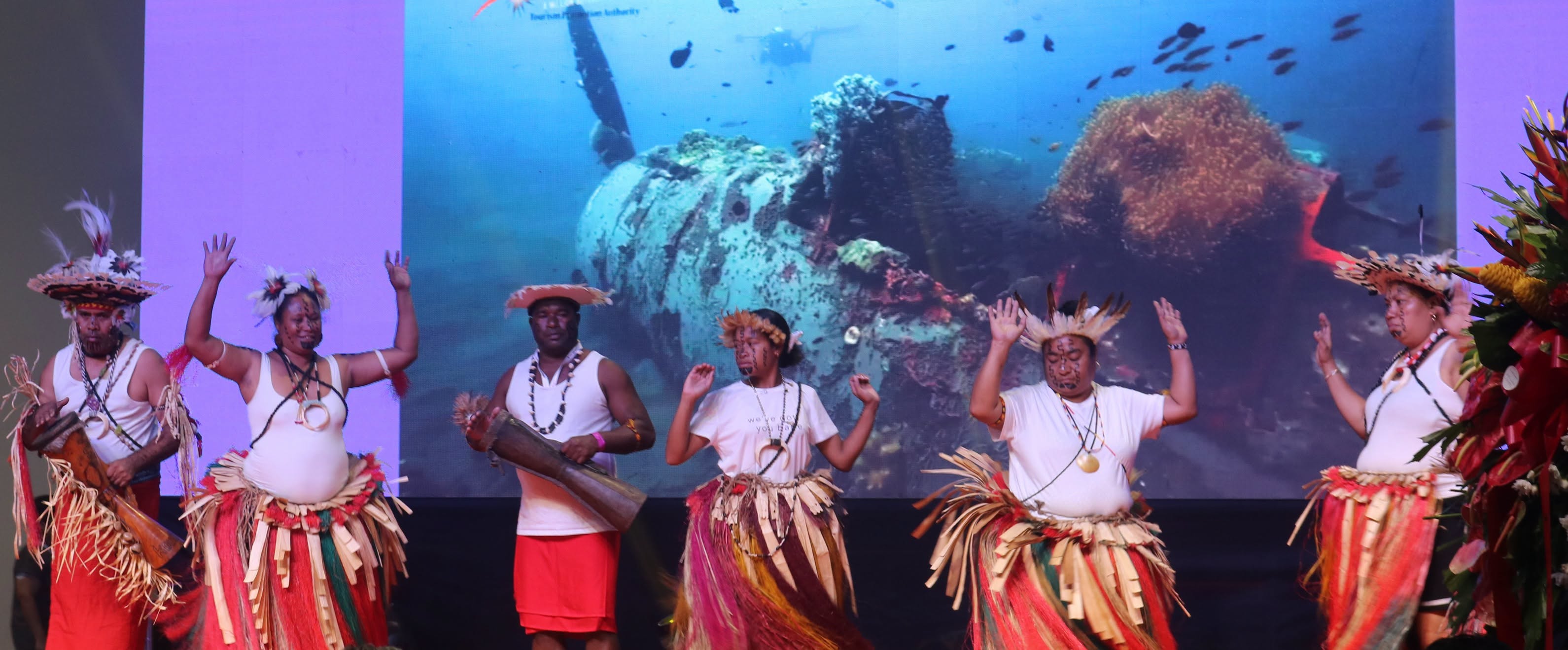
Adding colour and energy to PNG’s presence was the Galomarubu Kitoro Cultural Group from Central Province, whose performances captivated audiences on the expo’s main stage and at the PNG booth.
Their traditional dances attracted enthusiastic crowds, with visitors gathering to take photographs and learn more about the country’s diverse cultures and traditions.
The expo’s official opening included a ribbon-cutting ceremony attended by Papua New Guinea’s Ambassador to the Philippines, His Excellency Stephen Pokanis, and Air Niugini Regional Manager Asia, Mr Joshua Koh, together with other dignitaries and tourism industry leaders.
Mr Koh said participation in major tourism events throughout Asia was critical to building destination awareness and generating interest in travel to Papua New Guinea.
“Asia continues to be an important growth market for both Air Niugini and Papua New Guinea. Events such as the Travel Madness Expo provide valuable opportunities to engage directly with travellers, travel agents and industry partners, helping us tell Papua New Guinea’s story and showcase the incredible experiences available in our country,” Mr Koh said.
Air Niugini Chief Executive Officer, Mr Alan Milne, reaffirmed the airline’s commitment to supporting the growth of PNG’s tourism industry and strengthening connectivity with important international markets.
“Tourism is an important contributor to economic growth and employment in Papua New Guinea. Air Niugini is proud to work alongside the PNGTPA and our tourism industry partners to position the country as a must-visit destination,” Mr Milne said.
Following the Travel Madness Expo, Air Niugini and PNGTPA will continue promoting Papua New Guinea in Asia, with travel trade and consumer events scheduled for Singapore in August and Hong Kong in September.
These activities form part of continuing efforts to strengthen international tourism partnerships, increase destination awareness and encourage more travellers to experience Papua New Guinea’s extraordinary culture, nature, adventure and hospitality.◼️
For further information, email: joel.keimelo@papuanewguinea.travel
The Southern Region of Papua New Guinea is known for Port Moresby, the Kokoda Trail, Milne Bay’s islands, Tufi Fjords, and major river systems across the country’s southern mainland. The region includes Central, Gulf, Milne Bay, Oro, Western, and the National Capital District.
Located across southern Papua New Guinea, the Southern Region combines mountain trekking, island travel, diving, rainforest, wetlands, and cultural experiences. Travellers visit for WWII history, coastal landscapes, river journeys, village culture, and access to some of PNG’s most recognised natural landmarks.
The Southern Region covers southern Papua New Guinea, extending from the Indonesian border in the west to Milne Bay in the east.
The region includes the National Capital District, home to Port Moresby, Papua New Guinea’s main international gateway. Other major centres include Alotau, Popondetta, Daru, and Kerema.
Fact | Detail |
Region | Southern Region |
Provinces / Areas | Central, Gulf, Milne Bay, Northern (Oro), Western, Port Moresby (NCD) |
Key Hubs | Port Moresby, Alotau, Popondetta, Daru, Kerema |
Known For | Kokoda Trail, Milne Bay, Tufi Fjords, Port Moresby, Fly River |
The Southern Region stands out for its mix of capital city access, WWII history, island destinations, rainforest, fjord-like coastlines, and major river systems.
Visitors can experience the Kokoda Trail, Varirata National Park, Milne Bay’s islands, the Tufi Fjords, and the Fly River within one broad travel region.
The Papua Region includes 6 key provincial areas, each offering distinct landscapes and cultural experiences.
Province / Area | What It’s Known For |
Port Moresby, museums, Nature Park, cultural sites | |
Kokoda Trail access, Sogeri Plateau, Varirata National Park | |
River deltas, fishing, remote waterways | |
Diving, island hopping, WWII history, festivals | |
Tufi Fjords, Kokoda history, rainforest coast | |
Fly River, wetlands, wildlife, remote communities |
The best things to do in the Southern Region include visiting Port Moresby, trekking the Kokoda Trail, diving in Milne Bay, exploring Tufi, and travelling through river and wetland environments.
Port Moresby is Papua New Guinea’s capital city and the country’s main international gateway.
Visitors can explore Ela Beach, the National Museum and Art Gallery, Port Moresby Nature Park, local markets, and waterfront areas. The city also provides easy access to nature experiences around Sogeri and Central Province.
Sogeri sits approximately 40 minutes from Port Moresby and connects travellers to mountain scenery, waterfalls, and rainforest areas.
Varirata National Park, PNG’s first national park, is located on the edge of the Sogeri Plateau. Visitors come here for forest walks, scenic lookouts, birdwatching, and native rainforest environments. The area also connects to Kokoda Trail access points and nearby village communities.
The Kokoda Trail is one of Papua New Guinea’s most recognised travel experiences.
The 96-kilometre trek crosses the Owen Stanley Range between Central and Oro provinces. The route follows key sections of the 1942 Kokoda Campaign and combines mountain terrain, rainforest, village communities, and WWII history.
Milne Bay Province includes more than 160 islands and over 500 cays and atolls.
The region is known for coral reefs, marine biodiversity, island hopping, WWII history, and wreck sites. Alotau serves as the main travel hub for Milne Bay Province. The region also hosts the National Kenu and Kundu Festival, featuring canoe racing, drumming, and cultural performances.
Oro Province is home to the Tufi Fjords, one of Papua New Guinea’s most distinctive coastal landscapes.
The fjord-like inlets were formed by volcanic activity and are surrounded by rainforest-covered cliffs. Tufi combines diving, snorkelling, canoe experiences, village stays, and coastal rainforest scenery. Oro Province is also home to Queen Alexandra’s birdwing butterfly, recognised as the world’s largest butterfly species.
Western Province and Gulf Province contain major river and wetland systems across southern PNG.
The Fly River and Strickland River pass through Western Province and support remote communities, wildlife habitats, and river travel. Gulf Province includes coastal delta systems and waterways connected to fishing and village life.
Southern Region culture is shaped by coastal communities, inland villages, river systems, and island traditions.
Around Port Moresby, Motu Koita communities maintain traditional practices connected to coastal life and trade. In Milne Bay, canoe traditions and island ceremonies remain important. In Gulf and Western Province, communities maintain strong connections to river and wetland environments.
Visitors can experience village-based cultural activities, canoe and fishing traditions, local markets, food production, ceremonial performances, and storytelling across the region.
The easiest way to travel through the Southern Region is by combining Port Moresby access, domestic flights, road transfers, boat travel, and organised itineraries.
Flights connect Port Moresby with Alotau, Popondetta, Daru, and other regional centres. Road access connects Port Moresby to Sogeri and Kokoda access areas, while boats remain important for island, river, and fjord-based travel.
Due to distance and varying terrain, organised itineraries and packages often simplify logistics and improve access across multiple provinces.
Southern Region itineraries help travellers combine trekking, diving, cultural experiences, and coastal travel into one organised journey.
Depending on the route, itineraries may include Kokoda Trail trekking, Milne Bay island experiences, Tufi diving and fjord stays, Port Moresby cultural touring, and river or wetland experiences. Need advice on your Southern Region itinerary? Contact our friendly team.
The best time to visit the Southern Region depends on the activity and province.
Drier months generally improve conditions for trekking, road access, diving, and river travel. Sea conditions also affect island transfers and reef visibility in coastal provinces such as Milne Bay and Oro.
The Southern Region offers one of Papua New Guinea’s most complete travel experiences.
Visitors gain access to:
The region combines history, culture, nature, trekking, and coastal travel within one connected part of Papua New Guinea.
Planning travel through the Southern Region can involve trekking routes, islands, river systems, and multiple provinces. Contact our friendly team. for practical advice on where to go, when to travel, and how to experience the region with confidence.
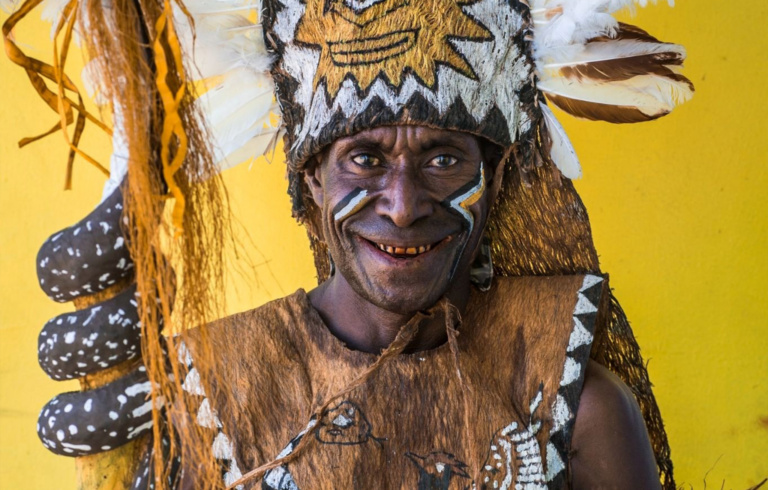
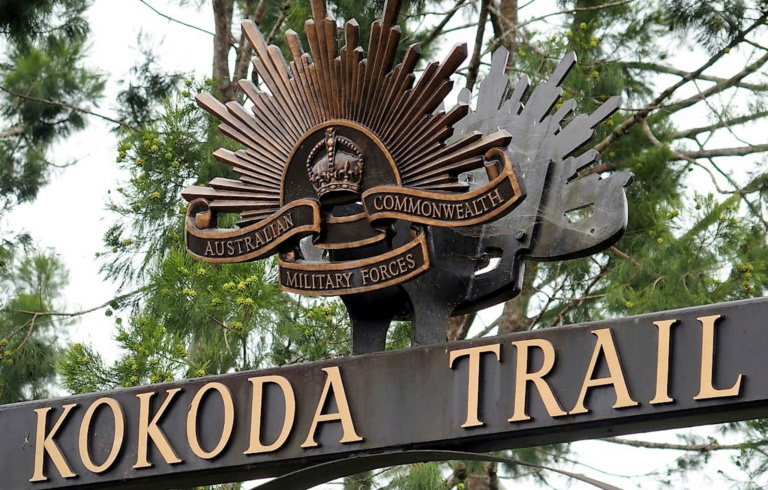
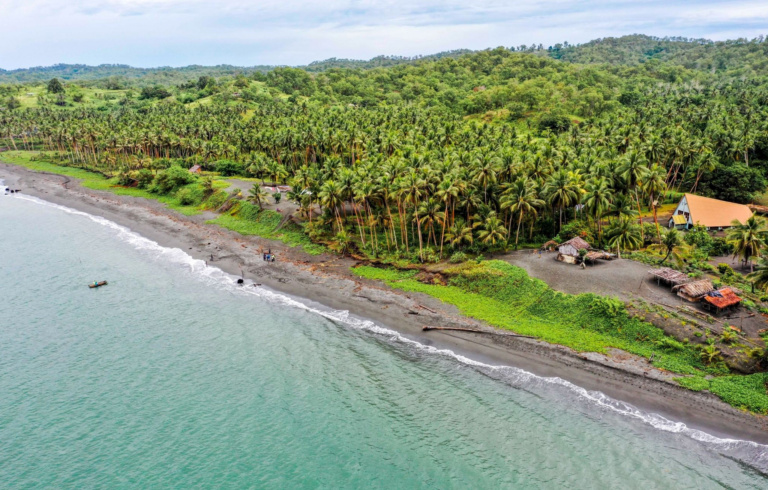
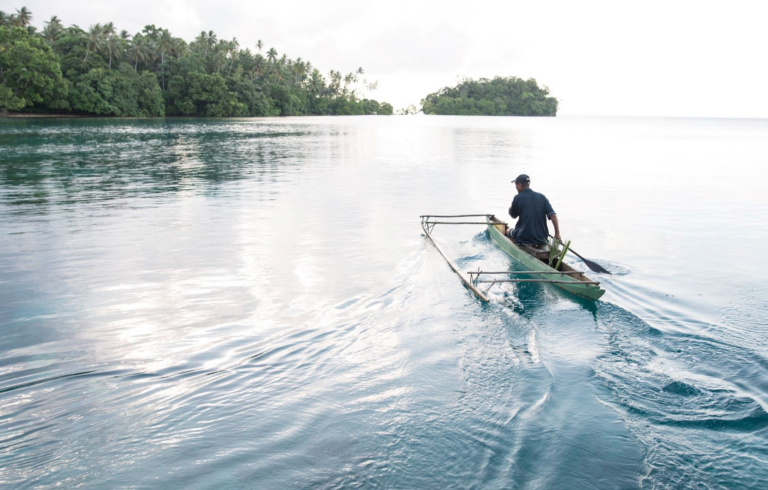
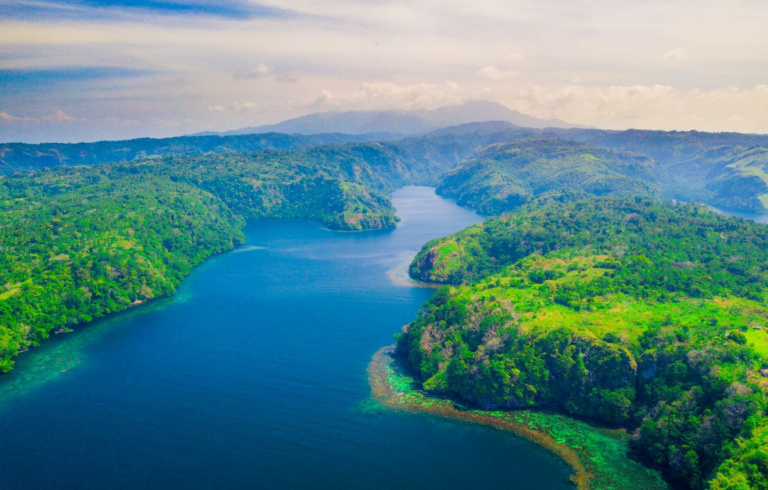
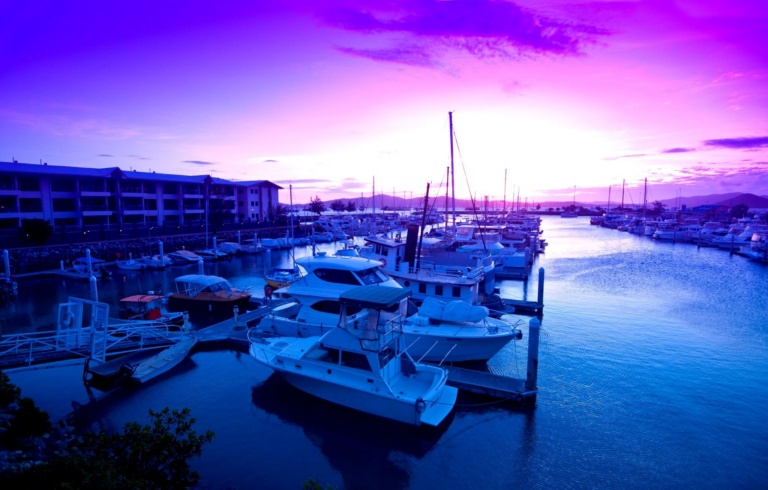
The Momase Region of Papua New Guinea is known for the Sepik River, Madang’s coral reefs, Lae’s markets, rainforest landscapes, and diverse coastal and river cultures. The region includes 4 provinces: Morobe, Madang, East Sepik, and West Sepik, also known as Sandaun.
Located along PNG’s northern mainland coast, the Momase Region combines river systems, offshore islands, mountain ranges, surf beaches, and cultural traditions that differ across each province. Travellers visit for river cruising, diving, cultural experiences, coastal towns, and access to some of Papua New Guinea’s most diverse mainland environments.
The Momase Region sits along Papua New Guinea’s northern mainland coast and includes 4 provinces across coastal, river, island, and rainforest environments.
The region stretches from Morobe Province in the east to West Sepik/Sandaun Province near the Indonesian border. Key travel hubs include Lae, Madang, Wewak, and Vanimo.
The name “Momase” comes from the first syllables of Morobe, Madang, and Sepik.
| Fact | Detail |
| Region | Momase Region |
| Provinces | 4 |
| Key Hubs | Lae, Madang, Wewak, Vanimo |
| Known For | Sepik River, Madang reefs, coastal culture, markets, WWII history |
The Momase Region stands out for its combination of river culture, coastal landscapes, rainforest environments, and cultural diversity.
The region differs from the Highlands and Islands regions through its mix of mainland coastline, major river systems, and busy regional centres. River communities, fishing villages, surf towns, and market hubs all contribute to the region’s identity.
Travellers experience:
Each province offers a different perspective on mainland Papua New Guinea.
The Momase Region includes 4 provinces, each offering distinct landscapes and cultural experiences.
| Province | What It’s Known For |
| Morobe Province | Lae, Huon Gulf, markets, rainforest, WWII history |
| Madang Province | Coral reefs, islands, diving, lagoons |
| East Sepik Province | Sepik River, Wewak, spirit houses, carvings, WWII history |
| West Sepik / Sandaun Province | Vanimo, beaches, surfing, remote coastlines |
Travellers can learn more through the province pages for Morobe, Madang, East Sepik, and West Sepik.
The best things to do in the Momase Region include cruising the Sepik River, diving in Madang, visiting local markets, exploring coastal towns, and experiencing village culture.
The Sepik River is one of Papua New Guinea’s most important cultural and geographic landmarks.
River journeys pass through village communities known for spirit houses, ceremonial traditions, and woodcarving. Canoe travel remains part of daily life along many sections of the river.
The Sepik River also supports one of the country’s most recognised cultural events, the Sepik River Crocodile & Arts Festival in Ambunti.
Sepik culture is known for carving traditions, spirit houses, and crocodile symbolism.
Communities throughout East Sepik maintain artistic and ceremonial practices connected to the river. Traditional carvings, masks, drums, and storytelling continue to play an important role in village life.
Visitors travelling through the Sepik region often experience:
Madang Province is recognised for coral reefs, offshore islands, and marine biodiversity.
The coastline includes lagoons, reef systems, and clear-water snorkelling areas. Diving around Madang features coral gardens, reef fish, and WWII underwater history, including wartime wrecks and submerged aircraft remains.
Boat trips connect visitors to nearby islands and coastal reef systems throughout the province.
Lae is Papua New Guinea’s second-largest city and a major gateway into the Momase Region.
Every year, the city hosts the highly-anticipated Morobe Show, which celebrates the province’s agricultural, commercial and cultural tributes – featuring cowboy events, motocross shows and much more.
The city connects travellers to Morobe Province, the Huon Gulf, and inland transport routes. Local markets showcase fresh produce, seafood, and goods from surrounding communities.
Lae also holds an important place in Papua New Guinea’s WWII history and remains one of the country’s key commercial centres.
Wewak serves as the main coastal centre in East Sepik Province and provides access to nearby islands and cultural areas.
Main attractions in and near Wewak include: WWII Wom Memorial, Wom Beach, Mission Hill, Grand Chief Sir Michael Somare Memorial, and Japanese Peace Park.
Visitors can explore coastal villages, beaches, and offshore islands such as Muschu Island and Kairiru Island. The surrounding area also contains wartime relics connected to the Pacific campaign.
Wewak is commonly used as a starting point for Sepik River travel and village experiences.
Vanimo gives the Momase Region a relaxed coastal atmosphere and access to surf beaches along PNG’s northern coastline.
The area is known for:
Vanimo also provides access to quieter coastal experiences away from PNG’s larger urban centres.
Momase Region culture is shaped by river communities, coastal villages, inland language groups, and artistic traditions.
The region contains significant cultural diversity, particularly along the Sepik River, where communities maintain distinct ceremonial and artistic practices. Coastal communities across Madang and Morobe also maintain strong fishing traditions and local market culture.
Across the region, visitors can experience:
Culture remains central to daily life throughout the Momase Region.
The Momase Region features some of Papua New Guinea’s most varied mainland landscapes.
The Sepik River system contrasts with Madang’s reefs and islands, while Morobe Province combines rainforest ranges with coastal environments around the Huon Gulf.
Natural features across the region include:
These landscapes support both tourism and local communities across the region.
The easiest way to travel through the Momase Region is by combining domestic flights, road travel, river transport, and boat-based experiences.
Flights connect Port Moresby with Lae, Madang, Wewak, and Vanimo. Boat transport remains important for island access and some river communities, particularly in East Sepik.
Road conditions vary across the region, especially during periods of heavy rainfall. Structured itineraries often simplify logistics across multiple provinces and transport types.
Travellers can explore broader travel options through the Itineraries & Packages page. Need advice on your Momase Region itinerary? Contact our friendly team.
The best time to visit the Momase Region depends on the province and activity.
Drier periods generally improve conditions for road travel, river journeys, diving, and coastal stays. Sea conditions can also affect island transfers and reef visibility.
Weather patterns vary between inland rainforest areas, river systems, and the northern coastline, so conditions may differ across the region throughout the year.
The Momase Region offers one of Papua New Guinea’s broadest mainland travel experiences.
Visitors gain access to:
The region combines culture, history, nature, and coastal travel within one connected mainland destination.
Planning travel through the Momase Region can involve river routes, coastal travel, and multiple provinces. Contact our friendly team for practical advice on where to go, when to travel, and how to experience the region with confidence.
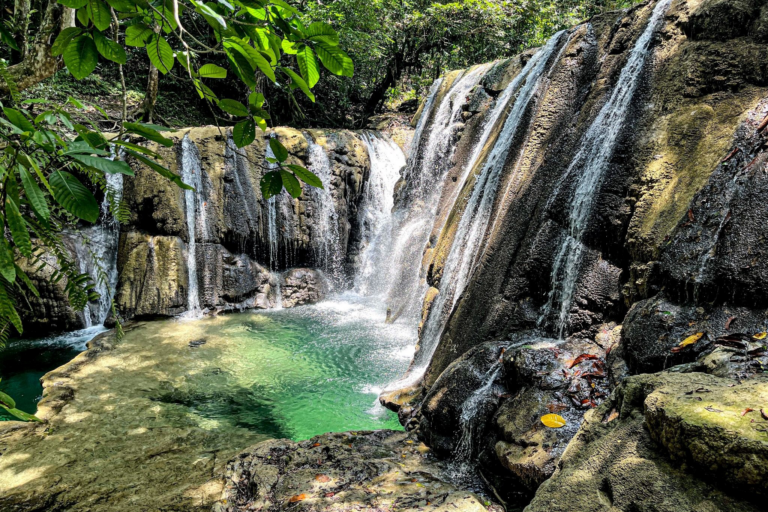
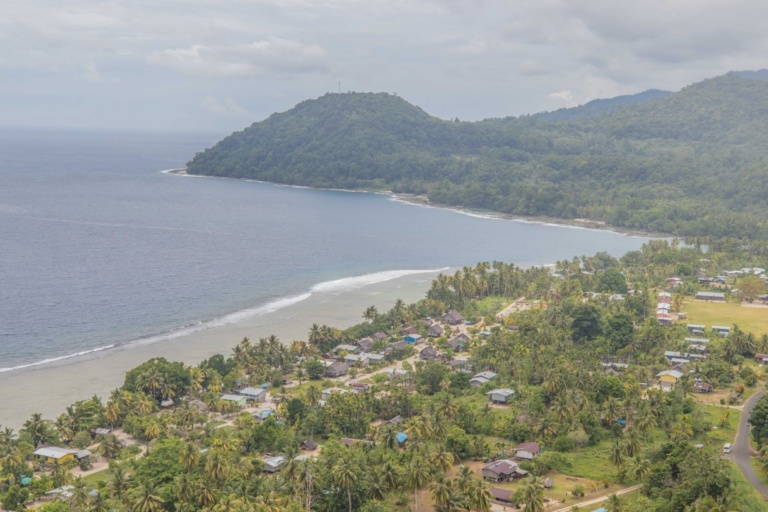
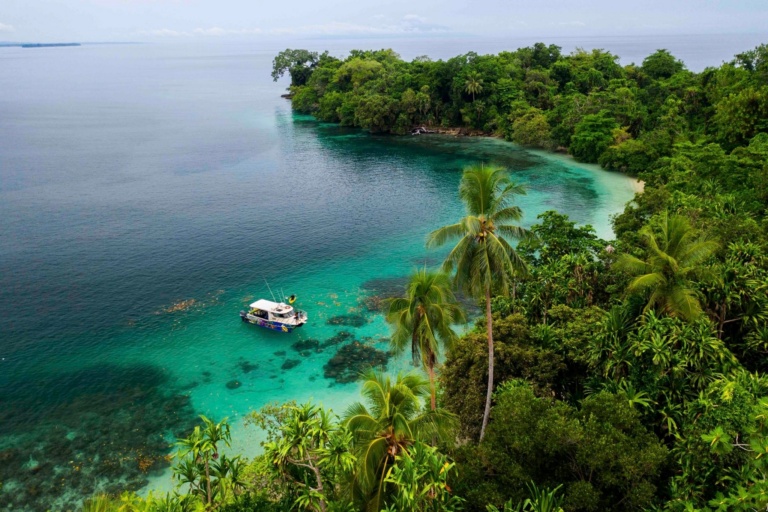
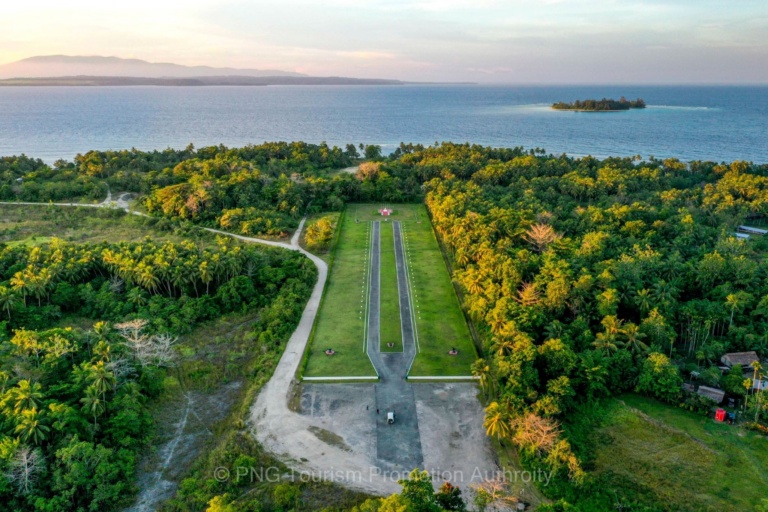
The New Guinea Islands (NGI) Region of Papua New Guinea is known for coral reefs, volcanic landscapes, island culture, and coastal communities. The region includes 5 provinces: Autonomous Region of Bougainville, East New Britain Province, Manus Province, New Ireland Province, and West New Britain Province.
Located across the Bismarck and Solomon Seas, the NGI Region offers access to some of PNG’s clearest waters, active volcanoes, WWII history sites, and remote island experiences. Travellers visit for diving, snorkelling, cultural encounters, and time spent across PNG’s island environments.
The NGI Region sits to the north and east of mainland Papua New Guinea and includes island chains spread across the Bismarck Sea and Solomon Sea.
The region consists of large islands such as New Britain and Bougainville, along with smaller island groups including Manus and New Ireland. Key travel hubs include Rabaul, Kokopo, Kavieng, Lorengau, Kimbe, Buka and Arawa.
| Fact | Detail |
| Region | New Guinea Islands Region |
| Provinces | 5 |
| Key Hubs | Rabaul, Kokopo, Kavieng, Lorengau, Kimbe, Buka, Arawa |
| Known For | Diving, islands, volcanoes, WWII history, culture |
The New Guinea Islands Region stands out for its marine biodiversity, island landscapes, and coastal culture.
The region differs from the Highlands through its warm climate, ocean access, and strong connection to island living. Communities are closely linked to the sea, with fishing, reef knowledge, and coastal traditions shaping daily life.
Travellers experience:
Each province offers a different mix of reef, culture, and landscape.
The Islands Region includes 5 provinces, each offering distinct island experiences.
Province | What It’s Known For |
Remote islands, WWII sites, cultural identity | |
Rabaul volcanoes, museums, WWII history, cultural festivals | |
Remote islands, lagoons, vibrant culture | |
Kavieng, surfing, diving, Malagan culture | |
Kimbe Bay, coral reefs, marine biodiversity |
Diving defines travel across the NGI Region. Areas such as Kimbe Bay in West New Britain Province and Kavieng in New Ireland Province provide access to magnificent coral reefs, rare fish species, reef sharks and diverse marine life. While in East New Britain, swim with dolphins near the Duke of York Islands. Snorkelling is widely available in the region in shallow lagoon areas and around offshore islands.
Discover world-class, off-grid surfing in the New Guinea Islands. In New Ireland Province, ride uncrowded waves at Rubio Plantation Retreat, a secluded beachfront escape near Namatanai. For a more immersive surf adventure, join a liveaboard charter with PNG Surfaris, offering access to remote breaks around Kavieng and Nusa Island Retreat.
Further northwest in Manus Province, stay at Chopon Surf Club, where consistent waves meet laid-back island living. Beyond surfing, enjoy paddleboarding, snorkelling, and exploring pristine marine environments.
Cast off on an unforgettable fishing adventure in the New Guinea Islands. Join Baia Sportfishing and explore remote rivers in search of prized Niugini and Spot Tail Bass.
Offshore, the deep waters of the Bismarck Sea deliver world-class game fishing, with opportunities to target blue marlin, yellowfin tuna, mahi-mahi (dorado), wahoo and dogtooth tuna.
Volcanic forces have shaped some of Papua New Guinea’s most dramatic scenery, particularly around Rabaul and Talasea. Towering calderas, ash-strewn plains and rugged coastal formations tell the story of powerful eruptions that continue to define the landscape today.
In Rabaul, watch a magical sunrise near Mount Tavurvur, enjoy megapode eggs and plantains cooked in naturally heated pools, offering a unique taste of the land itself. Over in West New Britain, unwind at the soothing Garu Hot River, where warm mineral waters flow through lush surroundings – perfect for a restorative dip after a day of exploration.
Cultural experiences take place in coastal villages across all provinces. Visitors engage with fishing communities, observe traditional practices, and learn about local customs tied to the ocean. Best places to stay for rich cultural experiences are Clem’s Place on Tunnung Island, New Ireland; Pangpang Paradise Island in the Duke of York Islands, East New Britain; and Pokpok Island’s Uruna Bay Retreat provide a rare glimpse into community life in the eastern part of Bougainville Island (ARoB).
The NGI Region contains numerous World War II sites, particularly in East New Britain Province and Bougainville. Visitors can explore museums, memorials, aircraft wrecks, tunnels, and historical locations connected to the Pacific campaign.
The Islands Region reflects a strong connection between people and the ocean.
Communities rely on fishing, reef systems, and coastal trade. Cultural practices include storytelling, canoe use, traditional cooking, and ceremonial gatherings linked to island identity.
Across the region, visitors can experience:
Cultural interaction forms a key part of travelling through the Islands Region.
The Islands Region features some of Papua New Guinea’s most diverse marine environments.
Coral reefs, lagoons, and offshore islands dominate the landscape. Kimbe Bay in West New Britain Province is recognised for its marine biodiversity, while the waters around New Ireland Province support reef systems and diving sites.
Other natural features include:
These environments support both tourism and local livelihoods.
The easiest way to travel through the Islands Region is by combining domestic flights and boat transfers.
Flights connect Port Moresby to Rabaul, Kavieng, Kimbe, Lorengau, Buka and Kieta. From these locations, boats provide access to smaller islands and coastal areas.
Due to distance between islands, structured itineraries improve travel efficiency and allow access to multiple destinations within a single trip.
Travellers can explore options through the Itineraries & Packages page.
Island itineraries provide a practical way to experience multiple locations and activities across the region.
The Bougainville Poro Tour focuses on remote island travel and cultural experiences in the Autonomous Region of Bougainville.
The ENB Poro Tour explores Rabaul and surrounding areas in East New Britain Province, combining history and volcanic landscapes.
For accommodation-based stays:
Island-focused stays include:
The New Ireland Poro Tour combines diving, island visits, and cultural experiences in New Ireland Province.
These itineraries combine transport, accommodation, and guided activities, making travel across the Islands Region more accessible.
The best time to visit the Islands Region is during periods of calmer seas and more stable weather.
Lower rainfall improves visibility for diving and snorkelling, while calmer conditions make boat travel between islands easier. Conditions vary across provinces, but marine activities operate year-round.
The Islands Region offers one of Papua New Guinea’s most accessible and diverse coastal travel experiences.
Visitors gain access to:
Planning travel across the Islands Region can involve multiple islands and transport options. Contact our friendly team for practical advice on where to go, when to travel, and how to experience the region with confidence.
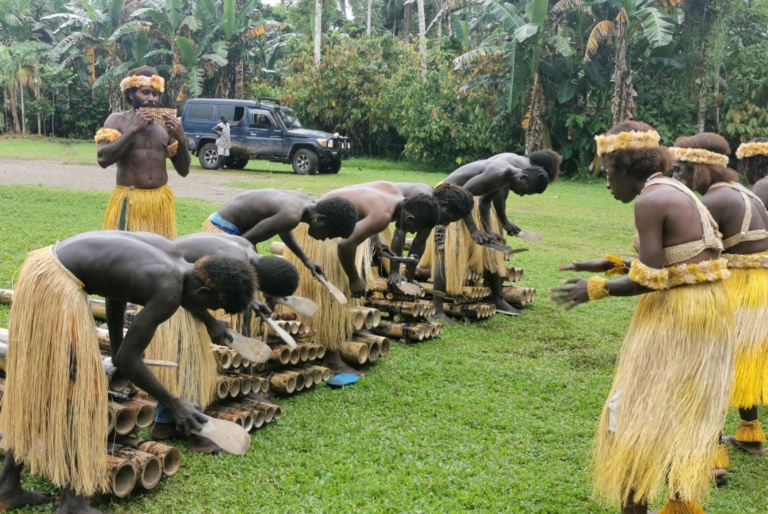
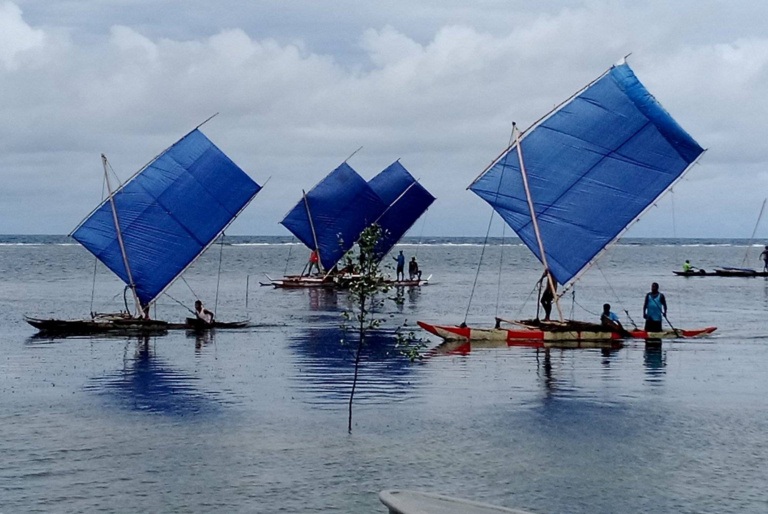
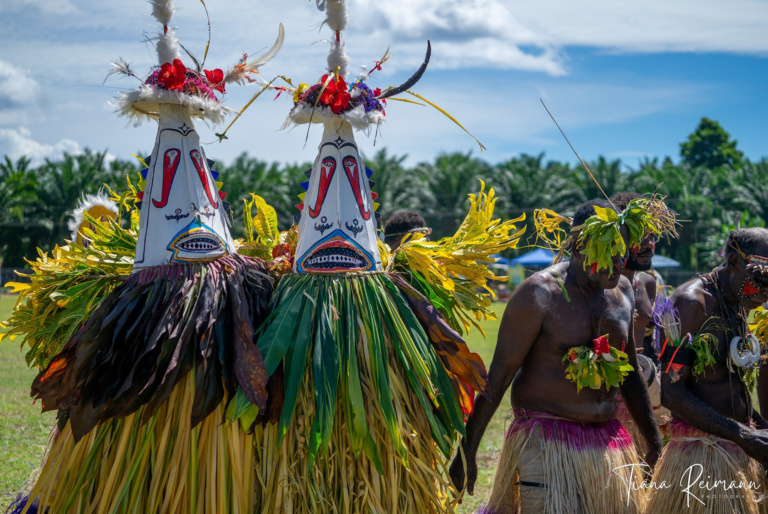
The Highlands Region of Papua New Guinea is known for mountain landscapes, strong tribal culture, major sing-sing festivals, and high-altitude valleys. The region includes 7 provinces: Eastern Highlands, Enga, Simbu, Southern Highlands, Western Highlands, Hela, and Jiwaka.
Located in PNG’s mountainous interior, the Highlands Region offers a cooler climate, dramatic scenery, and direct access to village life and cultural traditions. Travellers visit for trekking, birdwatching, festivals, and time spent in some of the country’s most distinct landscapes.
The Highlands Region sits in Papua New Guinea’s inland mountain ranges and spans 7 provinces across elevated valleys, ridgelines, and forested terrain.
The region lies west of the mainland’s coastal areas and is defined by altitude, with many locations sitting above 1,500 metres. Key travel hubs include Goroka, Mt Hagen, Tari, Kundiawa, Wabag, and Mendi, each providing access to different parts of the Highlands.
| Fact | Detail |
| Region | Highlands Region |
| Provinces | 7 |
| Key Hubs | Goroka, Mt Hagen, Tari, Kundiawa, Wabag, Mendi |
| Known For | Culture, trekking, birdwatching, coffee, festivals |
The Highlands Region stands out for its combination of cultural identity, mountain scenery, and access to remote communities.
The region differs from coastal PNG through its cooler temperatures, elevated terrain, and strong tribal traditions. Village life remains central across all provinces, with customs, language groups, and local practices continuing across generations.
Travellers experience:
Each province contributes a different experience within the region.
The Highlands Region includes 7 provinces, each offering distinct landscapes and cultural experiences.
| Province | What It’s Known For |
| Eastern Highlands Province | Goroka, coffee, Asaro Mudmen, Goroka Show, JK McCarthy Museum |
| Enga Province | Wabag, waterfalls, high-altitude lakes, Enga Cultural Show, Take Anda Museum |
| Simbu Province | Kundiawa, Mount Wilhelm, trekking |
| Southern Highlands Province | Mendi, Mount Giluwe, Lake Kutubu, Kutubu Kundu & Digaso Festival |
| Western Highlands Province | Mt Hagen, Waghi Valley, culture, Blue Bird-of-Paradise, Hagen Show |
| Hela Province | Tari Valley, Huli culture, birdlife |
| Jiwaka Province | Mountain scenery, rivers, culture, traditional food |
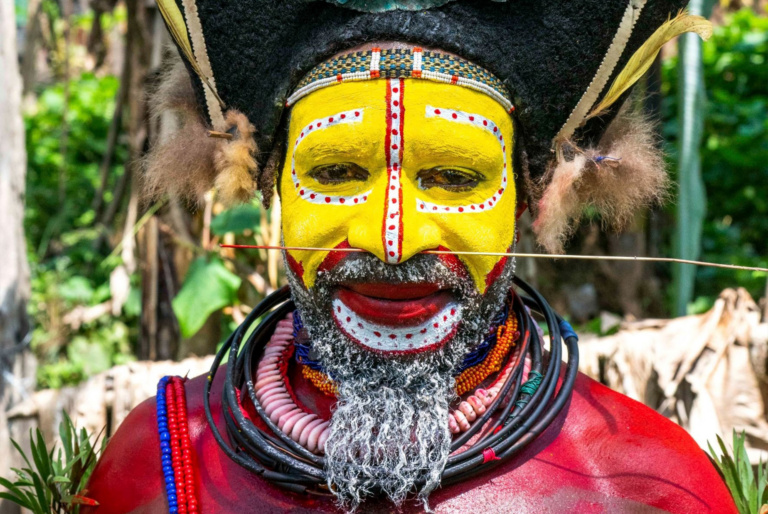
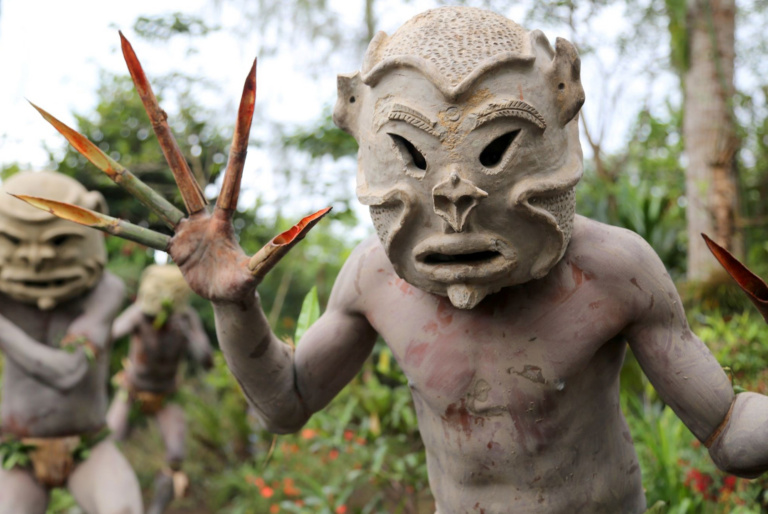
Cultural experiences define travel across the Highlands. Visitors can see the Asaro Mudmen in Eastern Highlands Province, visit Huli communities in Hela Province, and engage with village life across multiple provinces.
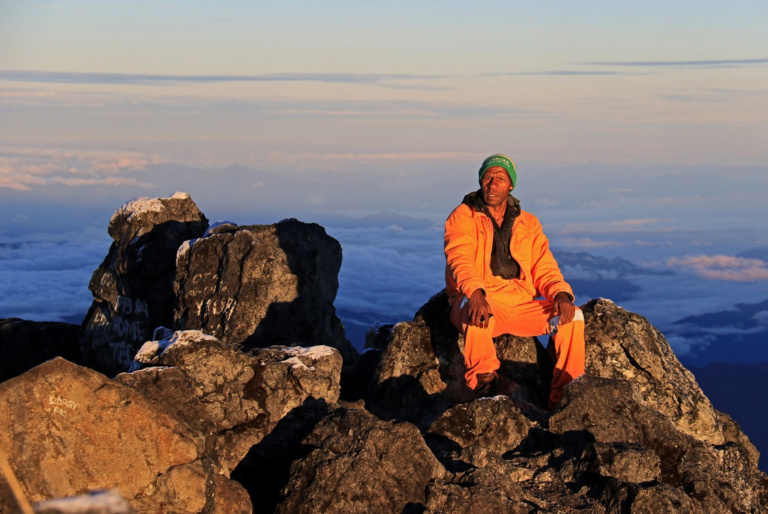
The Highlands offer some of PNG’s most recognised trekking routes. Mount Wilhelm in Simbu Province is the country’s highest peak at 4,509 metres. Mount Giluwe in Southern Highlands Province reaches 4,368 metres and is known for its volcanic terrain.
Bird watching areas in Western Highlands Province and Hela Province provide access to species unique to PNG’s highland forests. Landscapes include valleys, rivers, waterfalls, and dense rainforest.
Coffee production forms a key part of the region’s economy. Areas around Goroka in Eastern Highlands Province provide opportunities to learn about local coffee growing and processing.
The Highlands Region is one of Papua New Guinea’s strongest cultural areas, with traditions visible in both daily life and organised events.
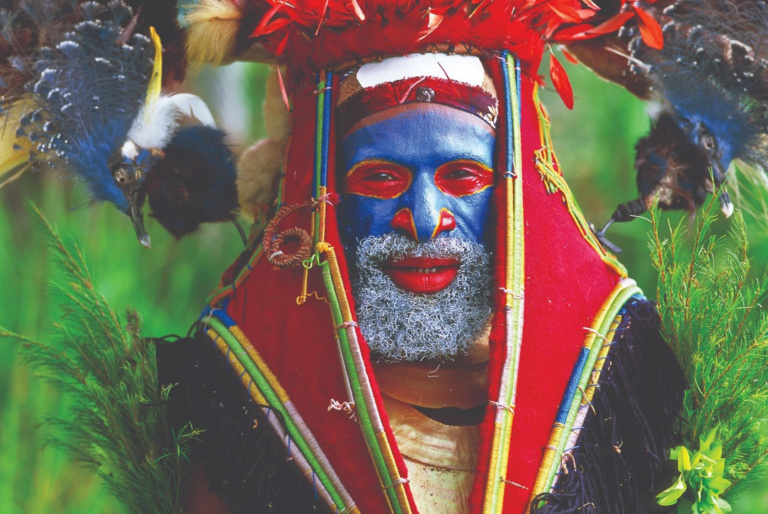
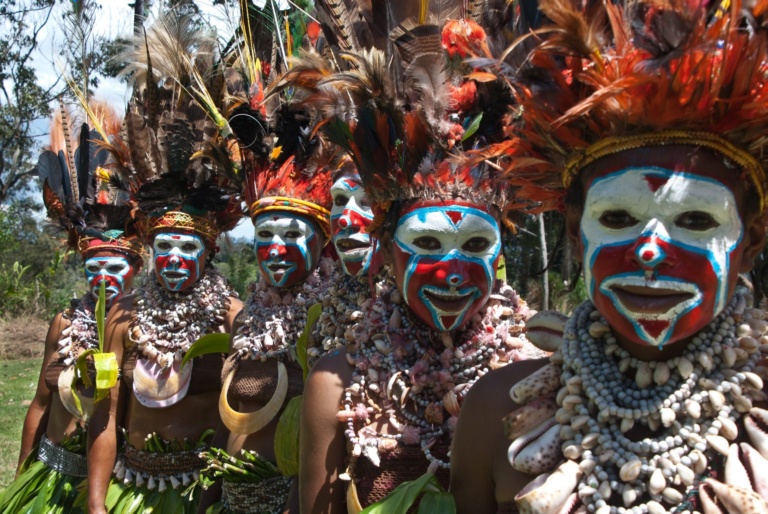
The Goroka Show in Eastern Highlands Province is one of the country’s most recognised festivals. It features groups from across PNG performing traditional dances, wearing ceremonial dress, and sharing cultural practices.
Across the region, communities maintain:
Cultural engagement remains a key part of travelling through the Highlands.
The Highlands Region features some of Papua New Guinea’s most elevated and varied landscapes.
Mountain ranges, valleys, and highland plains dominate the region. Mount Wilhelm in Simbu Province stands at 4,509 metres, making it the highest point in PNG. Mount Giluwe in Southern Highlands Province is the second highest peak.
Other natural features include:
These landscapes shape both travel experiences and daily life in the Highlands.
The easiest way to travel through the Highlands Region is by combining domestic flights, road travel, and structured itineraries.
Flights connect Port Moresby to key locations such as Goroka and Mt Hagen. From these hubs, road travel provides access to surrounding valleys and provinces.
Due to distance and terrain, pre-planned routes improve efficiency and access to multiple locations within a single trip.
Highlands itineraries provide a practical way to experience multiple provinces and activities in one trip.
The Itineraries & Packages page includes a range of Highlands options:
These itineraries combine transport, accommodation, and guided activities, making travel across the region more accessible.
The best time to visit the Highlands Region is during the drier months, when travel conditions are more stable.
Lower rainfall improves road access, trekking conditions, and visibility across mountain landscapes. September is a key travel period due to the Goroka Show.
Weather patterns vary by province, but drier conditions generally provide a more consistent travel experience.
The Highlands Region offers one of Papua New Guinea’s most culturally rich and visually distinct travel experiences.
Visitors gain access to:
The region combines culture, nature, and history within a single inland destination.
Planning travel through the Highlands Region can involve multiple provinces and routes. Contact our friendly team for practical advice on travel, timing, and how to experience the region with confidence.
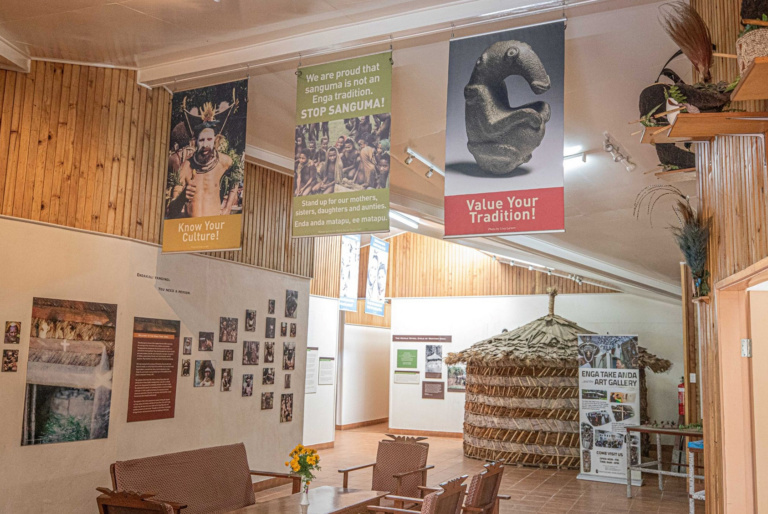
New Ireland Province in PNG offers diving, surfing, cultural ceremonies, WWII history, and remote island exploration in one destination. Visitors base themselves in Kavieng and explore reefs, villages, inland nature sites, and outer islands across the province.
New Ireland Province is located in the Islands Region of Papua New Guinea, northeast of the mainland, a part of the Bismarck Archipelago, and stretching over 360 kilometres along a narrow island chain. Kavieng serves as the main gateway, connecting travellers to dive sites, cultural villages, and island communities.
The surrounding waters of Kavieng offers over 20 recognised dive sites featuring coral reefs, WWII wrecks, reef sharks, and drift channels.
Reef systems surround the northern tip of the island. Divers access coral walls, drop-offs, and current-swept passages with visibility commonly ranging from 15 to 30 metres.
Wreck diving forms a major highlight. Japanese aircraft and wartime debris remain scattered in shallow and deeper water. These structures now attract marine life including barracuda, trevally, snapper, turtles, and reef sharks.
Surfing is strongest from November to April when reef breaks produce consistent uncrowded waves. PNG Surfaris based in Kavieng specialises in surfing New Ireland and other islands across the Bismarck.
Lissenung Island Resort operates as a dedicated dive base with direct boat access to outer reef systems and wreck sites.
Snorkelling in New Ireland Province PNG takes place over clear coral gardens close to shore and around nearby islands.
Calm lagoons near Kavieng provide shallow reef access suitable for relaxed exploration. Marine life includes parrotfish, clownfish, reef sharks, and tuna moving through deeper channels.
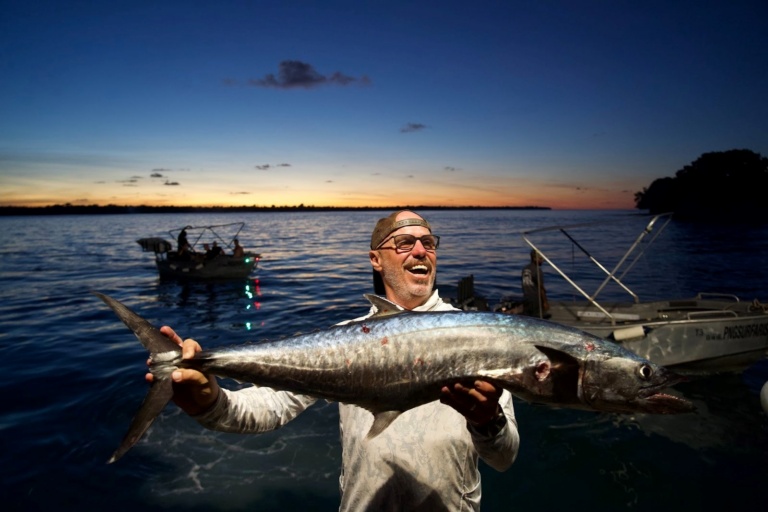
Game fishing remains popular year-round. Common species include:
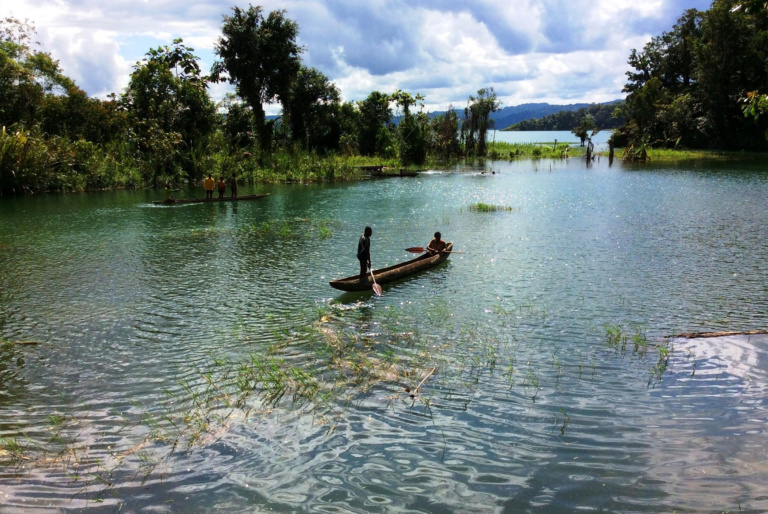
Kayaking offers a slower way to explore hidden coves and small inlets along the coastline. Many visitors paddle past traditional canoes used by local communities for daily fishing.
New Ireland Province extends beyond its reefs. Inland areas feature caves, waterfalls, and forest reserves.
The Laraibina Eel Sanctuary attracts visitors who observe resident freshwater eels considered culturally significant by local communities.
Nature-based tours often include:
These experiences provide contrast to the marine-focused activities in Kavieng.
Nusa Island Retreat near Kavieng offers eco-friendly accommodation and some of the best dining experiences in New Ireland.
New Ireland Province culture is defined by Malagan ceremonies, one of Papua New Guinea’s most recognised traditional practices.
Malagan events involve carved masks, sculptural panels, music, dance, and structured clan exchanges. Carvings depict birds, fish, and ancestral figures linked to specific clans.
New Ireland Day takes place annually in July and showcases Kabai, Tubuan, and Malagan performances. Tatanua masks and Kulepteina women performers form part of these cultural displays.
Village visits allow travellers to learn about:
Cultural continuity remains strong across New Ireland Province districts, with ceremonies still central to community life.
New Ireland Province contains numerous World War II aircraft wrecks, artillery sites, and abandoned airstrips from Japanese occupation.
Visitors can explore:
Several wrecks now function as dive sites where coral growth surrounds wartime debris.
Island hopping in New Ireland Province reveals remote beaches, traditional villages, and coral lagoons.
Day trips typically include:
The Boluminski Highway runs along the east coast from Kavieng toward Namatanai, offering cycling routes and access to inland waterholes such as Fissoa.
Understanding New Ireland Province districts helps with planning. The province includes:
Each district provides a different mix of coastline, village life, and outer island access.
Accommodation in New Ireland Province PNG focuses on small-scale island and coastal properties.
Lissenung Island Resort offers private island stays with direct reef access and dive operations.
Clem’s Place provides mainland accommodation close to town, fishing charters, and boat departures.
For travellers seeking a structured experience, the Hello Poro campaign includes coordinated multi-day tours that combine diving, cultural visits, and island exploration.
The Hello Poro campaign makes it easy to experience New Ireland Province through curated itineraries that combine diving, culture, and island exploration.
The New Ireland Poro Tour packages accommodation, guided activities, and local experiences into a coordinated multi-day journey. Travellers visit outer islands, snorkel coral reefs, explore WWII sites, and engage with village communities without needing to organise separate transfers or bookings.
For seasonal travel, the campaign also includes dedicated Easter specials:
These structured tours suit travellers who want a clear plan, local guidance, and reliable logistics across the province’s long coastline and offshore islands.
The Hello Poro campaign provides a streamlined way to experience Kavieng, the outer islands, and New Ireland Province districts within one coordinated itinerary.
New Ireland Province PNG offers:
Kavieng anchors the experience, while outer islands and southern districts provide remoteness and cultural depth.
New Ireland Province combines marine adventure, cultural identity, and historical exploration within one accessible island destination in Papua New Guinea.
Have questions about visiting New Ireland Province? Contact our local team of PNG experts.
Please help share our story:
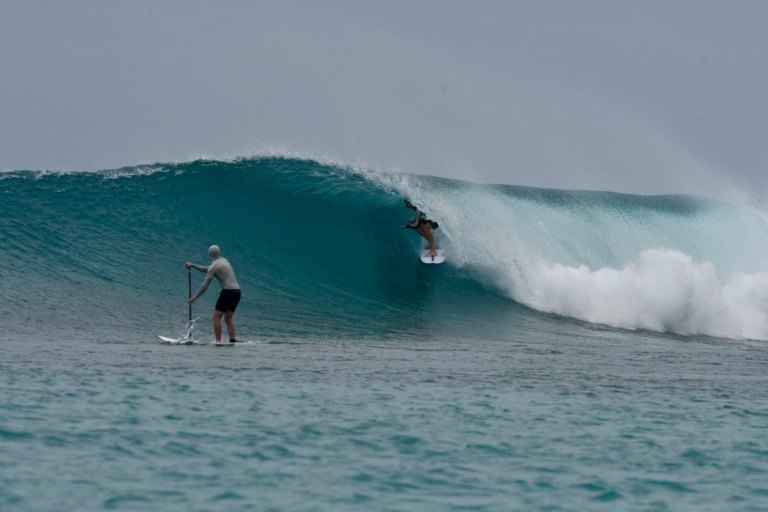
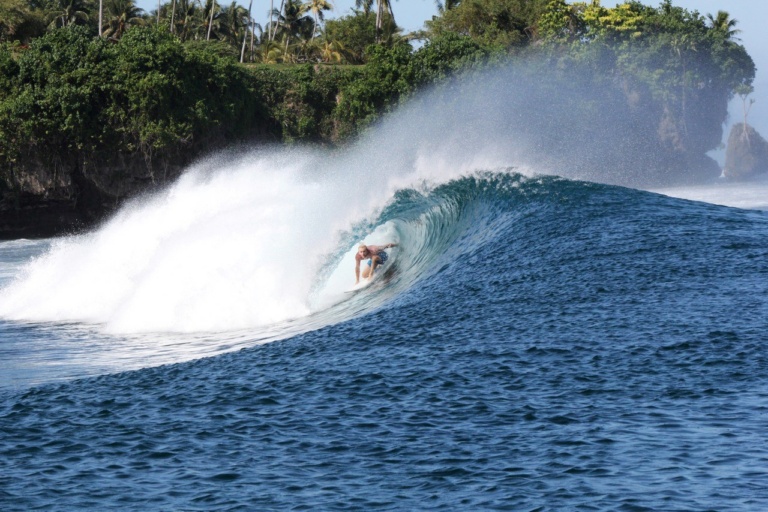
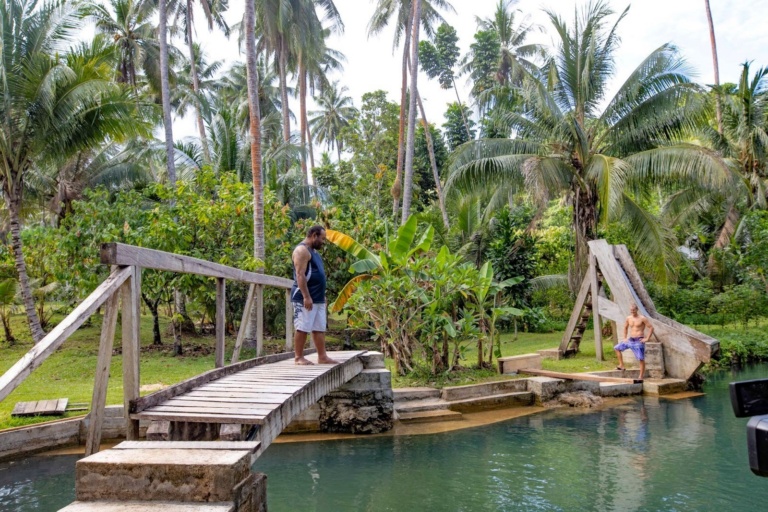
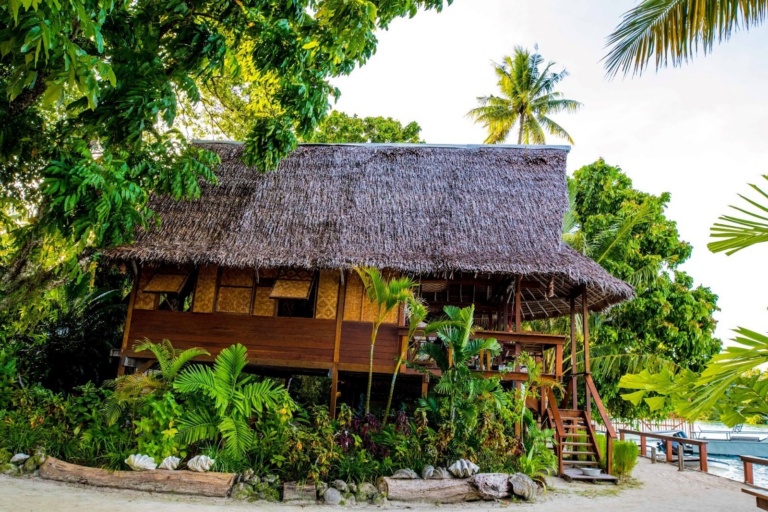
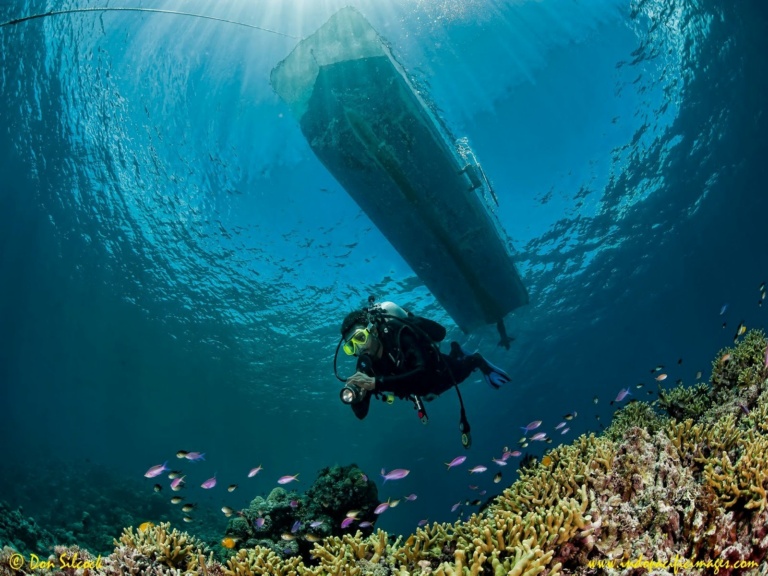
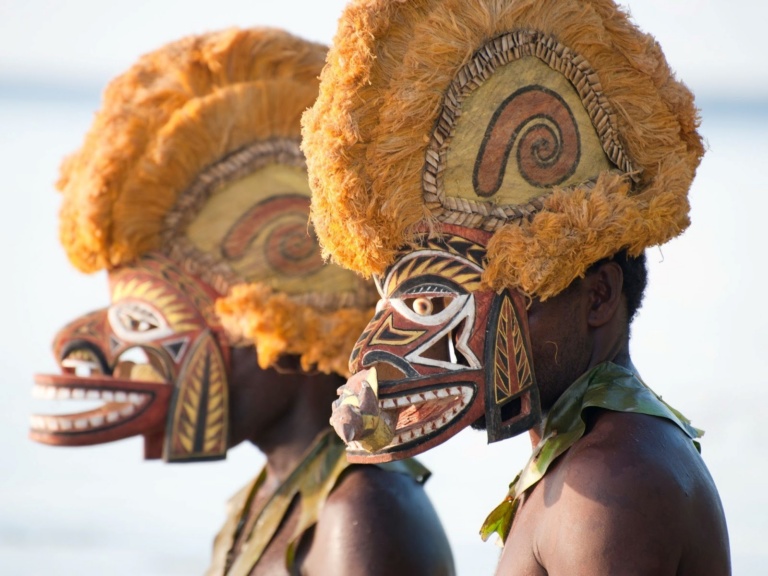
As the world welcomes the Chinese New Year of the Snake, it’s time to embrace new beginnings and embark on a journey of renewal and transformation. Papua New Guinea, with its beautiful landscapes and incredible culture, is the perfect destination to celebrate this special year. From the lush jungles that echo the snake’s wisdom and mystery to the winding Sepik River that mirrors the serpent’s elegance, PNG offers countless opportunities to start your year with extraordinary experiences.
The snake symbolizes wisdom, rebirth, and transformation—themes that resonate deeply with Papua New Guinea’s natural beauty and cultural richness. This Chinese New Year, immerse yourself in a destination that embodies these qualities and promises a truly unique adventure.
1. Witness the Lion Dance in Port Moresby:
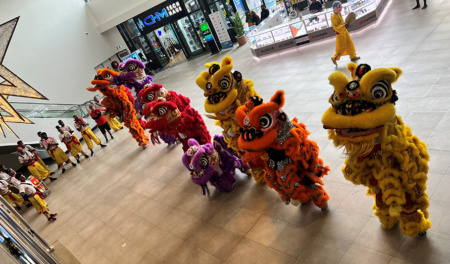
🧧 Start your celebrations with the vibrant performances of the Cathay Club’s lion dancers in Port Moresby. The rhythmic drums, acrobatic tricks and colorful costumes create an electric atmosphere to ring in the New Year. Follow the Cathay Club Port Moresby Facebook page for more information.
2. Relax at Mona’nauna Beach Retreat, Milne Bay:
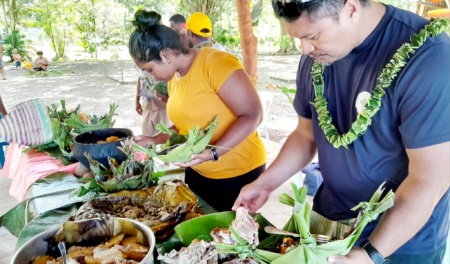
🧧 Escape to the tranquil eco-friendly haven of Mona’nauna Beach Retreat in Milne Bay. Get away with family and friends for a picnic, enjoy the local East Cape cuisine and explore the nearby waterways by paddle board. Follow the Mona’nauna Beach Retreat Facebook page for more information.
3. Discover Simbu Hospitality at Betty’s Place:
🧧 Head to the Highlands of Simbu and stay at Betty’s Lodge, a charming getaway at the base of Mount Wilhelm, Papua New Guinea’s highest mountain. Savour the home-grown cuisine served by Betty and her team, and tour her famous trout farm. Follow Betty’s Place Facebook page for more information.
4. Explore Port Moresby Nature Park:
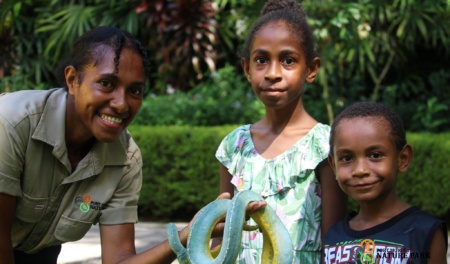
🧧 Embark on a ‘snaketastic’ adventure at the Port Moresby Nature Park. Meet the park’s resident snakes and other fascinating creatures while learning about PNG’s diverse wildlife. This family-friendly activity is both educational and fun.
Papua New Guinea offers more than just a destination—it’s an invitation to reconnect with nature, culture, and yourself. Whether you’re exploring the vibrant Sepik River, hiking through lush rainforests, or enjoying the warm hospitality of the country, every moment in this unique country is a celebration of transformation and new beginnings.
So why not make this Year of the Snake truly unforgettable? Papua New Guinea awaits with a million different journeys, each as extraordinary as the next.◾
Australia is Papua New Guinea’s nearest neighbour, sharing historical and political ties, not to mention a deep love for sports like rugby league and cricket. Whether you’re a history enthusiast, a nature lover, or simply curious to explore, here are the top things to do in Papua New Guinea that celebrate our shared history and enduring friendship:
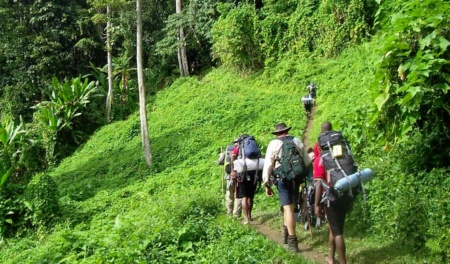
Experience the iconic Kokoda Trail, a symbol of bravery and cooperation during World War II. This challenging trek retraces the steps of the brave ANZAC soldiers and the legendary Papua New Guinean Fuzzy Wuzzy Angels who supported them. Walking the track is a deeply moving journey that highlights the bond forged during wartime. Click here: Trekking Papua New Guinea
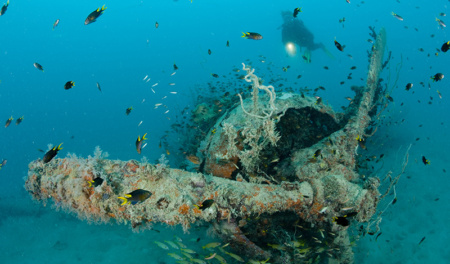
Papua New Guinea is home to some of the world’s best diving spots, including Kimbe Bay, Tufi, and Milne Bay. Explore the New Britain Islands and Kimbe Bay on the live-aboard MV Oceania. At Tufi Dive Resort, there are several amazing dive spots, including the WWII Black Jack. Meanwhile, Tawali Resort in Milne Bay offers unforgettable diving tours that can bring you up close to giant manta rays. Click here: Diving Papua New Guinea
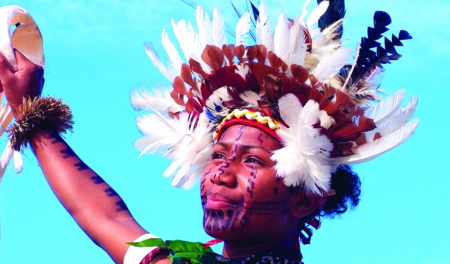
Attend one of Papua New Guinea’s many vibrant cultural festivals, such as the Hiri Moale Festival in Port Moresby or the Warwagira Mask Festival in Rabaul, taking place in April and July this year. These festivals showcase Papua New Guinea’s extraordinary cultural diversity through traditional dances, elaborate costumes, and community celebrations. Click here: Festivals in Papua New Guinea
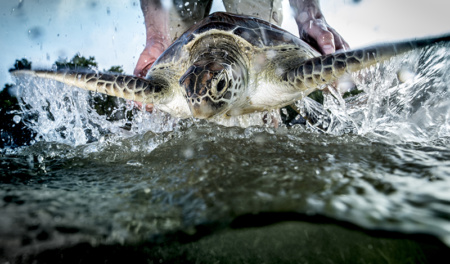
Like Australia, Papua New Guinea is a biodiversity hotspot, with many similar flora and fauna that need our combined support. Make your holiday in PNG meaningful by staying at eco-friendly places where you can join programs involving coral and mangrove rehabilitation and turtle conservation. Consider Loloata Island Resort in the Central Province, Mona’nauna Beach Retreat in Milne Bay, or Lissenung in New Ireland Province. Click here: Places to Stay in Papua New Guinea
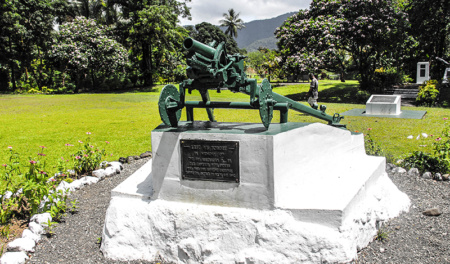
Discover key sites that highlight the intertwined histories of Australia and Papua New Guinea. Sign up for historical tours in cities and towns like Port Moresby, Lae, Rabaul, Wewak, and Alotau. These townships hold preserved memorials and landmarks that tell stories of our shared history, and they remain an integral part of our Papua New Guinea identity. Click here: Historical Sites in Papua New Guinea
As Australians celebrate Australia Day, consider making plans to explore Papua New Guinea. Whether it’s through retracing historical connections, diving into natural wonders, or immersing yourself in rich cultural traditions, Papua New Guinea offers a wealth of experiences that highlight the unique bond between our two nations.◼️
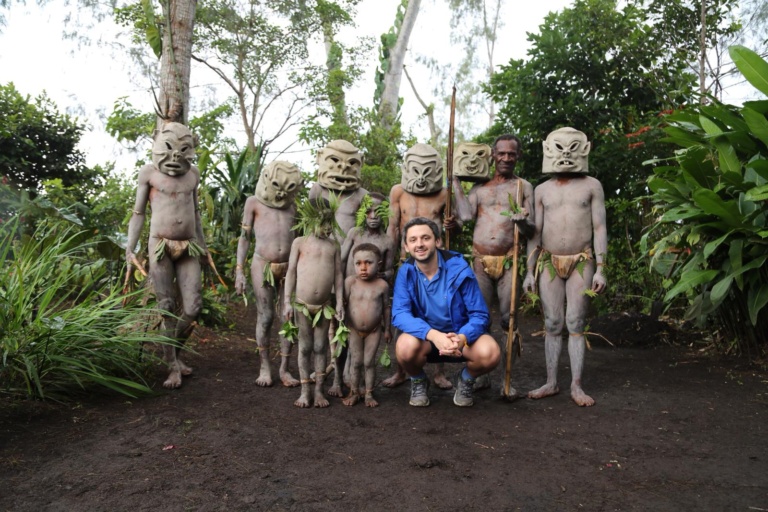
Nestled in the heart of Papua New Guinea’s mainland, the Eastern Highlands Province offers breathtaking views of mist-covered mountains and lush valleys. This peaceful region is perfect for nature lovers and those seeking a serene escape from the bustle of city life. The Asaro Mudmen, a famous local cultural group, offer a fascinating glimpse into the province’s traditions. With its cool climate, coffee plantations, and tranquil walking trails, the Eastern Highlands is a refreshing retreat where you can connect with nature and local culture. Visit the township of Goroka and its nearby main attractions: the Asaro Mudmen Cultural Centre, JK McCarthy Museum, Raun Raun Theatre, and the annual Goroka Show – PNG’s oldest cultural festival showcase.
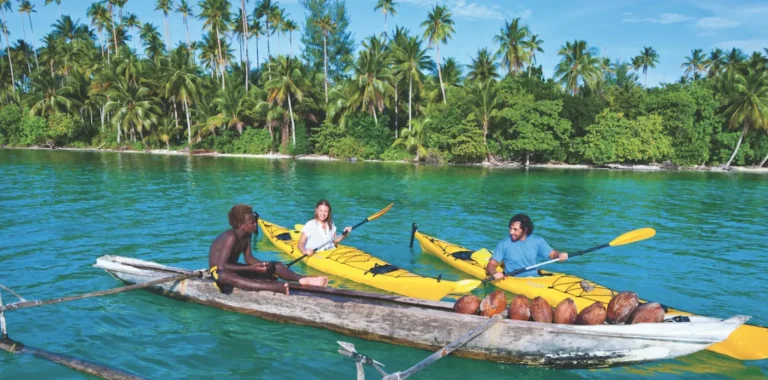
Located to the northeast of Papua New Guinea, in the New Guinea Islands Region, New Ireland Province is a tropical haven with white sandy beaches, turquoise waters, and friendly locals. Kavieng, the capital, is the starting point for numerous adventures like diving, snorkeling, and exploring hidden coves. The province’s laid-back vibe and serene coastal beauty make it a perfect destination for relaxation. New Ireland is also known for its vibrant Malagan ceremonies, which add a cultural element to your peaceful getaway. Whether you are lounging on the beach or wandering through local villages, New Ireland offers tranquility at every turn. Our recommended places to visit include: the Turtle Sanctuary at Lissenung, Nusa Island Retreat, the Tsoilik Islands Guesthouse, Clems Place – all located within the Lavongai and Kavieng Urban LLGs. While along the Boluminski Highway, be sure to stop by these beautiful sites: Laraibina Eel Farm, Fissoa Blue Water Hole – then into Namatanai for some amazing surfing at Rubio Plantation Retreat.
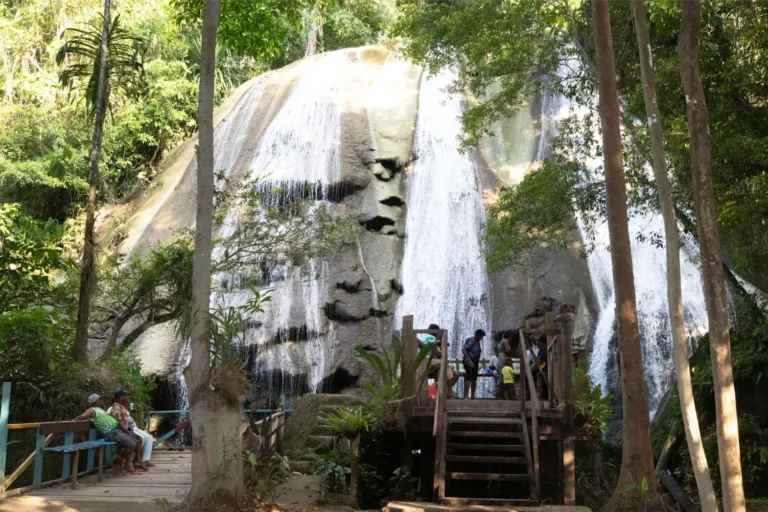
Vanimo, the capital of Sandaun Province, is a coastal town known for its untouched beauty and calm atmosphere. It’s a surfer’s paradise with some of the best, uncrowded waves in the region, but beyond the surf, Vanimo offers quiet stretches of beach for those simply looking to unwind. The laid-back lifestyle, coupled with spectacular ocean views and the sound of gentle waves, provides the perfect setting for relaxation. Whether you’re surfing or strolling along the beach at sunset, Vanimo’s peaceful environment is unmatched. While in Vanimo, visit the nearby township attractions like the: Lido Surfing Village, Awawi Falls, and Sandflies Beach. Vanimo, is also the only place in Papua New Guinea – apart from the capital city, Port Moresby, in which Pope Francis visited. Visitors may follow his papal journey in Vanimo, visiting places like the Holy Cross Cathedral and meeting some of the local diocese members.
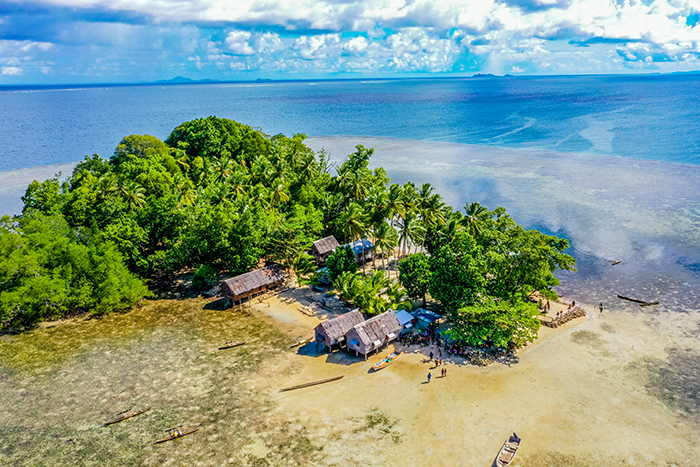
Manus Province, one of the least populated regions in Papua New Guinea, is a gem of solitude. The main island, Manus Island, is surrounded by crystal-clear waters teeming with marine life, making it an ideal place for: expeditionary cruising, scuba diving and fishing. You’ll find yourself immersed in nature, with pristine beaches and a peaceful atmosphere that makes you feel like you’re on your own private island. For those looking to disconnect and escape the world, Manus is the perfect destination. There are many incredible places to visit on Manus, take in the attractions of Lorengau township and the surrounding Seeadler Bay, go on an island-hopping adventure visiting the Mendrelin island sanctuary in the Pitilu group of islands – stay at the renovated Lorengau Harbourside Hotel. How about a visit to the south islands? Visit Nyapio, Peli and the ‘wind nation’ people of the M’Buke Islands.
The Autonomous Region of Bougainville is a land of rugged beauty, where lush rainforests meet untouched beaches. Its tranquility is enhanced by the region’s strong community spirit and deep cultural roots. Bougainville is perfect for travelers seeking adventure with a side of peace. Whether you’re trekking through the mountainous terrain or snorkeling in crystal-clear waters, the region offers a balance of natural beauty and quiet seclusion. The peaceful surroundings make it ideal for reflecting, relaxing, and reconnecting with nature. What wonders this region holds, from an incredible war history – World War II and the tumultuous civil war that erupted in 1988 – there are many war relics and sites of great interest, particularly the Kieta War Memorial, General Yamamoto Crash Site in Buin, and the controversial Panguna Mine. The natural sites are also quite spectacular – try bird watching in South Bougainville, or relax on one of the stunning islands like the popular Uruna Bay Retreat at Pokpok Island. Cultural experiences are many – plan your visit around these annual festivals: Tama Festival, Mona Festival and the Chocolate Festival.
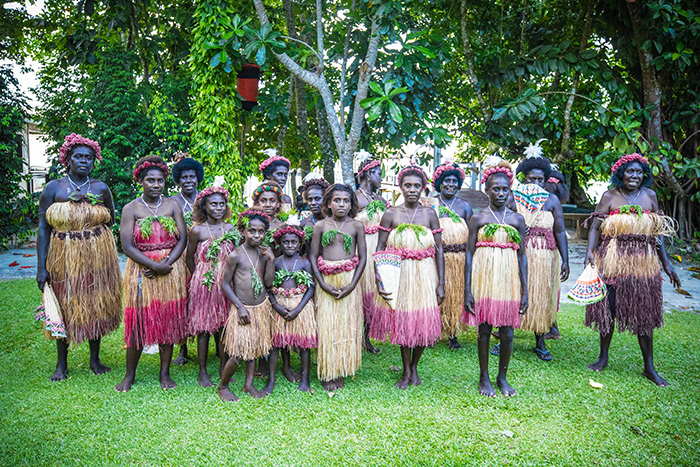
Papua New Guinea’s peaceful destinations offer a unique blend of stunning landscapes, rich culture, and serene atmospheres. Whether you’re seeking a coastal retreat, a mountain hideaway, or a cultural experience, these five destination —Eastern Highlands, New Ireland, Vanimo, Manus, and Bougainville—provide the perfect escape into tranquility.◼️
Help share our story:
Thank you for submitting your registration for the PNG Tourism Sector Legislation Review!
Spaces are limited per consultation, so only registered participants will be contacted.
Kind regards,
The Papua New Guinea Tourism Promotion Authority

Thank you for submitting your business form. We will have our team look over the details and then contact you once we have added your details to our website.