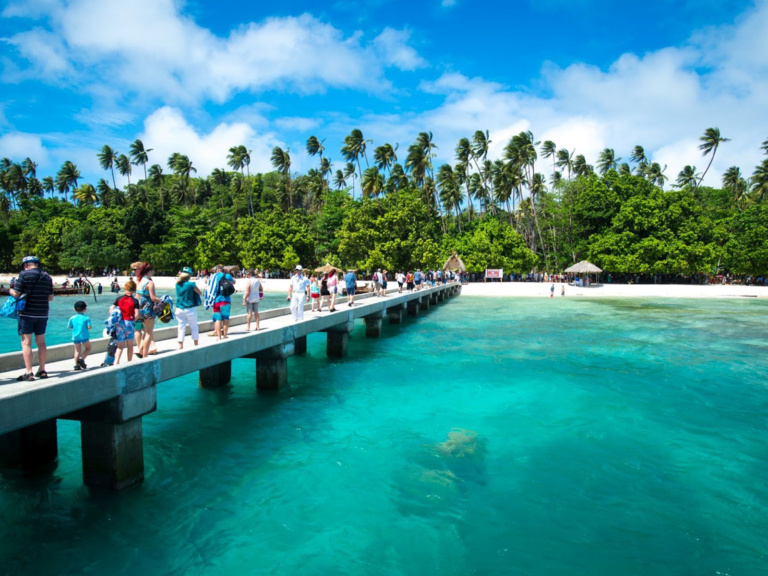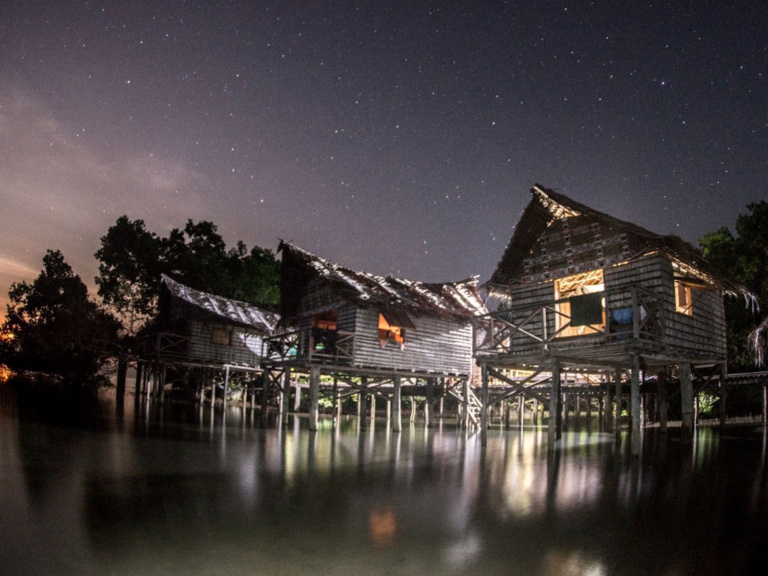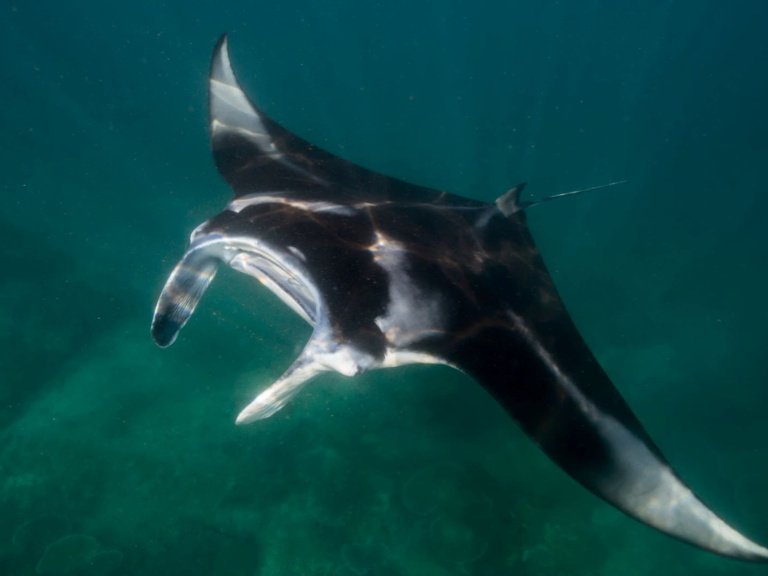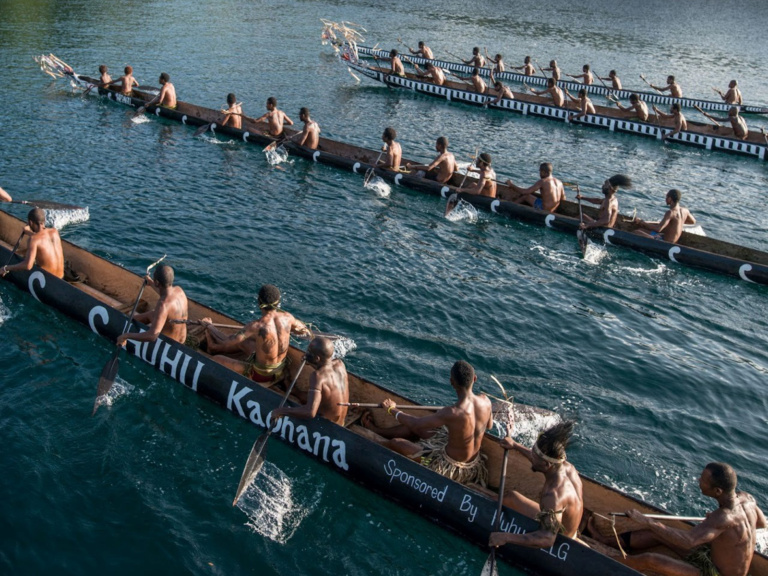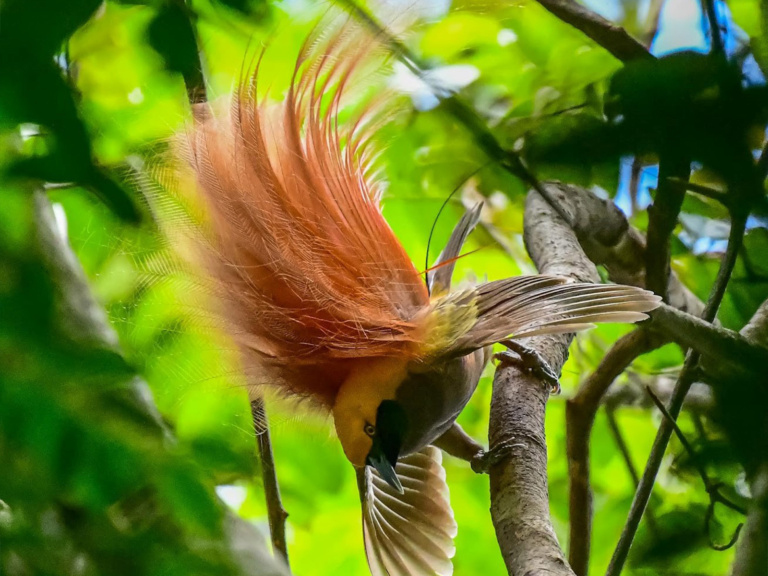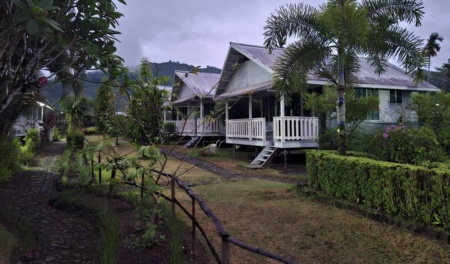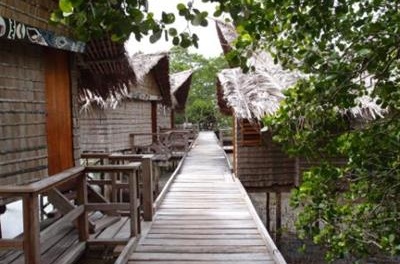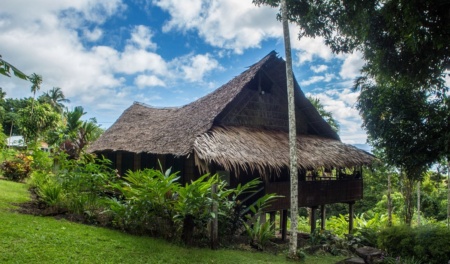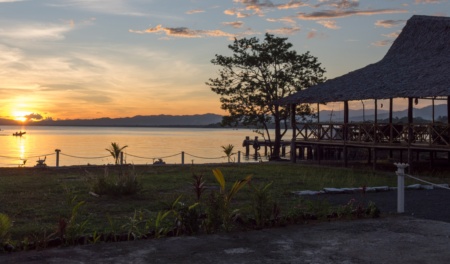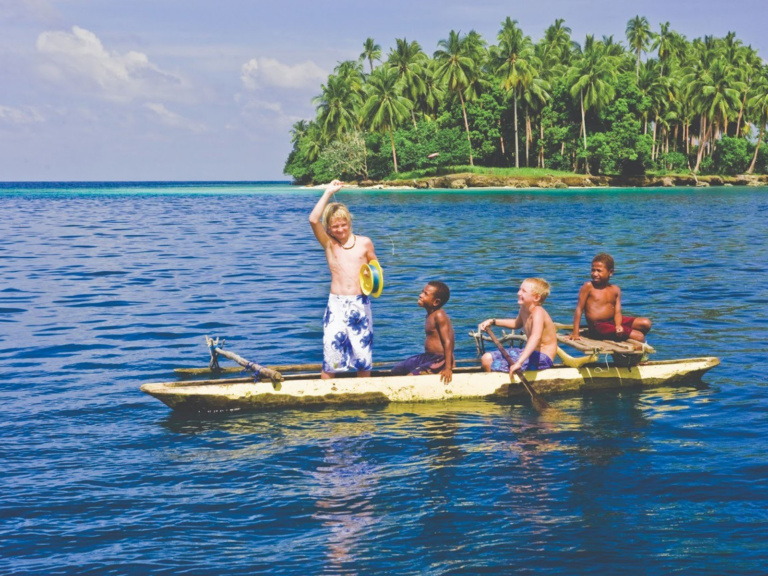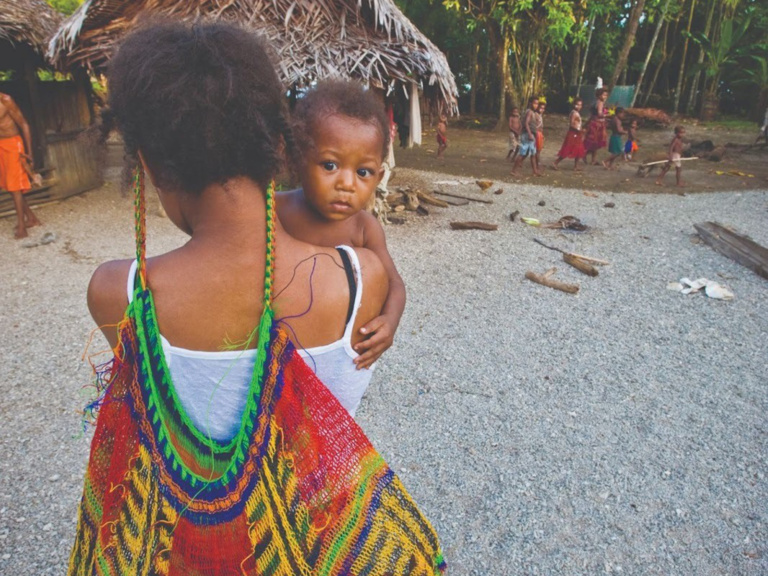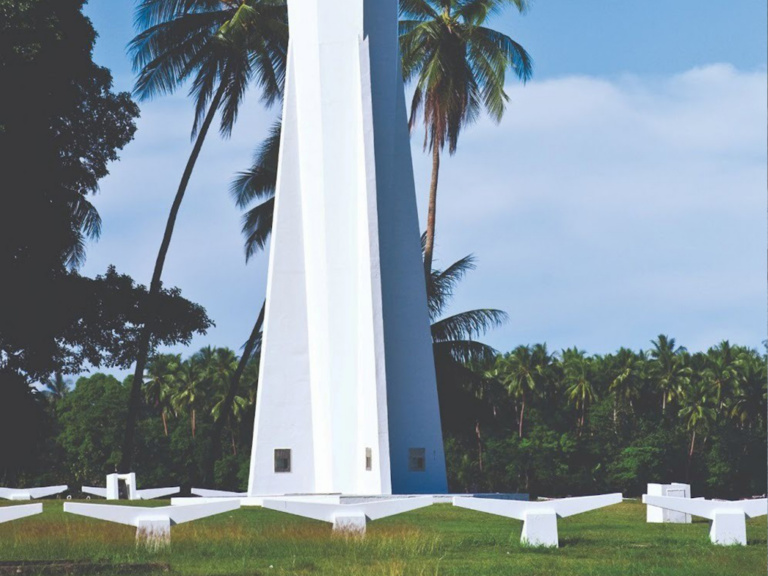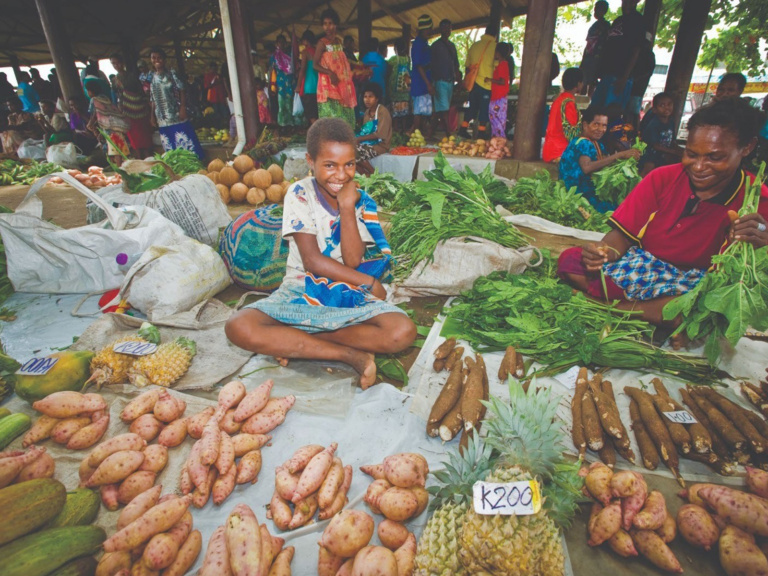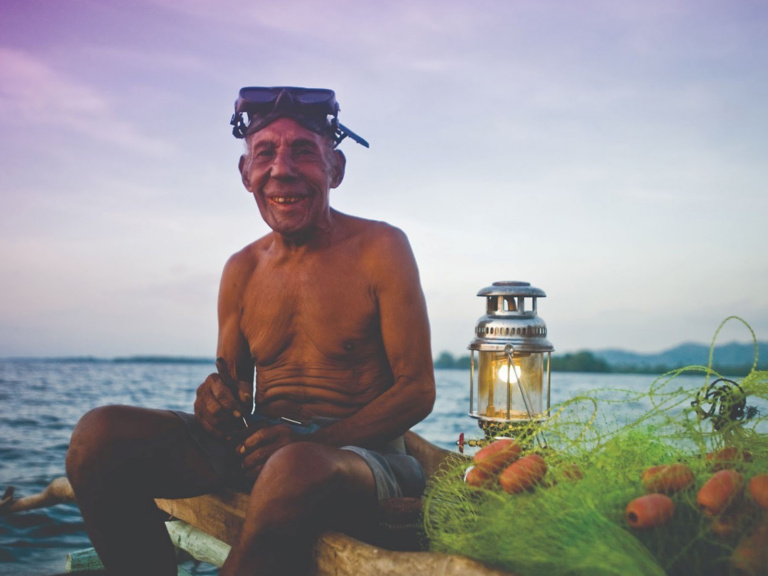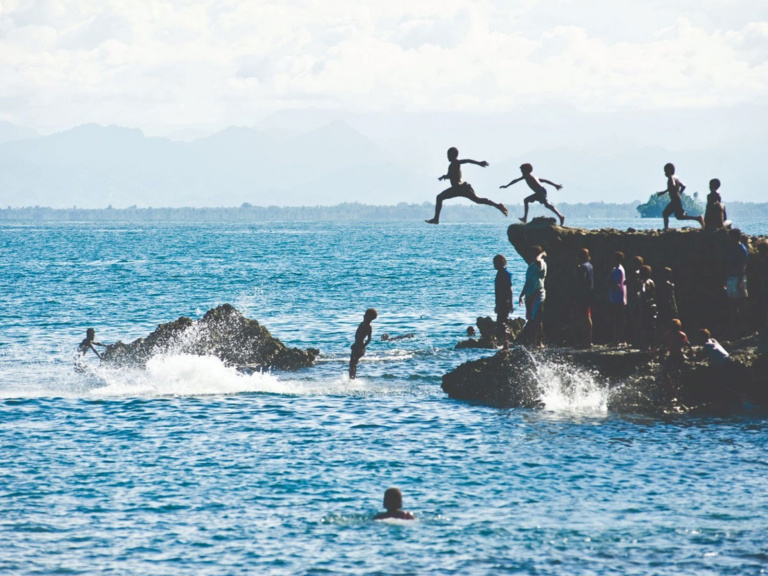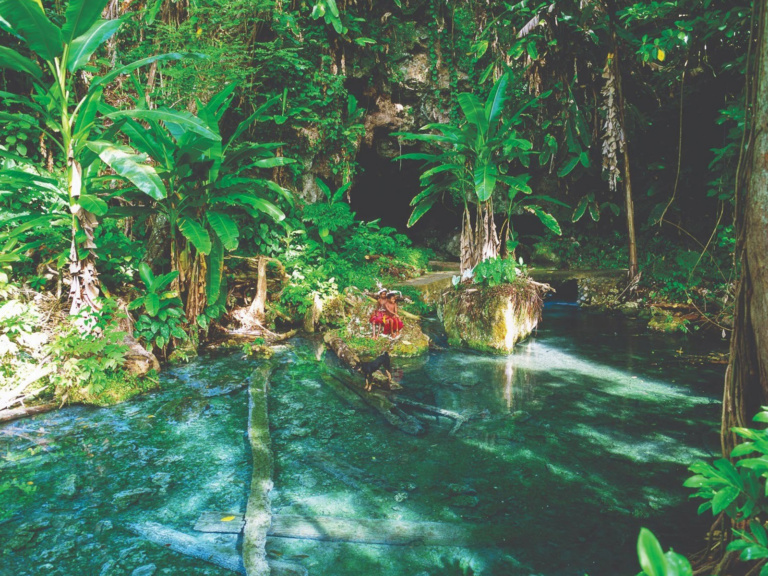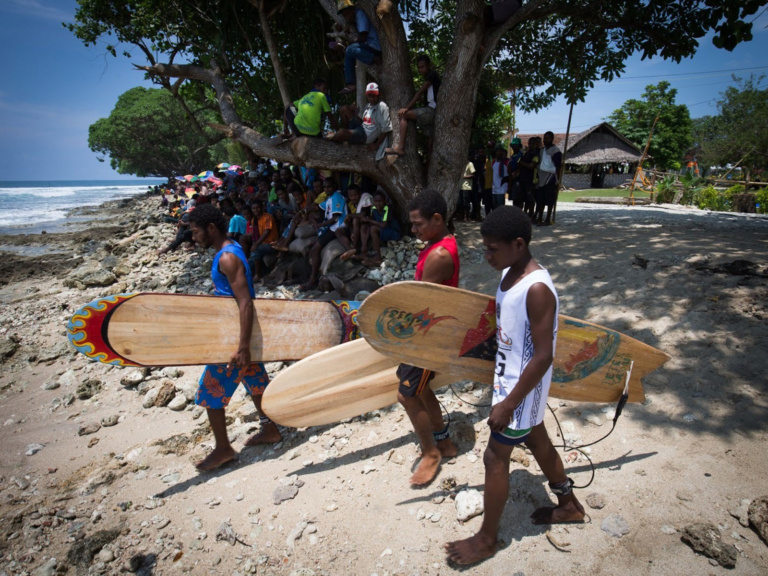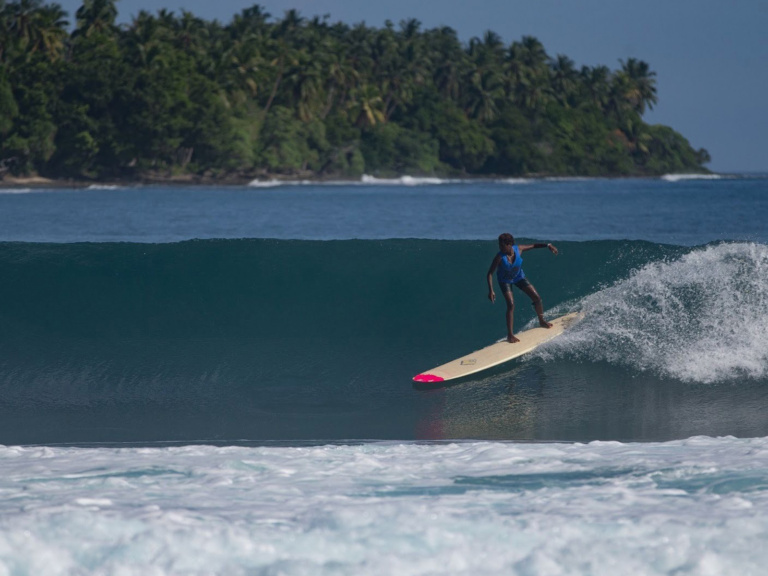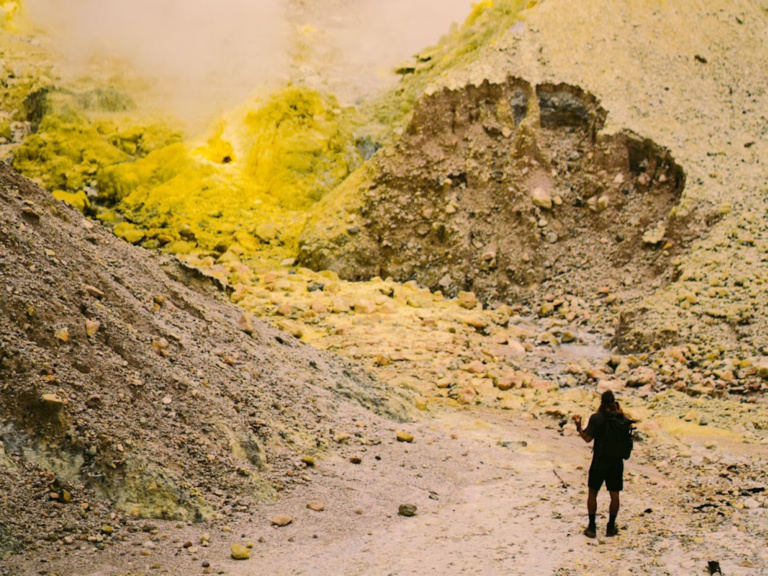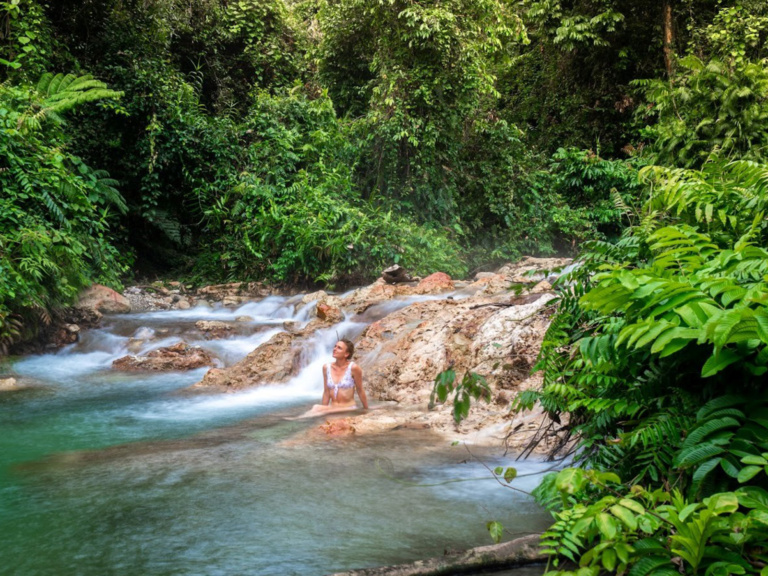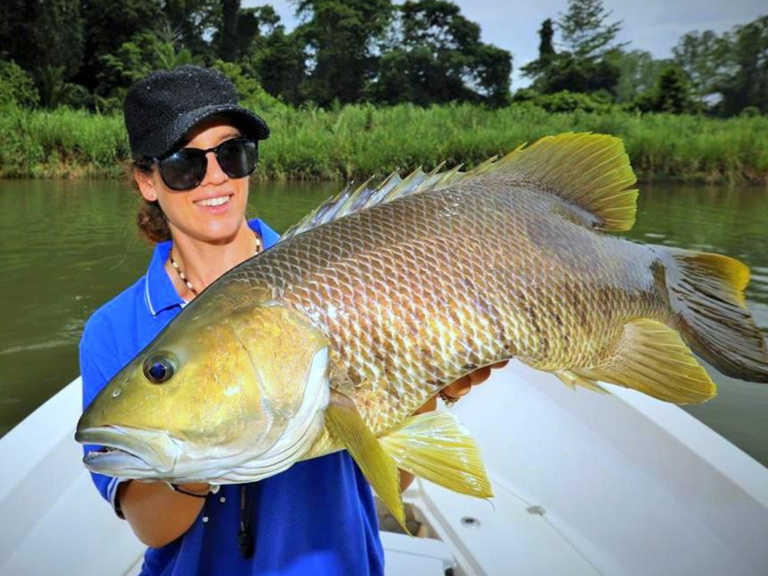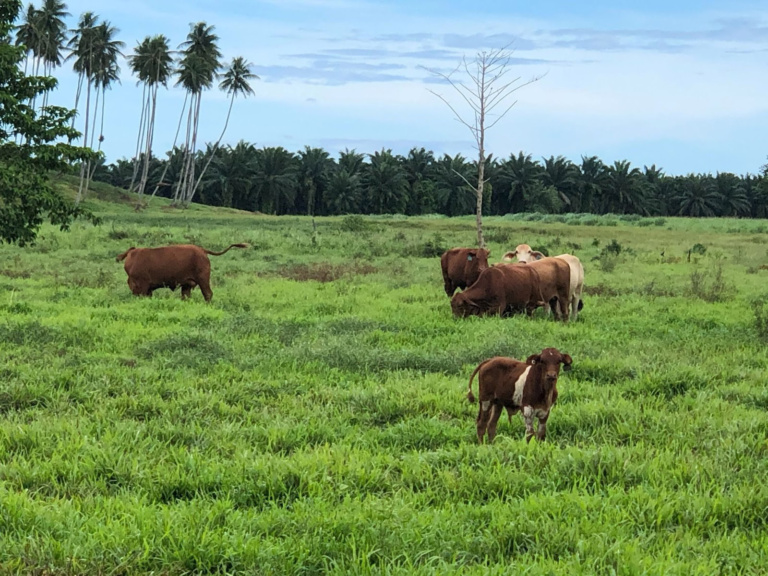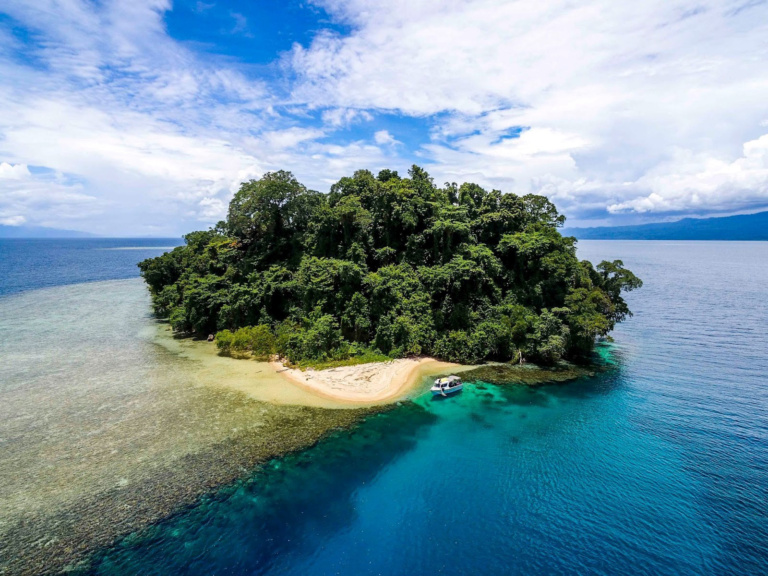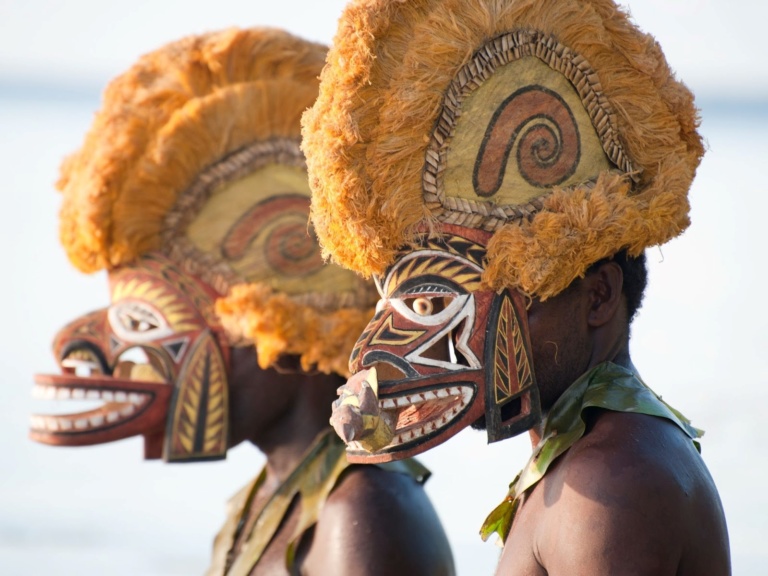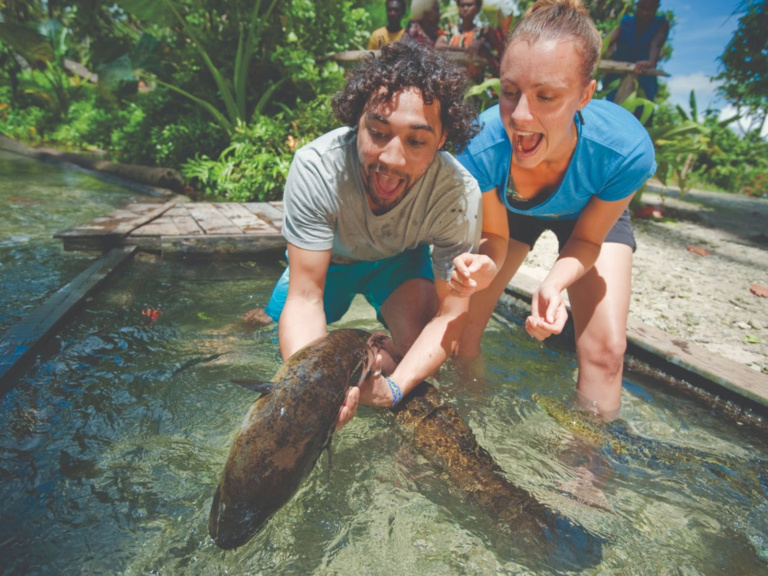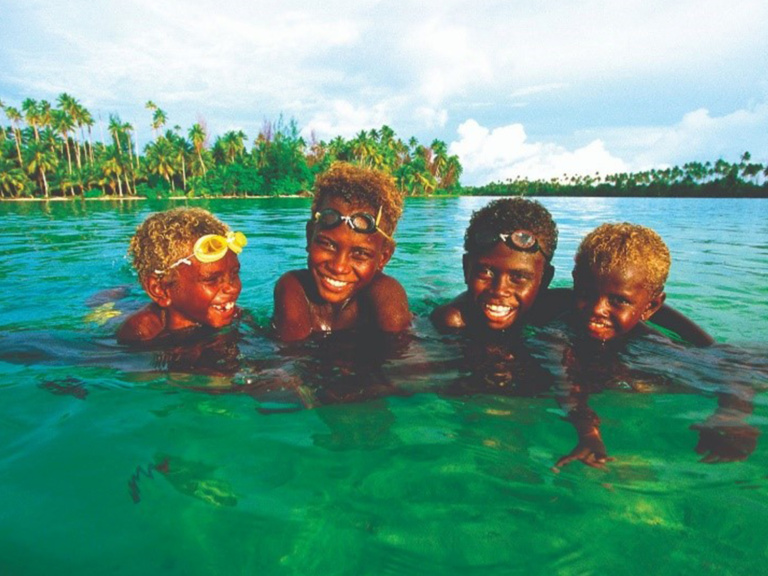
Central Province envelops our National Capital District, making its many attractions and adventures the most accessible in the country. Hear the Birds-of-Paradise chatter in the Varirata National Park canopies, witness the sprawling plains rise into mountain ridges and plateaus, float in crystal-clear rivers off the beaten track, and explore the many beaches and islands with a local guide.
International flights arrive directly into the Port Moresby International Airport from a number of transit hubs in the Asia-Pacific region. From the airport, three main highways will take you out of the National Capital District and into Central Province: travel west on the Hiritano Highway, east on the Magi Highway and north on Sogeri Road.


If you’re looking for a place near the sea to go off the grid, this is it. The beaches in town are effortlessly superb, and offshore, Narimo Island is a great picnic spot. You can hire a boat for the day from West Deco village near the main wharf. Pack your picnic lunch and plenty water beforehand.
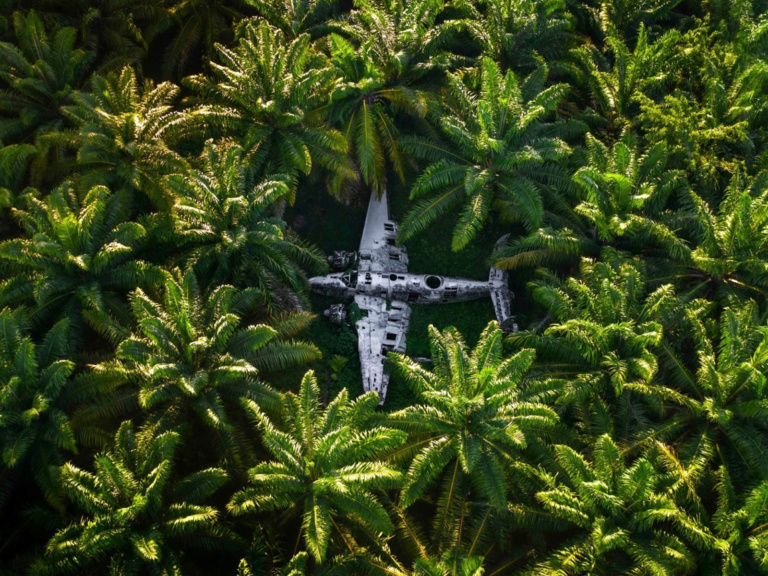
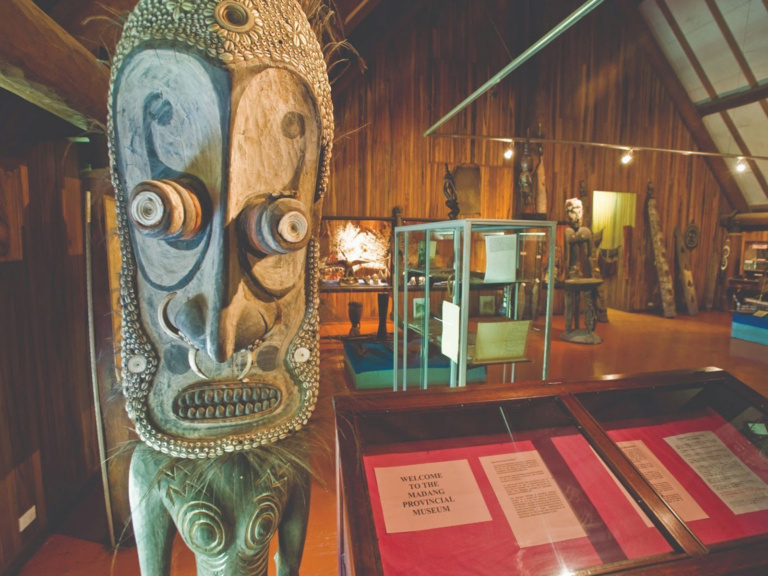
The distinctive artefacts from Sandaun include painted canoes of Sissano Lagoon and large shields from the Telefomin district. The shields have broad zigzag, spiral or V designs that represent their ancestors’ bodies.
Domestic flights arrive from Port Moresby via Wewak. From the airport, your hotel will collect you in a shuttle.
Cross the international border from Irian Jaya on foot then take a PMV into Vanimo. You will need your passport and a visa to process through immigration before you enter Papua New Guinea.
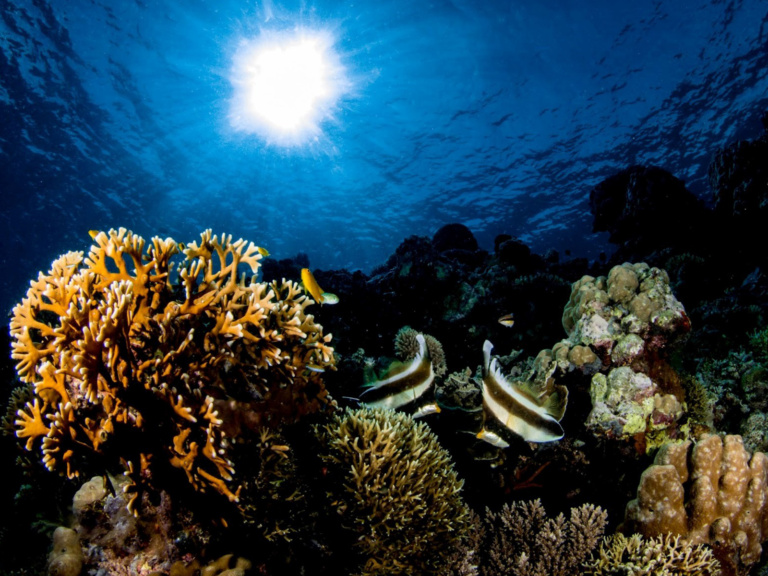
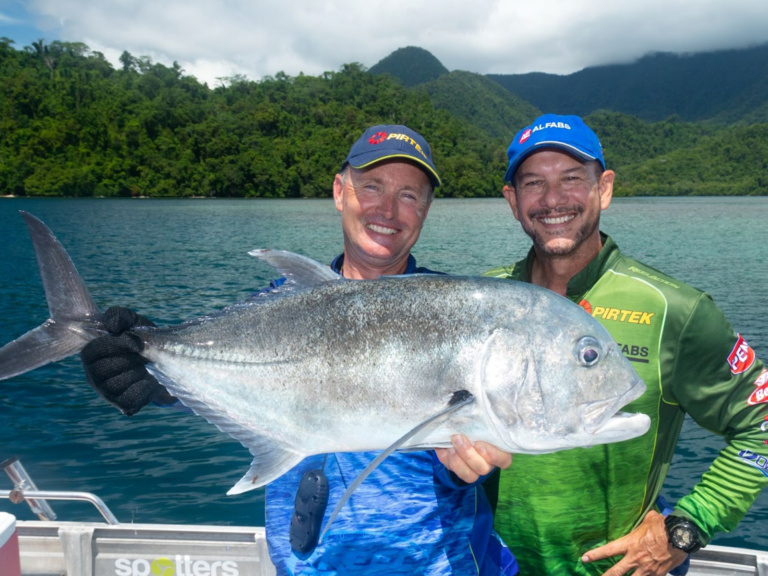


You’ll be surprised by Papua New Guinea’s second-largest city, Lae. Enjoy modern conveniences and comfort, right on nature’s doorstep. Explore the markets, war history, water activities, islands, caves, forest habitat, and much more in this coastal city and its surrounds.
Domestic flights arrive directly into the Lae airport from Port Moresby daily. From the Highlands region, hire a car and drive 300km down the Okuk Highway; the highway journey takes 5-6 hours.


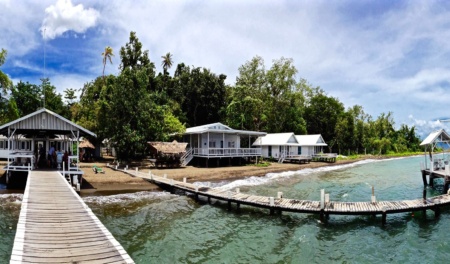
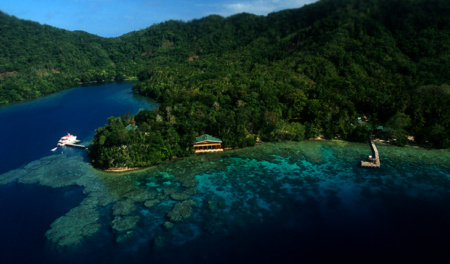
Madang Province, located on Papua New Guinea’s picturesque north coast, is known for its palm-lined waterfronts, offshore volcanic islands, and colourful blend of culture and natural beauty. Often called the “prettiest town in the South Pacific,” Madang’s relaxed coastal lifestyle, coral-rich waters, and laid-back town centre make it a popular destination for nature lovers and cultural explorers alike.
With island-hopping adventures, rainforest trails, WWII relics, and thriving dive sites, Madang offers visitors a balance of relaxation and discovery. Its vibrant markets, tropical gardens, and peaceful harbour give travellers an easy starting point for exploring the broader region.
To experience a snapshot of what makes this province so special, the Madang Poro Tour offers a great introduction, combining cultural visits, rainforest walks, and island cruising in a single itinerary.
Madang Province covers approximately 28,000 km² on the north coast of mainland Papua New Guinea and is home to more than 500,000 people. Its diverse geography includes everything from coastal plains and volcanic islands to rainforest-covered mountains and inland river systems.
Madang town sits on a picturesque peninsula surrounded by coral-rich waters, while nearby areas like Kranket, Bogia, Bundi, and Karkar Island each offer their own unique character. Offshore islands and barrier reefs make the province ideal for diving and snorkelling, while the fertile inland valleys and foothills support agriculture and eco-tourism.
The province’s natural beauty and geographic variety make it a standout destination for travellers interested in both culture and nature.
For seamless planning, book with trusted local operators like Melanesian Tourist Services.
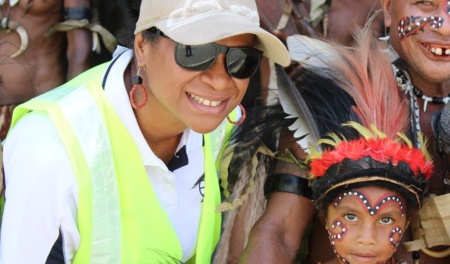
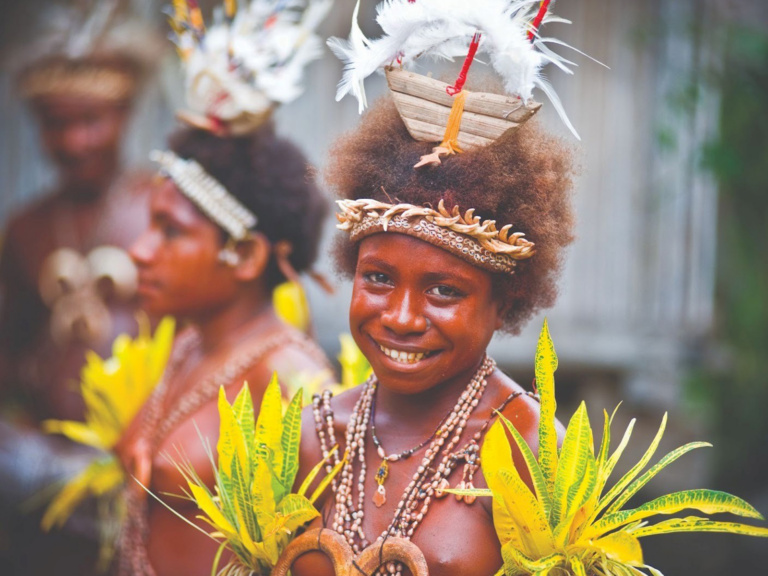
Madang culture is deeply expressive, with strong traditions in dance, music, storytelling, and craft. In many villages, visitors are welcomed with performances featuring rhythmic drumming, vibrant bilas (traditional dress), and chants passed down through generations.
The province also hosts several unique festivals that showcase its cultural diversity:
These events offer ideal reasons to time your visit during the festival season, with many tours available for cultural travellers.
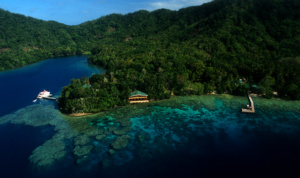
Madang Province is one of Papua New Guinea’s most biologically diverse regions, both above and below the surface. Along the coast, colourful coral reefs, deep blue holes, and mangrove estuaries create habitats for reef sharks, turtles, parrotfish, and hundreds of tropical species. Inland, the rainforests and rivers support orchids, birds-of-paradise, and unique highland fauna.
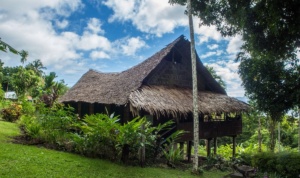
Birdwatching tours, reef dives, and village-based eco-adventures offer a chance to experience this natural richness up close. For travellers seeking a sustainable way to explore the area, Pero Pero Mangul Eco Guest Haus provides local-style accommodation near pristine reef and forest areas.
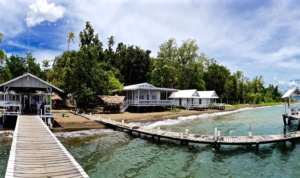
Madang offers a mix of resorts, lodges, and waterfront stays with easy access to activities and town highlights.
Places to stay:
Dining experiences:
Each spot offers something unique, whether you’re after beachside views, cultural ambiance, or local hospitality.
Madang is easily reached by daily flights from Port Moresby to Madang Airport. The airport is located approximately 12 kilometres from the town centre, with most hotels offering transfer services for convenience.
Within the province, local PMVs (public motor vehicles) connect major settlements, while boat charters are commonly used to reach outer islands and remote coastal villages. For cultural tours or multi-day trips, tour operators based in Madang can help coordinate transport and logistics.
The dry season from May to October is the best time to visit Madang, offering ideal conditions for diving, snorkelling, and surfing. Water visibility is at its peak, and travel to inland areas is more accessible.
The rainy season between November and April brings lush greenery but also heavier rainfall, especially in the hinterland. For the most rewarding trip, consider timing your visit around cultural festivals or during peak marine visibility.
For a close-up look at Madang’s eco and cultural tourism experiences, the Madang–Poro Tour is the way to go. This itinerary includes village visits, nature walks, coastal views, and traditional encounters. It’s a hands-on way to experience daily life, hospitality, and the natural beauty of the region.
Madang offers a relaxed coastal lifestyle, vibrant markets, and some of PNG’s best diving and cultural experiences. Whether you’re looking for adventure, relaxation, or a mix of both, it’s easy to shape a trip that suits your style.
Start planning by exploring tours and itineraries, where to stay, and upcoming events. Local operators are ready to help bring your Madang journey to life. Need more info? Get in touch with our friendly team via phone, contact form or email.


Immerse yourself in the timeless history of the Sepik people and our exotic folklore of this fascinating area. Enjoy Wewak’s palm-fringed beaches and dreamy sunsets. Feast on the giant river prawns available at Talio Lodge or the crocodile curry from the Boutique Hotel. Take a boat to Kairuru Island and enjoy the waterfalls snorkelling and natural hot springs. Top off your stay in East Sepik with a day trip or overnight expedition on the mighty Sepik River where you will see a strong influence of the crocodile in everyday life.
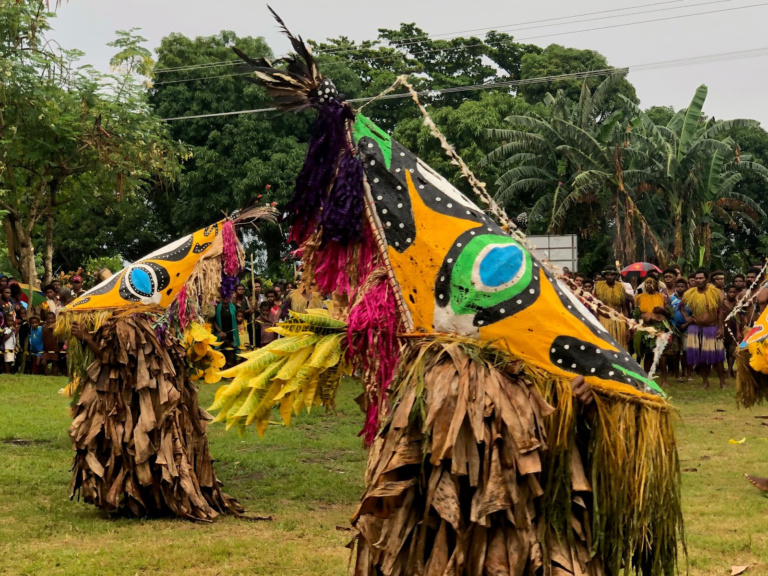
Domestic flights arrive in Wewak from Port Moresby daily. With 32 airstrips, much of East Sepik is accessible by air. Wewak also boasts a pier for overseas and costal shipping. An unsealed national highway connects Wewak to Vanimo along the west coast.


West New Britain is a volcanic and coastal province on the northern edge of Papua New Guinea’s New Britain island. Known for its dramatic landscapes, rich biodiversity, and thriving marine life, the region is a top destination for adventure seekers and nature lovers. Visitors can explore active volcanoes, snorkel in world-class coral reefs, go wild river fishing and experience traditional PNG culture in friendly rural communities.
Whether you’re hiking to steaming crater rims, diving with barracuda in Kimbe Bay, or soaking in natural hot springs, West New Britain offers some of the country’s most memorable travel experiences, all with fewer crowds and untouched surroundings.
West New Britain Province lies on the north coast of New Britain island, bordered by East New Britain to the east and separated from mainland Papua New Guinea by the Bismarck Sea. The provincial capital, Kimbe, sits along the coast and serves as the main hub for travel, commerce, and accommodation.
The province is shaped by volcanic activity, with several active volcanoes including Mount Ulawun, one of PNG’s most prominent peaks. Dense rainforests, coral-rich coastlines, and geothermal features define the landscape, offering a mix of natural environments across the island.
West New Britain is home to approximately 356,343 people (based on the 2021 National Population Estimate). The population is spread across coastal towns, inland villages, and remote islands.
The province is linguistically diverse, with over 25 languages spoken across its districts. Tok Pisin and English are widely used, especially in urban centres like Kimbe, while local languages such as Kove, Bola, and Nakanai are spoken within individual communities. This rich cultural and linguistic diversity reflects the broader complexity of Papua New Guinea’s identity.
Interested in learning more about the languages?
West New Britain offers a mix of volcanic adventures, diving hotspots, and cultural heritage. Whether you’re after outdoor exploration or coastal relaxation, this province delivers unique experiences.
Top activities include
Kimbe is the commercial and administrative centre of West New Britain Province, located on the northern coast along the shores of Kimbe Bay. It’s the province’s main gateway for travellers and a practical base for exploring the region.
In Kimbe, you’ll find:
Nearby activities include:
Sportfishing and reef fishing – Target species include tuna, trevally, and barracuda, with guided tours available from local operators.
Getting to West New Britain is simple with daily flights from Port Moresby to Hoskins Airport, located just outside Kimbe. The airport services most travellers to the province and connects to domestic hubs across Papua New Guinea, including Lae and Rabaul.
From Hoskins, local transport options include:
The best time to visit West New Britain is during the dry season from May to October, when conditions are ideal for diving, trekking, bird watching and other outdoor adventures. These months also offer clearer visibility for underwater activities in Kimbe Bay and better road access for inland tours.
While not as frequent as in the Highlands, local festivals and community events occasionally take place around Independence Day in September, offering insight into local customs and community spirit.
Ready to experience the natural beauty and culture of West New Britain?
Start planning your journey to West New Britain Papua New Guinea today!


New Ireland Province is a long, narrow island region in the far northeast of Papua New Guinea. Known for its untouched natural beauty, vibrant local culture, and rich marine life, it’s one of the country’s most captivating island destinations. With its palm-fringed beaches, forest-canopied estuaries, and welcoming communities, the province offers visitors a slower pace of life and plenty of adventure.
The capital, Kavieng, sits at the northern tip of the island and serves as the main hub for travellers – who can explore the length of the mainland along the scenic Boluminski Highway. Visitors can travel the depths from here, visitors can access pristine dive sites, world-class surf breaks, historical WWII sites, and traditional villages that celebrate the unique customs of the region.
New Ireland Province PNG is part of the Bismarck Archipelago, a group of islands, located to the northeast of mainland Papua New Guinea. The province stretches over 360 kilometres from north to south, forming a narrow, curved island bordered by the Bismarck Sea to the west and the Pacific Ocean to the east. It also includes numerous smaller islands such as the Tsoi, Tabar, Lihir, Tanga, and Feni groups.
The provincial capital is Kavieng, situated at the northern tip, while the southern end tapers off near Namatanai. The province is divided into two main districts: Kavieng District in the north and Namatanai District in the south, with many communities living along the coastlines.
As of the most recent census estimates, New Ireland is home to approximately 194,000 people, living across both the mainland and outer islands. Over 20 languages are spoken across New Ireland, with Tigak, Nalik, and Patpatar being among the most common. English, Tok Pisin, and local languages are widely used in daily communication.
Interested in learning more about the languages?
Kavieng, the capital of New Ireland Province, is the main entry point for travellers arriving by air or sea. Located at the northern tip of the island, Kavieng offers a laid-back, tropical atmosphere with a rich blend of colonial heritage and Melanesian culture.
The town features a range of accommodation options, from locally run guesthouses to lodges and off-shore waterfront resorts. Local markets and small shops provide fresh produce, seafood, and handcrafted goods, giving visitors a taste of the region’s daily life.
Coastal views, palm trees, and a relaxed pace make Kavieng a great base for exploring the province. It’s also a popular departure point for diving, fishing, surfing, and island-hopping tours. The town’s history as a former German outpost adds to its charm, with remnants of colonial architecture and war-era sites still visible today.
New Ireland Province offers a mix of marine adventure, cultural immersion, and historical exploration. Whether you’re a diver, surfer, or culture-seeker, there are plenty of experiences to enjoy:
New Ireland Province is the birthplace of Malagan culture, one of PNG’s most distinctive artistic and spiritual traditions. Malagan refers to an intricate system of carvings, masks, and ceremonial rites used to honour the dead and preserve ancestral identity.
These elaborate wooden carvings, featuring intricate designs and symbolic figures, are created by skilled local artisans and displayed during Malagan funerary ceremonies, which can take months or years to prepare. The ceremonies are not only a tribute to the deceased but also a vibrant celebration of life, storytelling, and community ties.
Beyond the mainland of New Ireland Province lies a network of remote island groups, each offering unique natural and cultural experiences. These include:
all accessible via boat or domestic flights from Kavieng.
With minimal tourist traffic, these islands offer true off-the-grid escapes and a deeper connection to PNG’s natural and cultural diversity. Ideal for adventurous travellers seeking peaceful, raw beauty and genuine local hospitality.
New Ireland Province is easily reached by daily flights from Port Moresby to Kavieng, serviced by Air Niugini and PNG Air. Travellers can also connect via Rabaul or other nearby islands, depending on their itinerary.
Once in Kavieng, local travel options include:
The best time to visit New Ireland is during the dry season from May to October, when conditions are ideal for snorkelling, diving, and cultural exploration. If you’re planning a surfing holiday, the surf season runs from November to April, with consistent swells along the northern coast near Kavieng.
Start planning your visit with our interactive map below, showcasing key attractions, activities, and places to stay across the province. Whether you’re interested in surfing, diving, exploring Malagan culture, or relaxing on remote island beaches, New Ireland offers a unique mix of adventure and tradition.
Browse accommodation options, connect with local tour providers, and prepare to discover the natural beauty and cultural depth of New Ireland Province, Papua New Guinea.


The Admiralty Islands and a scattering of low-lying, mostly uninhabited atolls, form the province of Manus, whose northern border touches the equator. Plan well for your Manusian adventure, as tourists are a rare sight here. You can spend a morning browsing the market in the main hub of Lorengau before negotiating your afternoon activities with a local guide.
Domestic flights arrive five times a week at the Momote Airport in Manus from Port Moresby. Arrange a shuttle service in advance or take a PMV bus to Lorengau town. From the airport it’s a 30-minute drive west.


Be sure to enlist a guide to help you discover all the hidden charms of the Gazelle Peninsular. Take a tour of the war relics, barge tunnels and caverns on the road from Kokopo to Rabaul. Or visit the Duke of York Islands, 45 minutes from Kokopo by boat, where you can scuba dive, snorkel and picnic under the coconut trees overlooking aquamarine waters.
Domestic flights arrive at Tokua Airport from Port Moresby daily. It’s a 10-minute drive to Kokopo. Cruise ships also dock here regularly.


The Autonomous Region of Bougainville sits in the easternmost part of Papua New Guinea, made up of Bougainville Island, Buka Island, and dozens of smaller islands and atolls. Known for its volcanic peaks, rainforest-covered ranges, coral reefs, and strong cultural identity, the region offers a mix of nature, history, and community-hosted travel experiences.
Bougainville’s history runs deep, shaped by ancient traditions, matrilineal customs, and the events of World War II. Many communities continue to share their stories through local projects, village visits, and cultural performances that give travellers genuine insight into daily life across the islands.
Buka serves as the main entry point for visitors, acting as the region’s transport hub with accommodation, markets, and access to nearby islands. From here, travellers can continue south across the Buka Passage to Bougainville Island, where coastal villages, diving spots, mountain landscapes, and historic sites wait to be explored.
Whether you’re drawn to reef-fringed coastlines, meaningful cultural experiences, or off-the-beaten-path adventure, Bougainville offers a welcoming and varied journey through one of PNG’s most distinctive island regions.
Bougainville sits between the Solomon Sea and the Pacific Ocean at the eastern edge of Papua New Guinea. It forms part of the wider Solomon Islands archipelago, giving the region a distinctive cultural and environmental character.
Bougainville holds autonomous status within Papua New Guinea.
Buka is the main entry point for travellers visiting the Region of Bougainville. The town sits on the northern island beside the Buka Passage, a key channel linking Buka Island and Bougainville Island.
Buka Airport
Domestic flights arrive in Buka from Port Moresby three times a week. Flights are scheduled for Tuesday, Thursday and Saturday, with the aircraft returning the same days.
The Buka Passage
The Buka Passage is central to daily life.
Bougainville offers a rare mix of island landscapes, cultural experiences and community-led travel. Whether you’re interested in coastal stays, diving, trekking or village visits, planning your route early will help you make the most of your time in the region.
Use our regional map below to explore key destinations across Bougainville and start shaping your itinerary.
If you’d like help understanding what’s possible or need guidance on planning your trip, contact PNG Travel for advice and up-to-date travel information or visit ABG’s official tourism website for more.


Thank you for submitting your registration for the PNG Tourism Sector Legislation Review!
Spaces are limited per consultation, so only registered participants will be contacted.
Kind regards,
The Papua New Guinea Tourism Promotion Authority

Thank you for submitting your business form. We will have our team look over the details and then contact you once we have added your details to our website.