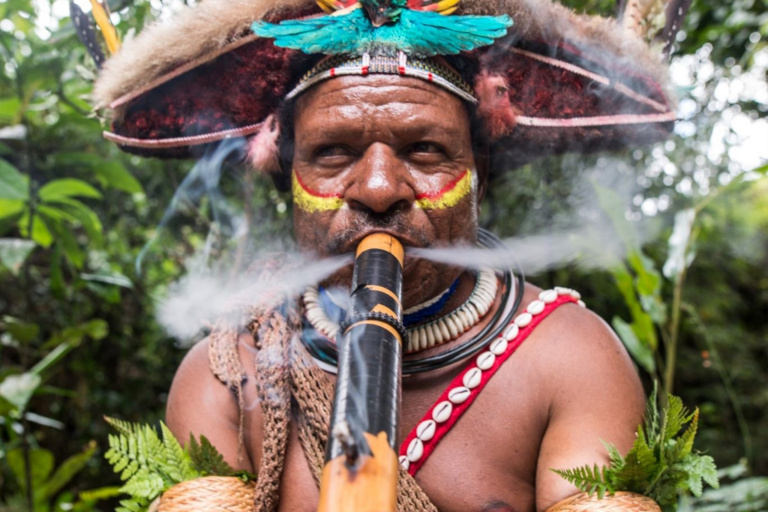
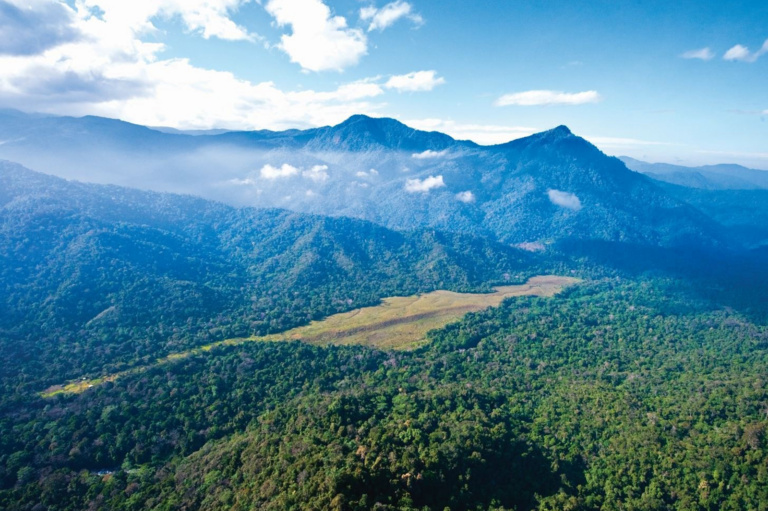
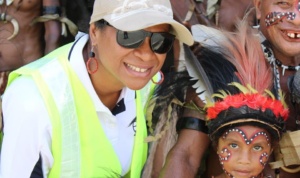
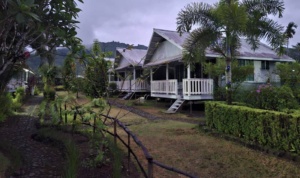
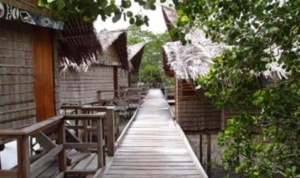
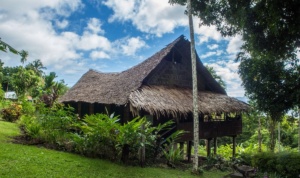
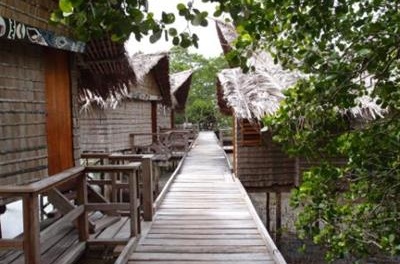
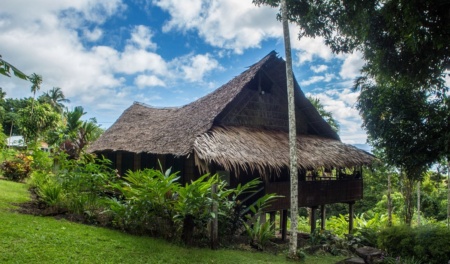
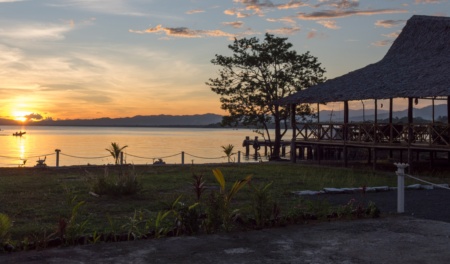
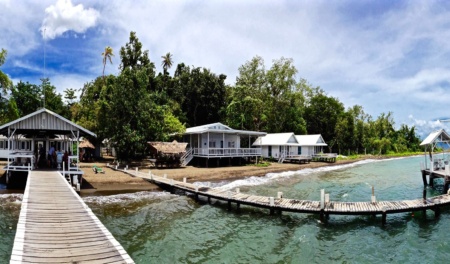
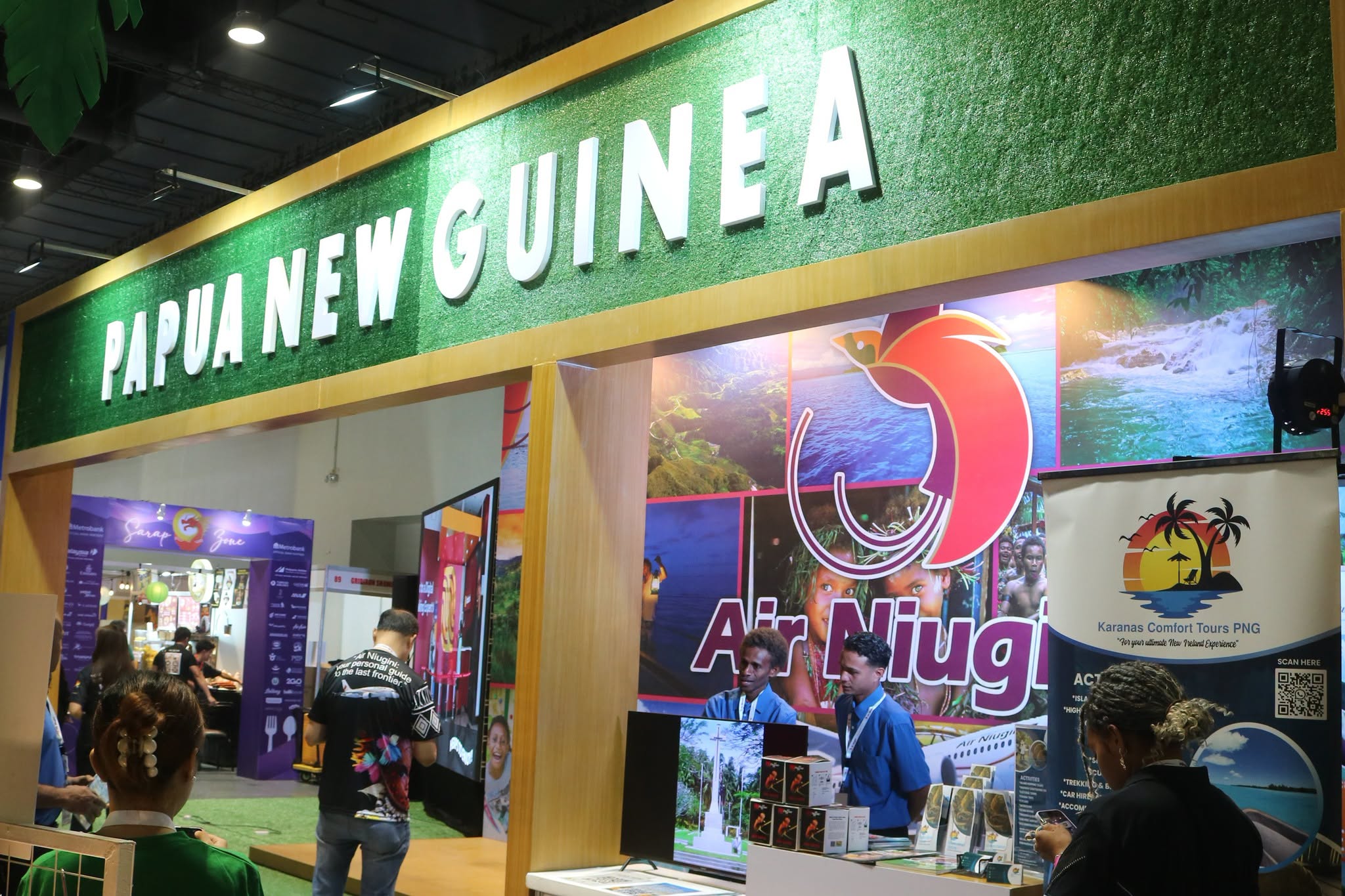
If you’re starting to think about your next big adventure, Papua New Guinea should be high on the list for 2026. Just a short flight from Australia, PNG offers something rare, a destination that still feels deeply untouched, welcoming, and full of culture, colour and natural wonder.
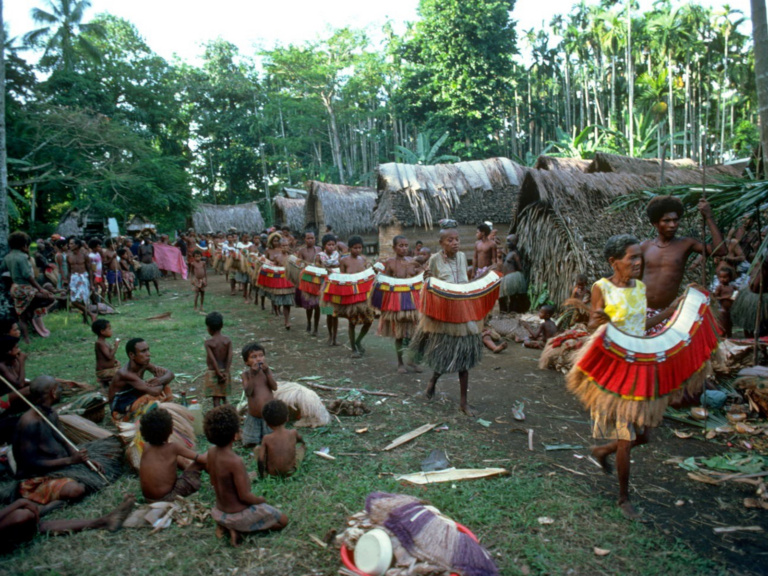
This is a country where every region tells a different story. Ancient traditions are still lived every day, landscapes range from active volcanoes to coral reefs, and friendly communities are eager to share their way of life.
Planning a 2026 trip also means you can take advantage of the current Hello Poro campaign, with tourism packages that make planning feel simpler while giving you more out of the experience.
Need some inspiration? Start with our Top 10 Tourist Attractions in Papua New Guinea and let the ideas start flowing.
Papua New Guinea’s tropical climate means warm weather year-round, but the seasons make a difference when planning your trip.
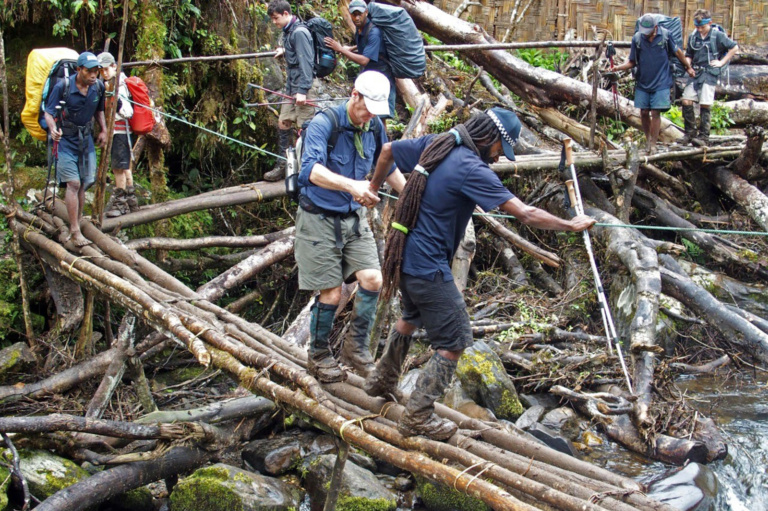
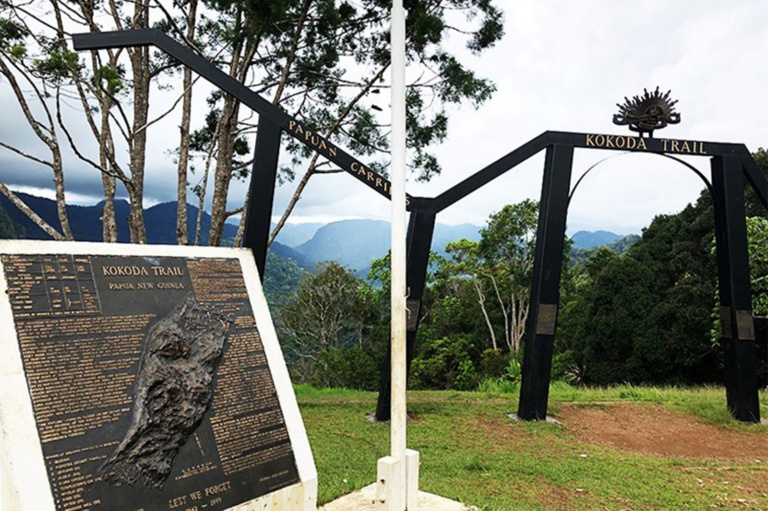
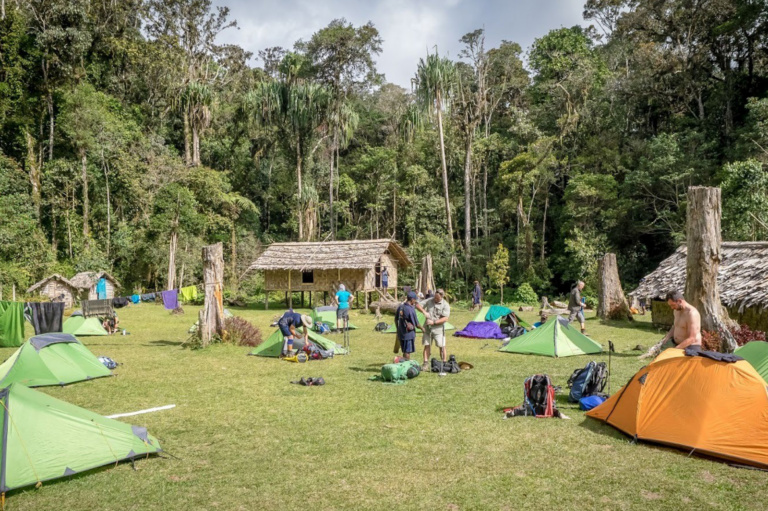
The dry season (May to October) is the most popular time to visit. Conditions are ideal for trekking, diving, and attending cultural festivals. It’s also the best time for exploring highland regions or walking the Kokoda Track, especially around ANZAC Day in April, when many Australians make the pilgrimage.
The wet season (November to April) brings heavier rainfall, but also lush green landscapes and fewer crowds. Travel can be more challenging, especially in remote areas, but this is when the rainforest is at its most vibrant.
Planning tip: Check what’s happening around the country before locking in your dates. Some festivals, diving conditions, and hiking trails are seasonal, our activities overview is a great place to explore what’s possible and our events page to find out whats on.
Papua New Guinea offers something for every kind of traveller. Whether you’re chasing culture, nature, or ocean escapes, here’s how to shape your 2026 trip:
Culture Lovers
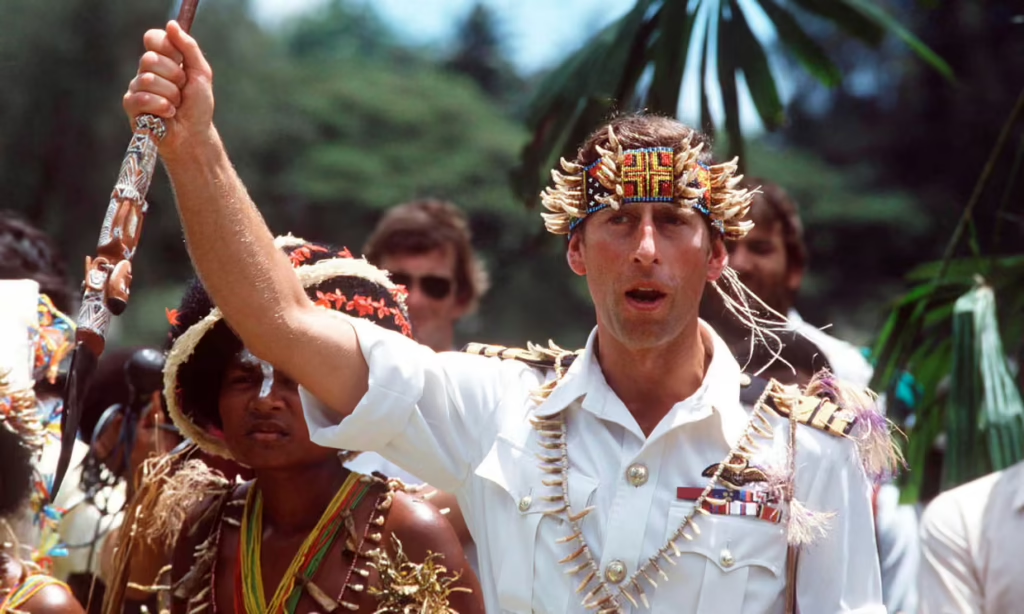
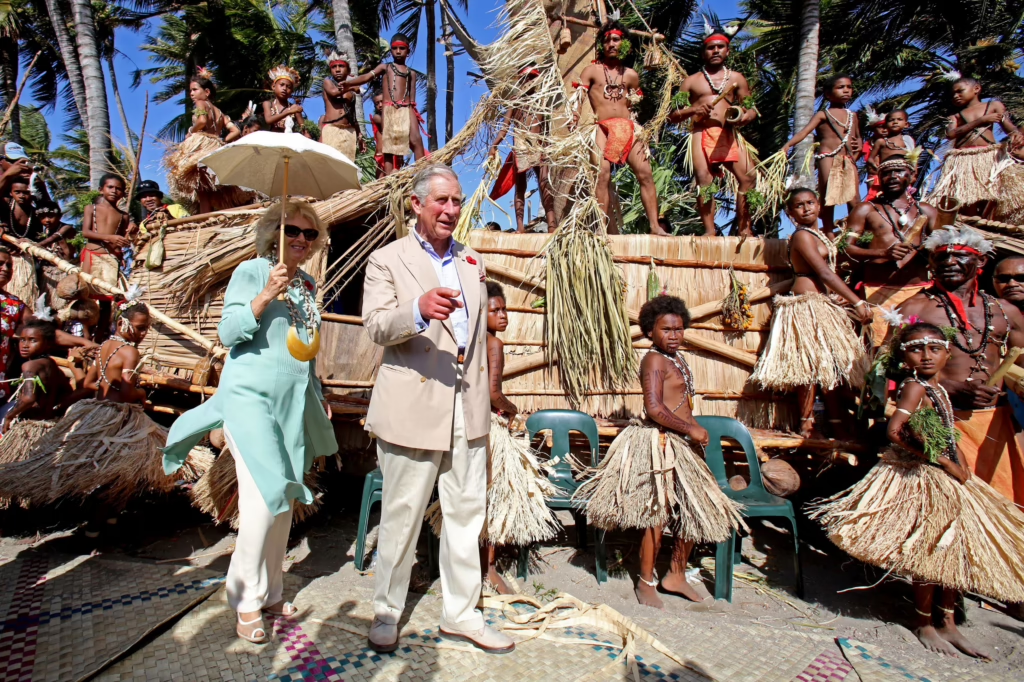
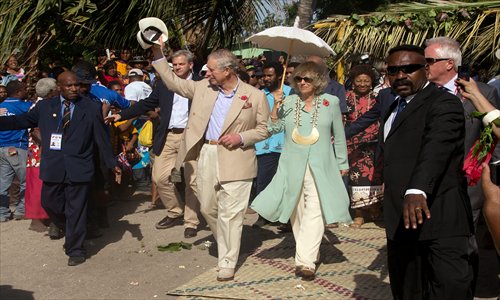
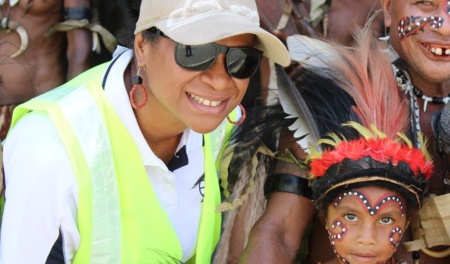
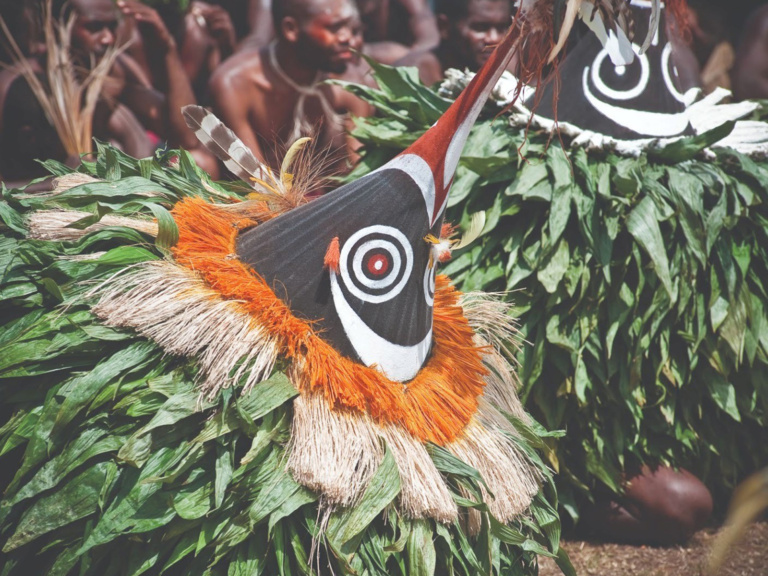
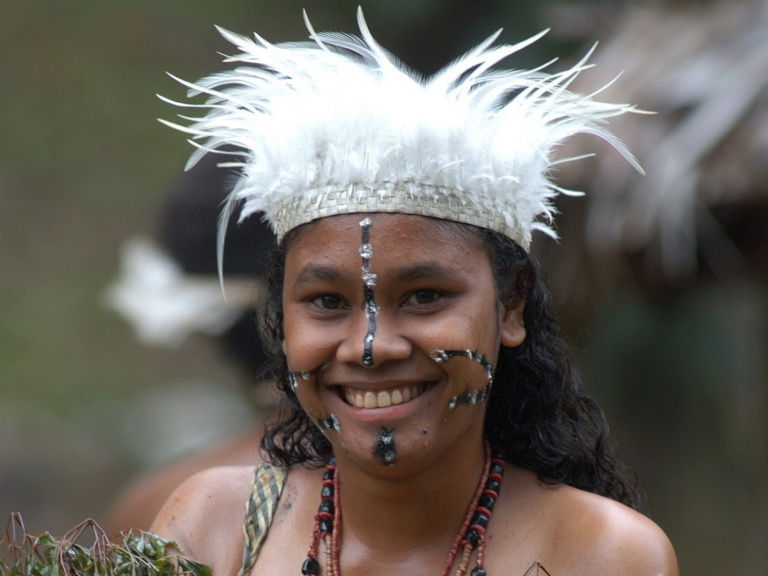
Immerse yourself in local life along the Sepik River, experience the colour and energy of traditional festivals, or explore WWII historical sites across Rabaul and the Highlands.
Trekking & Nature
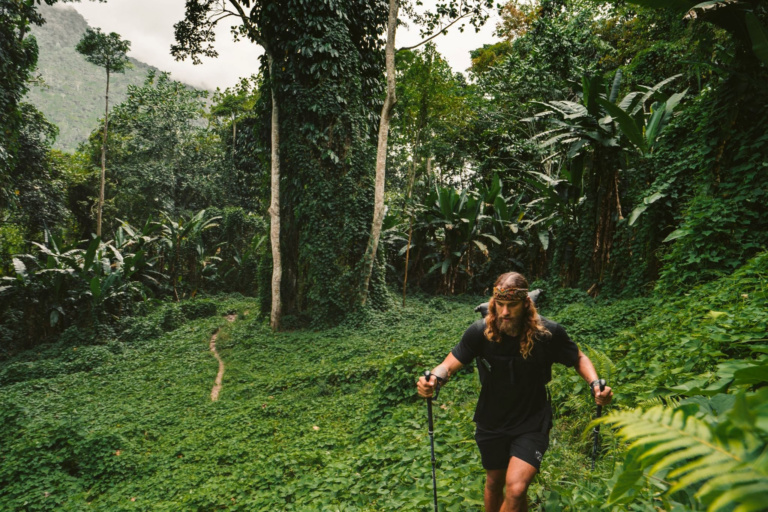
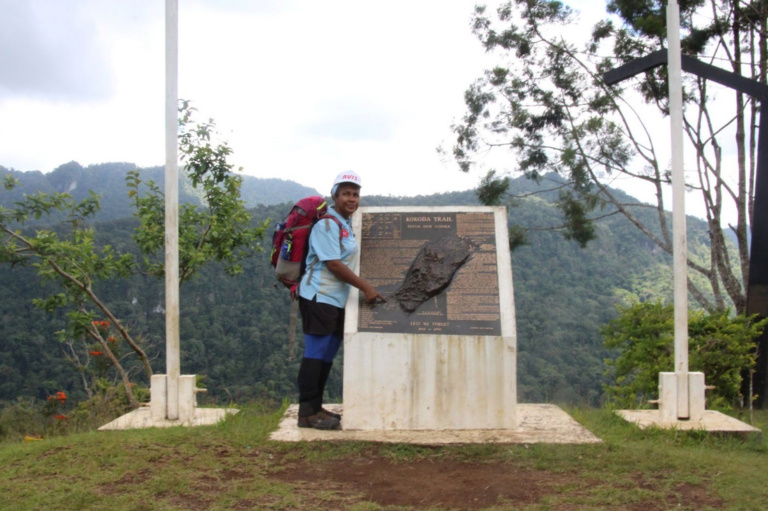
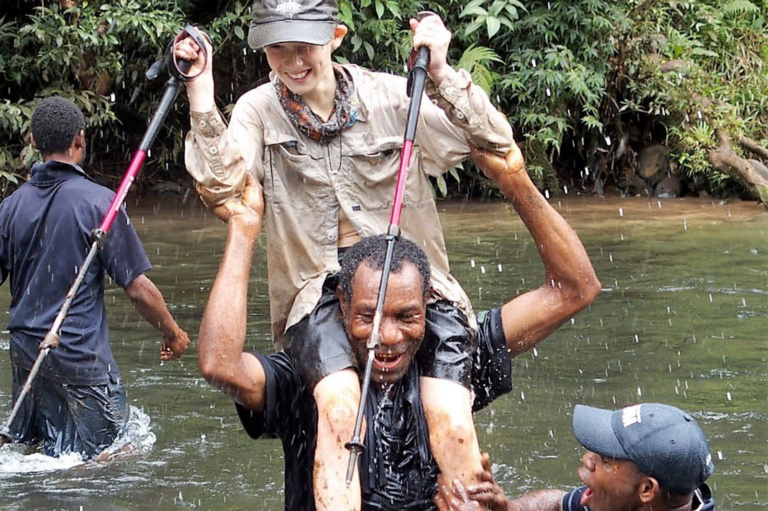
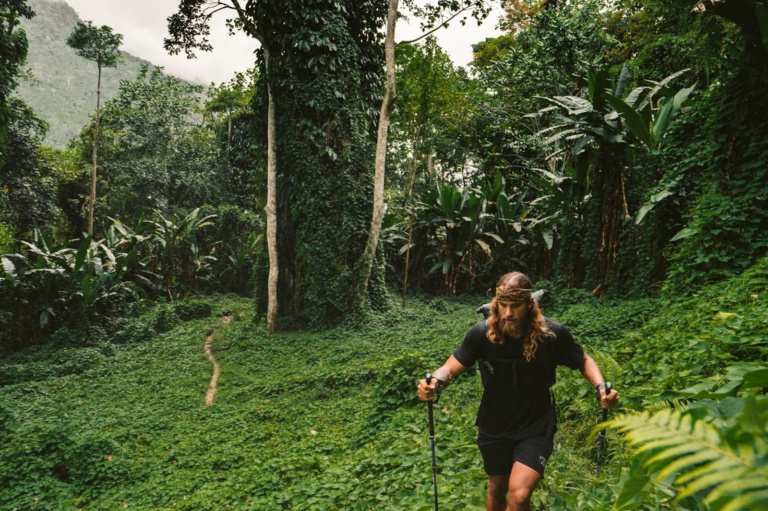
Challenge yourself on the Kokoda Track or summit PNG’s highest peak, Mount Wilhelm. You’ll be rewarded with alpine views and rich cultural insights along the way.
Beach & Relaxation
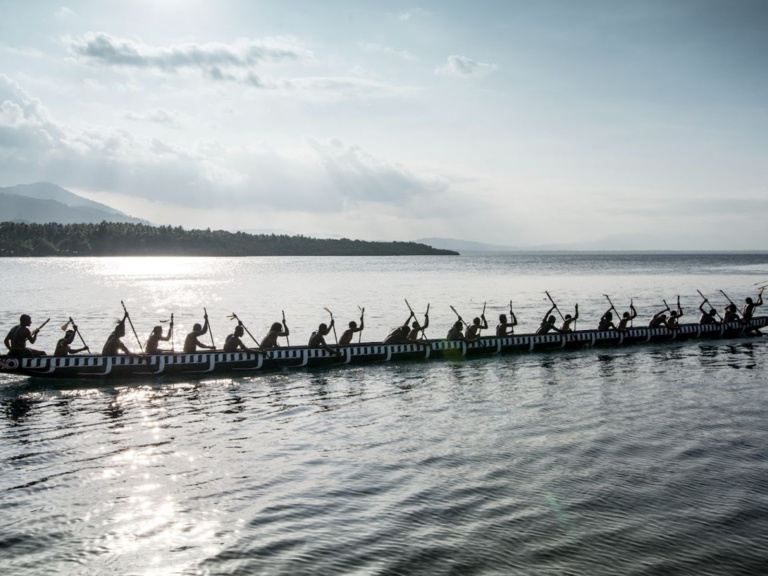
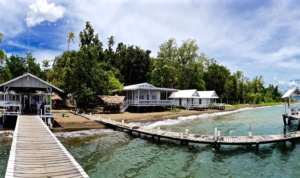
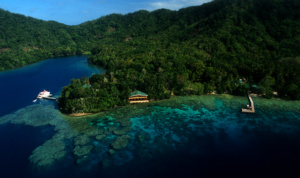
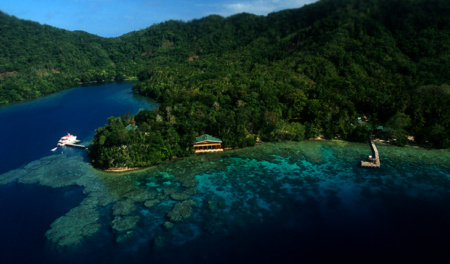
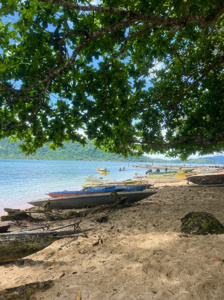
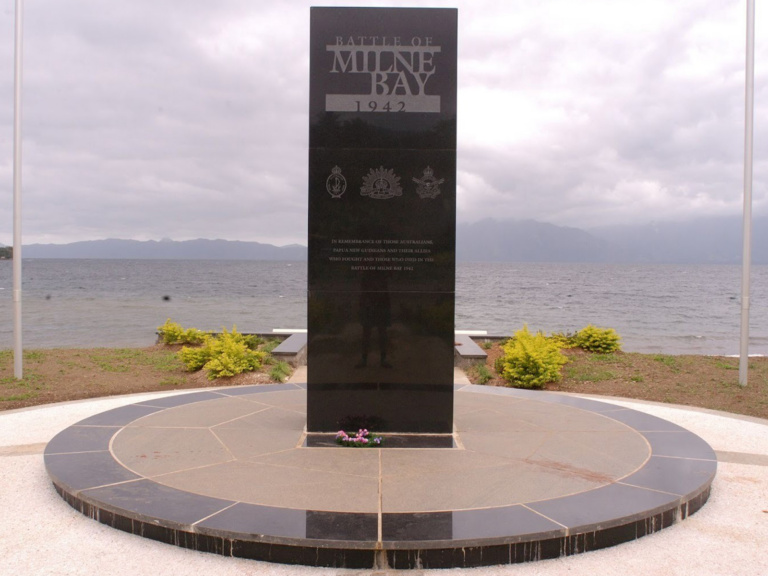
Slow down on PNG’s best beaches or unwind with snorkelling and village stays in Milne Bay. The coastlines here feel like your own private paradise.
Diving & Wildlife
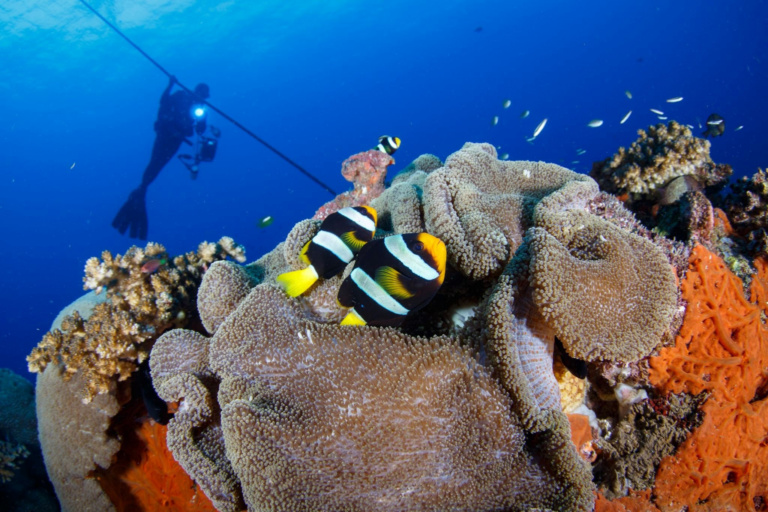
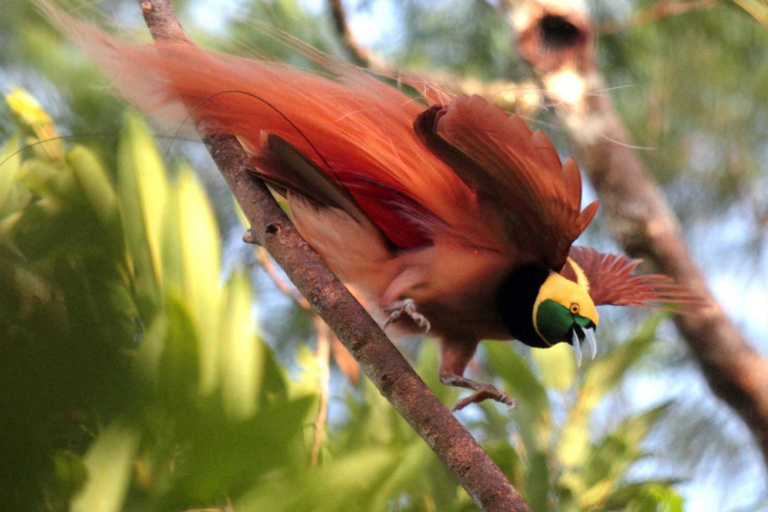
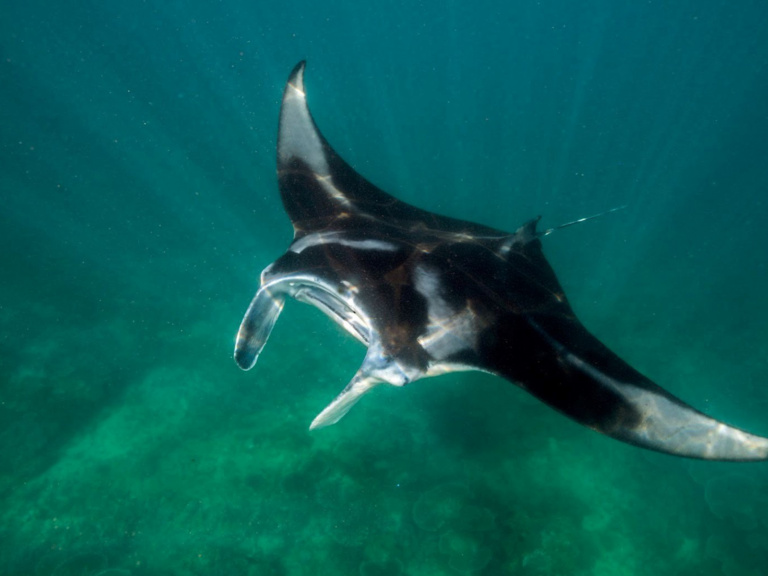
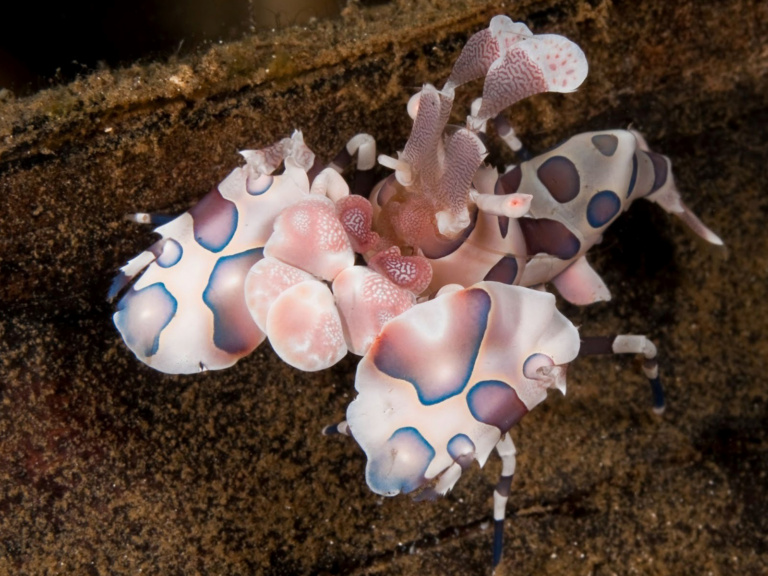
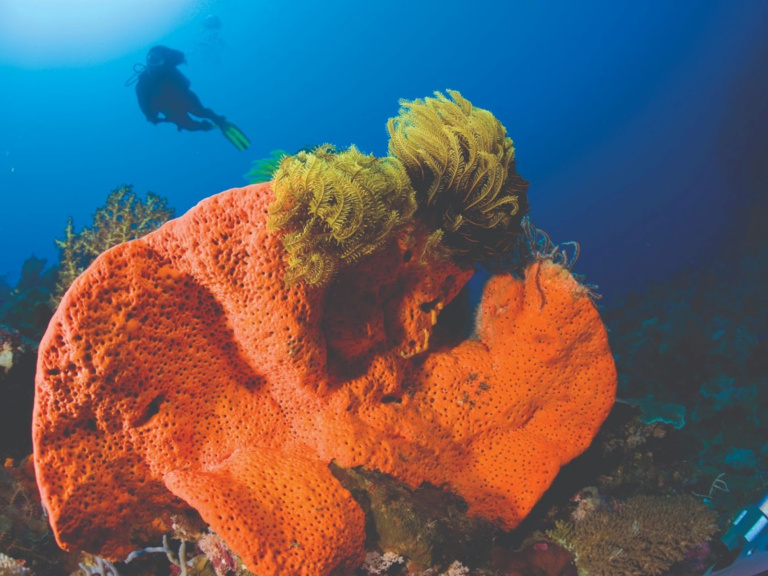
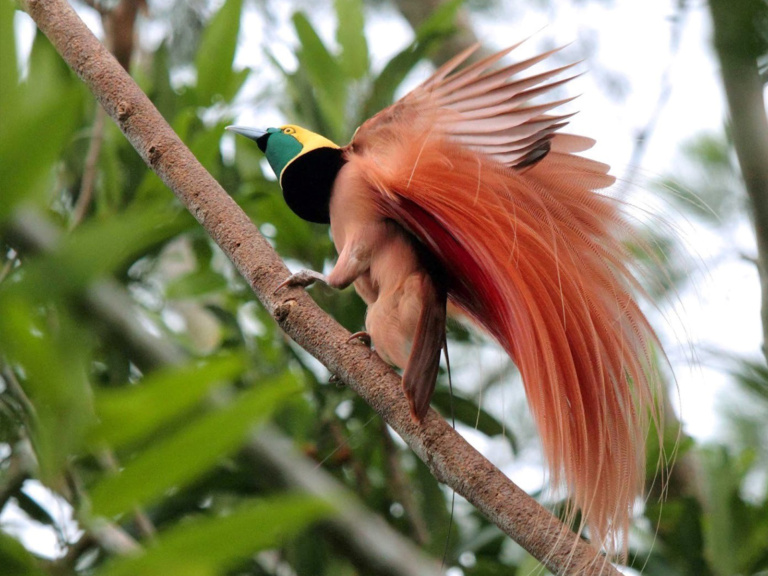
World-class diving awaits in Kimbe Bay, Tufi, and Kavieng. Inland, the Highlands are known for birdwatching – especially the dazzling birds-of-paradise.
Planning around your adventure style helps shape the right time of year, region, and pace for your trip.
PNG is incredibly diverse, so it’s worth mapping out a few key regions before booking. Here are some highlights to help shape your 2026 itinerary:
Explore our interactive map on where to go to start mapping out your ideal route.
Traveller Type | Best Region Pairings | Why It Works |
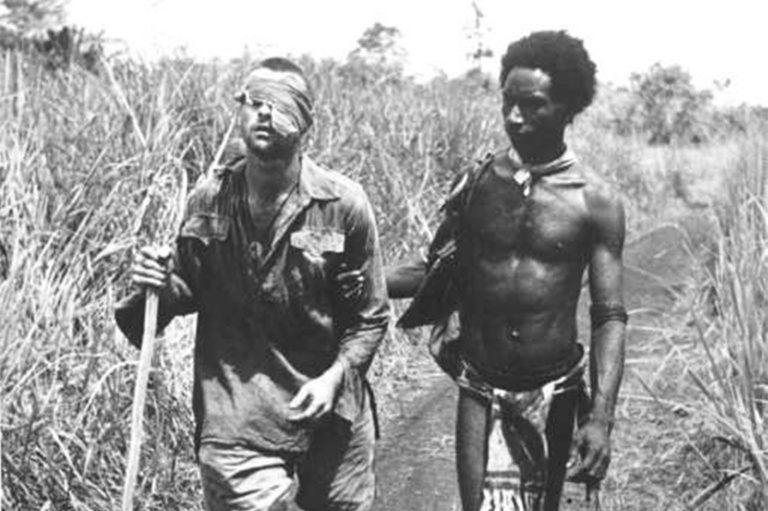
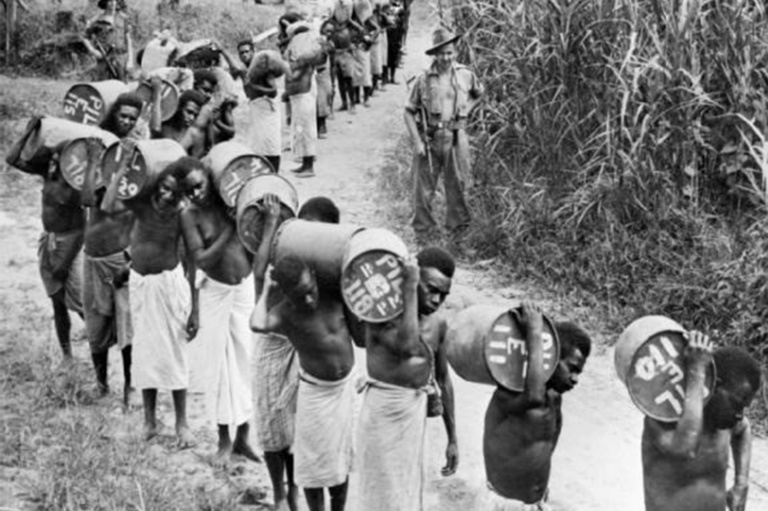
History Lovers | Kokoda Track + Rabaul | Kokoda offers a powerful WWII connection, while Rabaul adds wartime tunnels, wrecks, and active volcano landscapes. |
Divers & Ocean Travellers | Milne Bay + Tufi | Clear water, reefs, and marine life in Milne Bay, paired with Tufi’s fjords, soft corals, and laid-back village stays. |
Culture Travellers | Highlands + Sepik River | The Highlands deliver sing-sings and mountain communities; the Sepik adds art, carvings, and ancestral traditions. |
Relaxation Seekers | Milne Bay + Loloata Island | Easy island stays, calm beaches, and simple access from Port Moresby for a slower itinerary. |
Wildlife Enthusiasts | Highlands + Kimbe Bay | Birds-of-paradise in the Highlands alongside Kimbe Bay’s rich marine biodiversity. |
Adventure Travellers | Mount Wilhelm + Tufi | A high-altitude summit followed by coastal adventure, snorkelling, and cultural experiences. |
A well-planned PNG trip can work for a week or stretch into a longer adventure, depending on how many regions you want to visit and how active your itinerary is. Travel between areas often requires flights, so giving yourself enough time makes the experience smoother.
7 days
A good fit for travellers focusing on one region.
10–12 days
Ideal if you want a mix of culture, coast, and some light adventure.
14+ days
Best for those wanting deeper exploration or multiple remote areas.
Kokoda Track
The Kokoda Trek requires its own time allowance. Most groups walk the track in 8–10 days, with recovery time and flights in and out of Port Moresby. If you plan to trek around ANZAC Day, booking early is important.
Planning ahead will make your 2026 PNG trip feel effortless. Here are some quick tips to keep in mind:
For more detailed planning info, visit our Travel Tips page.
2026 is shaping up to be a big year for cultural travel in PNG, with iconic events and seasonal highlights worth planning around.
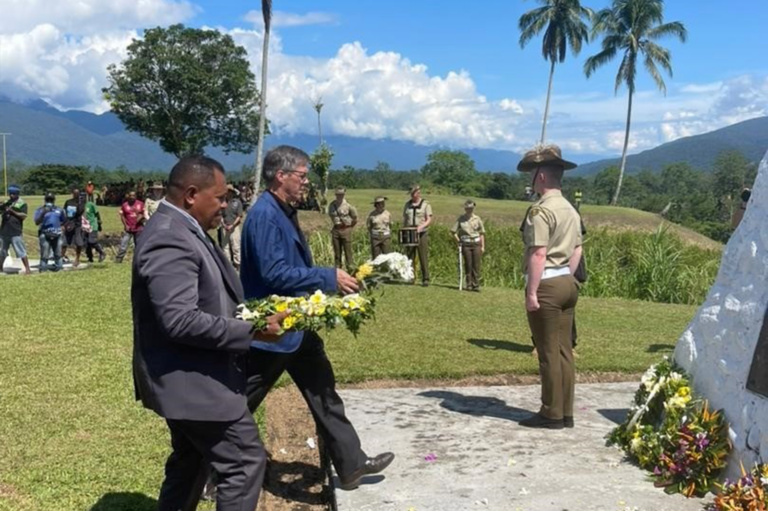
ANZAC Day on the Kokoda Track (April) – A moving time to trek the trail, with services held to honour Australian and Papua New Guinean soldiers.
Crocodile Festival in Ambunti (August) – Celebrate Sepik culture through dance, drumming, and crocodile totems along the mighty Sepik River.
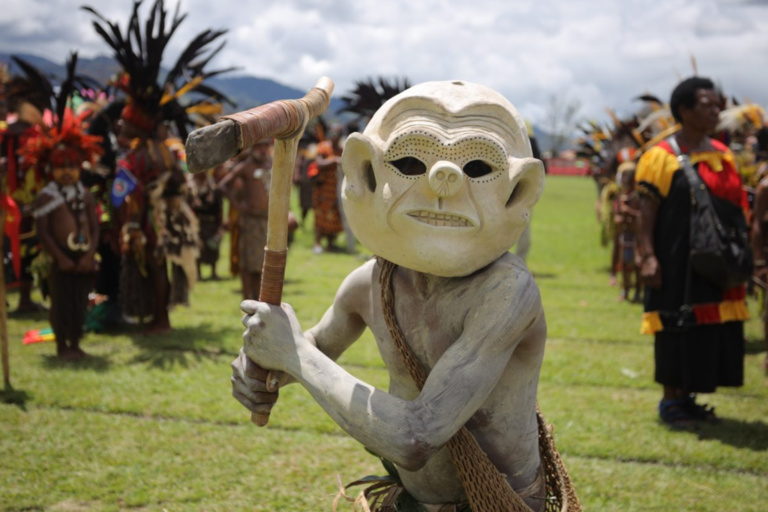
Goroka Show (September) – One of PNG’s largest cultural events, featuring over 100 tribes in full traditional dress.
Mount Hagen Show (August) – Another unforgettable sing-sing with colour, music, and proud cultural expression in the Highlands.
Dates may shift slightly year to year, so we recommend checking closer to your travel dates or signing up to our newsletter to stay updated.
2026 is the perfect time to experience the raw beauty, rich culture, and welcoming spirit of Papua New Guinea. Before locking anything in, check the Hello Poro page to see what offers are available while you plan your PNG journey. Whether you’re dreaming of remote island adventures, cultural encounters, or unforgettable treks, your journey starts here. If you have any questions regarding your trip to PNG, contact our team for more information.


Please help share our story:
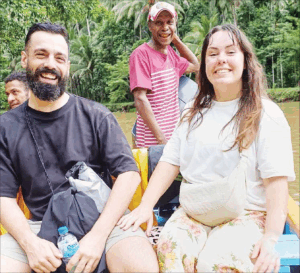
For years, she felt a quiet yearning to visit Papua New Guinea — the homeland of her grandmother, a place she had only ever
known through stories. Milne Bay, with its scattered islands and gentle traditions, felt like a distant calling. Yet despite this longing, she could never figure out how to get there.
No one in her circles had ever travelled to PNG as a tourist. There were no firsthand accounts, no practical advice, and no
encouraging voices to guide the way. “I didn’t know where to begin,” she admits. “I wanted so much to see Milne Bay, but the
pathway always felt unclear.”
Then one day, while scrolling through Instagram, everything changed. PNG Tourism Promotion Authority had launched the Hello Poro Campaign, a nation-wide push inviting travellers to discover the country through a series of subsidised, government-endorsed tours. Among the featured destinations was Milne Bay, and partnered with it, VilLink Tours & Expedition PNG.
“It felt almost unbelievable,” she said. “Fifty percent subsidised tours, and fully backed by PNG TPA. For the first time, I felt I could trust the process. It removed the mystery and gave us confidence that travelling to PNG — even through Port Moresby — would be safe.”
With that reassurance, she and her husband finally booked the trip they had dreamed of for years.
Their journey through Port Moresby was warm and smooth, dispelling the fears her family had long carried. But it was Milne Bay that truly captured their hearts — not only for its natural beauty, but because of the people who shaped their experience.
“The professionalism and communication from Maleta and her team at VilLink Tours & Expedition PNG were exceptional,” she said. “They made us feel taken care of from the moment we booked. It set the tone for our entire time in Milne Bay.” That tone carried them all the way to a place that would become the soul of their journey:
Four Days of Peace at Kobala Falls Retreat. Set across the river from Alotau and wrapped in lush riverine jungle, Kobala Falls Retreat offered the couple four days and three nights of quiet magic. “It was such a special experience,” she recalls. “Every day felt like a gift.”
They hiked to hidden waterfalls, explored nearby villages, and hopped across stunning islands by banana boat — a mode of
transport she now calls her “new favourite.” But it was the people who made Kobala feel like home.
As Retreat Manager, Metua became the heartbeat of their stay. “Metua was truly the hostess with the mostess,” she said. “We didn’t have to think about anything — she had already thought of every detail.”
One particular gesture became a highlight: every morning at breakfast, Metua placed a fresh tropical flower behind her ear.
“That small act of kindness stayed with me,” she said. “It made each morning feel special.”
Their meals were lovingly prepared by Lynette, the retreat’s chef, whose flavours soothed and nourished after long days of
adventure.“Her cooking was incredible — full of flavour and beautifully presented. Every table setting was decorated with colours and flowers. It felt like dining in nature’s gallery.”
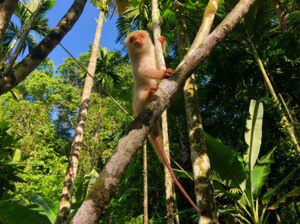
Out in the field, guides Yamo and Alfie ensured every trek, island hop, and village walk was safe, informative, and unforgettable. Alfie, in particular, left an impression — offering fresh coconuts, pointing out wildlife, and even introducing them to a gentle tree possum. Yet above all, it was the local element — the stories, the language, the humour, the shared quiet moments — that would stay with them long after they left.
“Getting to know the Kobala team made our experience deeply meaningful. They shared their culture with us in a way no hotel ever could. It enriched our understanding of Milne Bay.”
Before leaving, they learned one word they now carry with pride: Tinani — thank you.
Returning to Australia, they found themselves telling everyone — friends, colleagues, even strangers — about the beauty of PNG, the warmth of Milne Bay, and the professionalism of VilLink Tours & Expedition PNG. Even their family, once hesitant, is now planning visits of their own. And they credit it all to one initiative.
“Without the Hello Poro Campaign, we never would have taken this step,” she said. “The campaign was brilliant — clear, trustworthy, government-backed. It removed the guesswork and opened the door for us, and now for many others.”
Their first taste of PNG revealed only the beginning of its depth and diversity. From misty mountains to island-dotted seas, from
cultural richness to community warmth — they now understand why Papua New Guinea is like nowhere else on earth. “We can’t wait to return,” she said. “Milne Bay has our hearts. And next time, we hope to explore even more of PNG. ”A dream that once felt distant has now become a new chapter — one written with gratitude, discovery, and the enduring kindness of the Milne Bay people.
Tinani, Milne Bay and PNG. We will be back!


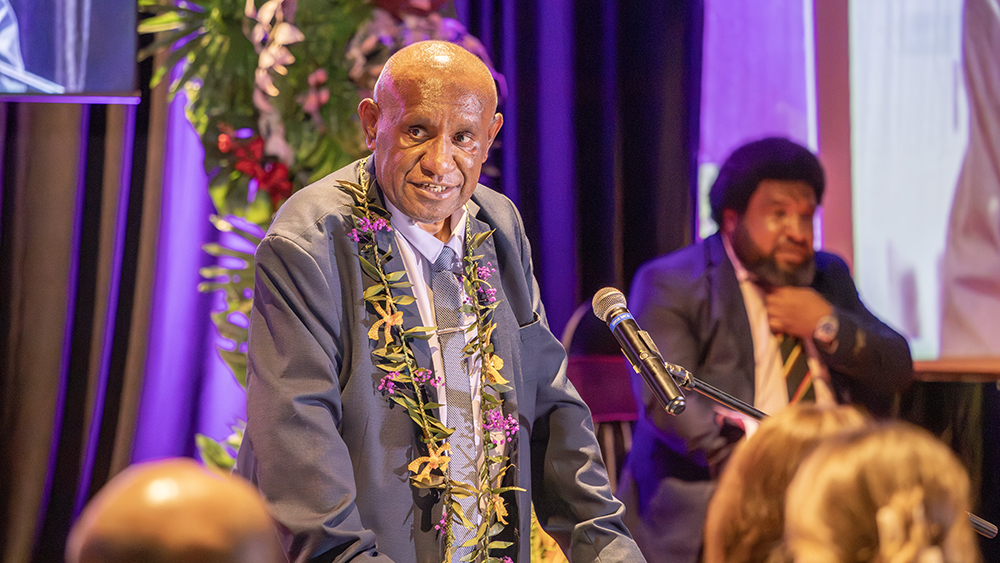
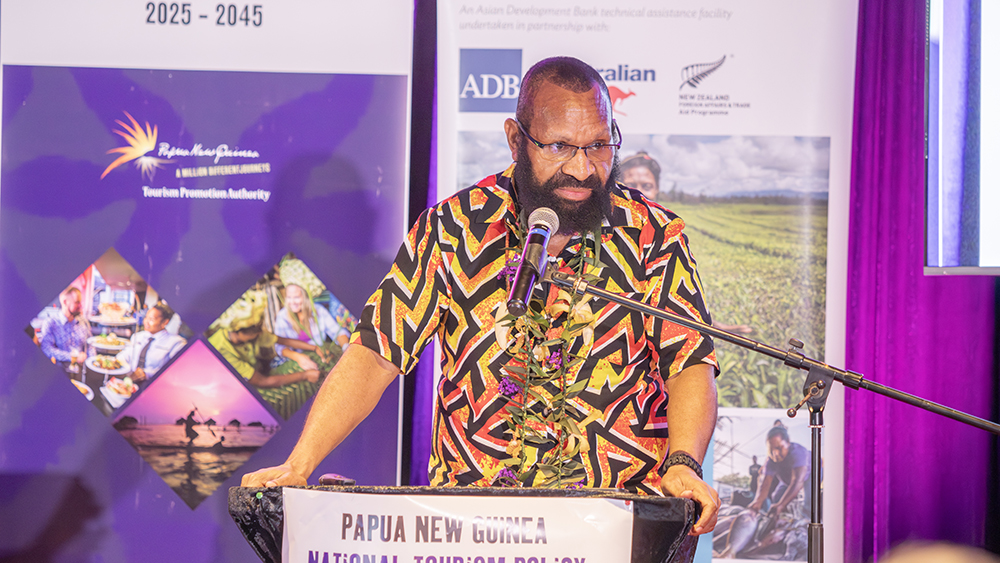
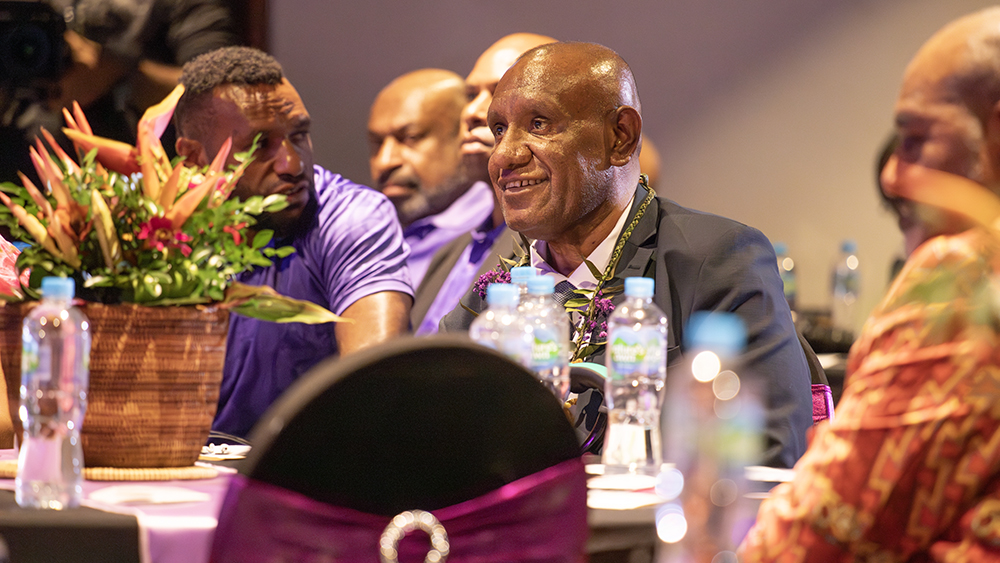
The Papua New Guinea Tourism Promotion Authority (TPA) officially launched the Papua New Guinea National Tourism Policy (NTP) 2025–2045 on Tuesday 18 November at the APEC Haus in Port Moresby.
The launch signifies the culmination of more than a year of extensive nationwide consultations across the public and private sectors, academia, non-governmental organizations, and community representatives.
Developed with the support from Pacific Private Sector Development Initiative (PSDI), an Asian Development Bank technical assistance program undertaken in partnership with the governments of Australia and New Zealand, the review of the NTP 1995 was conducted in December 2022, followed by Key Informant Interviews and regional consultations in 2023. An Issues Paper was developed to guide the policy drafting and a National Tourism Policy Stakeholder Validation workshop was facilitated in December the same year. Following the validation, the draft NTP 2025-2045 was put through numerous rounds of technical vetting before obtaining endorsement from the National Executive Council in August 2025.
The NTP 2025-2045 serves as a guide for whole-of-government efforts to achieve a multistakeholder shared tourism vision. It will be implemented through the Tourism Sector Development Plans (TSDP) convened by the Authority every five years, outlining specific agreed medium term strategic actions for all public, private and community stakeholders. The NTP 2025-2045 is framed around fifteen (15) Policy Areas comprising five (5) cross-cutting themes and ten (10) tourism enabling functions.
Policy Areas by Cross-cutting Themes -1) Environmental Sustainability, 2) Cultural Heritage Preservation and Promotion, 3) Empowerment of Resource Custodians, 4) Inclusive Economic Growth and 5) Resilience Building.
Policy Areas by Tourism-enabling Functions – 6) Tourism Sector Governance, 7) Air Connectivity, 8) Hub-based Destination Development, 9) Niche-based Visitor Experience Development, 10)
Investment in Tourism Supply, 11) Public Infrastructure and Services, 12) Tourism Industry Standards, 13) Workforce Development, 14) Destination Marketing and 15) Visitor Entry and Safety.
TPA’s CEO, Eric Mossman Uvovo, described the policy as a transformative roadmap for tourism in Papua New Guinea.
“The launch of the National Tourism Policy marks a new chapter in our tourism journey as a nation.
This policy provides the strategic direction needed to position Papua New Guinea as a leading nation in tourism, a country that celebrates its rich cultural diversity, pristine natural environment, and authentic adventure experiences,” said Uvovo.
Mr. Uvovo emphasized that the policy’s implementation will focus on strengthening partnerships between government agencies, provincial authorities, tourism operators, and local communities.
He also highlighted the importance of building resilient tourism infrastructure, promoting investment, and supporting micro, small, and medium enterprises (MSMEs) within the tourism industry.
The launch event was officiated by the Minister for Tourism, Arts and Culture Honorable Belden Norman Namah and attended by senior government officials, industry leaders, development partners, and representatives from across the country.
The PNG National Tourism Policy 2025–2045 provides a long-term vision to ensure that tourism contributes meaningfully to national development, creates employment opportunities, supports cultural preservation, and enhances the well-being of communities throughout the country.◼️
For more information and a copy of the PNG NTP 2025-2045, please email: psp@papuanewguinea.travel
The Papua New Guinea Tourism Promotion Authority (TPA) launched its Hello Poro Tourism Campaign alongside the 50th Independence Destination Tour Packages on Friday 5 September 2025 at Kwalimu Haus, Waigani in Port Moresby.
The launch, held as part of the nation’s 50th Independence Day Anniversary celebrations, is a part of TPA’s initiative to encourage Papua New Guineans to explore their own home.
The Hello Poro Campaign is a storytelling-driven media initiative that will highlight Mt. Hagen, Kavieng, Port Moresby, and Wewak as hero destinations through TPA’s social media reels, YouTube content and booking-enabled websites.
Alongside the campaign, the 50th Independence Tour Packages will offer ten curated four-day packages across the four main tourism regions, each subsidised by 50 per cent to make travel more affordable and accessible. Partner operators include Buna Treks & Tours, Paiya Tours, Bougainville Experience, PNG Tour Guide, and others who are collaborating with PNGTPA to deliver these experiences.
These initiatives are expected to drive higher visitation during the Independence period from September to December 2025, increase visibility for local operators and SMEs, strengthen domestic tourism habits, engage communities in showing PNG’s culture and history Speaking at the event, TPA’s CEO, Eric Mossman Uvovo said the initiatives reflect TPA’s
commitment to strengthening the tourism brand, boosting visitor engagement, supporting SMEs, and encouraging greater domestic travel.
“Tourism tells the story of who we are as Papua New Guineans – diverse, united, and welcoming. Hello Poro shows our people, our culture, and our destinations with authenticity and pride, while the subsidised Independence Tour Packages ensure that more people, both here at home and abroad, can share in these experiences. This is an investment in our long-term growth as a tourism nation,” said Uvovo.
The launch event featured remarks from industry representatives, media partners, and tourism operators. Guests were treated to a preview of the campaign video, a showcase of the subsidised tour packages, entertainment by Wan Squad, and a prize draw.◼️
Share our news:
The Papua New Guinea Tourism Promotion Authority (PNGTPA) has launched the Hello Poro Tourism Campaign and 50th Independence Destination Tour Packages on 5 September 2025 at Kwalimu Haus, Port Moresby.
As part of PNG’s 50th Independence Anniversary celebrations, the initiative invites Papua New Guineans and visitors alike to rediscover the country’s beauty, history, and culture.
Through short films, reels, YouTube content, and booking-enabled websites, Hello Poro shines a spotlight on four hero destinations: Mt Hagen, Kavieng, Port Moresby, and Wewak. Each destination is celebrated with authenticity, highlighting the diverse experiences that make Papua New Guinea a land of A Million Different Journeys.
To make this Independence truly unforgettable, PNGTPA has introduced ten specially curated four-day travel packages across PNG’s four tourism regions.
With 50% subsidies, these tours are designed to be more affordable and accessible, giving more people the chance to explore their home or discover it for the first time.
Partner operators include:
Buna Treks & Tours
Paiya Tours
Bougainville Experience
PNG Tour Guide
…and many more trusted local businesses.
These packages will run from September to December 2025, creating the perfect opportunity for families, friends, and communities to celebrate together through travel.
PNGTPA CEO Eric Mossman Uvovo shared that these initiatives mark an important step for the future of tourism in PNG:
“Tourism tells the story of who we are as Papua New Guineans – diverse, united, and welcoming. Hello Poro shows our people, our culture, and our destinations with authenticity and pride, while the subsidized Independence Tour Packages ensure that more people, both here at home and abroad, can share in these experiences. This is an investment in our long-term growth as a tourism nation.”
The launch event brought together tourism operators, media partners, and industry leaders. Guests enjoyed the premiere of the Hello Poro campaign video, cultural entertainment from Wan Squad, a showcase of the Independence Tour Packages, and a prize draw – setting the stage for a season of celebration and travel.
From the Highlands to the Islands, from history to adventure – this Golden Jubilee is your chance to explore Papua New Guinea like never before.
👉 Start your journey today. Visit www.papuanewguinea.travel/hello-poro to discover the packages.
Help share our story:
The Bomana War Cemetery is the largest war cemetery in Papua New Guinea and one of the most solemn and moving memorial sites in the Pacific. Located just outside Port Moresby, it serves as the final resting place for thousands of Allied soldiers who lost their lives during the Second World War, particularly in the brutal campaigns fought across the Owen Stanley Range and along the Kokoda Trail.
For many visitors — especially from Australia and New Zealand — a visit to Bomana War Cemetery Papua New Guinea is both personal and powerful. The rows of white headstones, immaculate grounds, and stories etched into the memorial walls provide a space for reflection and remembrance. As a key destination in WWII heritage tourism, the Port Moresby Bomana War Cemetery is a place where history, sacrifice, and human connection are deeply felt.
The Bomana War Cemetery was established after the Second World War by the Commonwealth War Graves Commission (CWGC) to honour Allied soldiers who died in Papua New Guinea during the Pacific campaigns. Many of those buried here lost their lives in the Kokoda Campaign, one of the most challenging and strategically significant battles fought between Australian and Japanese forces in the region.
Today, the cemetery contains 3,824 war graves, including 699 unidentified soldiers whose names are commemorated on memorial walls within the site. Each headstone, regardless of rank or nationality, reflects the CWGC’s commitment to equality in remembrance.
The cemetery not only provides a dignified resting place for the fallen but also stands as a powerful reminder of the human cost of war and the enduring bond between Papua New Guinea, Australia, and other Allied nations.
The Port Moresby Bomana War Cemetery is located approximately 19 kilometres northeast of the city centre, making it a less than 30 minute drive from the capitals cbd. The site is easily accessible by car or as part of a guided tour, and is often included in historical itineraries alongside the Kokoda Track Memorial at Owers’ Corner.
The cemetery is open daily to the public and free to enter, with well-maintained paths and gardens that invite quiet reflection. Visitors will find over 3,000 uniform white headstones, carefully arranged on green lawns, along with memorial plaques honouring the missing. The peaceful setting, framed by hills and tropical trees, contrasts deeply with the stories of hardship and sacrifice it represents.
While there’s no formal dress code, respectful attire and behaviour are expected. Visitors are encouraged to speak quietly, avoid stepping on graves, and treat the space with care and reverence. Photography is allowed, but should be done thoughtfully, particularly when other visitors are present.
A visit to the Bomana War Cemetery near Port Moresby offers a chance not only to pay respects, but to gain a deeper understanding of the lives lost and the historical ties that continue to connect Papua New Guinea with countries around the world.
The peaceful setting, carefully maintained by the Commonwealth War Graves Commission, invites quiet reflection. The sheer scale of the cemetery offers a powerful, human reminder of the lives lost in the Pacific War.
Many of the soldiers buried here died during the Kokoda Campaign, making the cemetery especially meaningful for those walking or learning about the trail. It provides important historical context before or after visiting the Kokoda Track.
The cemetery is often featured in:
Whether you’re tracing family history, exploring military history, or seeking a moment of quiet respect, Bomana War Cemetery provides a unique and meaningful stop in Port Moresby.
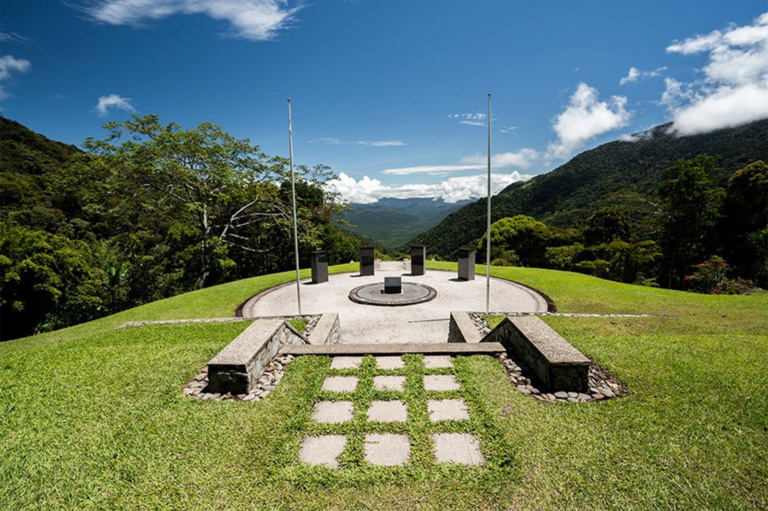
Located at the southern end of the Kokoda Trail, this memorial honours the soldiers who fought in one of WWII’s most grueling campaigns. The site offers sweeping views of the Owen Stanley Range and serves as a symbolic start or end point for those walking the trail. It pairs meaningfully with a visit to Bomana, deepening the historical context.
Just a short drive from the cemetery, this museum offers a curated look at Papua New Guinea’s cultural and wartime history. It’s a great place to explore traditional artefacts, WWII exhibits, and regional heritage collections.
For a contrasting experience, the Nature Park offers a relaxing and educational environment showcasing PNG’s native wildlife and tropical plant life. It’s well-suited for families or travellers looking to unwind after visiting more solemn sites.
Visit During the Dry Season
The cooler, drier months between May and October offer the most comfortable conditions for walking and sightseeing.
Consider a Guided Tour
Local guides and WWII history tours provide valuable context and can combine your visit with other significant sites, such as the Kokoda Track Memorial or Port Moresby’s war museums.
Prepare for the weather
The cemetery is open and exposed, with limited shade. Bring water, wear a hat, and apply sunscreen.
Respect the Space
As a war cemetery, visitors should dress modestly, speak quietly, and avoid stepping on graves. Photography is permitted but should be discreet and respectful.
Please help share our story:
Port Moresby a.k.a Amazing Port Moresby, is the capital of Papua New Guinea and the main gateway for international travellers arriving in the country. Sometimes seen as a brief stopover, the city actually offers a diverse mix of cultural, historical, and nature-based experiences that make it well worth exploring.
From its vibrant local markets and national landmarks to peaceful war memorials and wildlife parks, Port Moresby offers travellers a unique introduction to the heart of PNG. Whether you’re here for a few hours or a few days, this guide highlights some of the best things to do in Amazing Port Moresby.
One of the top attractions in the city, Port Moresby Nature Park is the perfect place to experience Papua New Guinea’s unique flora and fauna in a safe and beautifully maintained environment. The park is home to native species like tree kangaroos, cassowaries, hornbills, and birds of paradise, as well as more than 100 native plant species displayed in tropical gardens.
It’s a great outing for families, nature lovers, or anyone wanting a gentle introduction to the country’s extraordinary biodiversity. Educational signage and regular wildlife talks help visitors learn more about PNG’s conservation efforts.
Key highlights:
Located just outside the city, the Bomana War Cemetery is the largest of its kind in Papua New Guinea and a deeply moving site to visit. Maintained by the Commonwealth War Graves Commission, it is the final resting place for more than 3,824 Allied soldiers who lost their lives during World War II, many of them in the Kokoda Campaign.
Set in peaceful, manicured grounds with rows of white headstones and memorial plaques, the cemetery offers a place of quiet reflection and historical significance.
Key highlights:
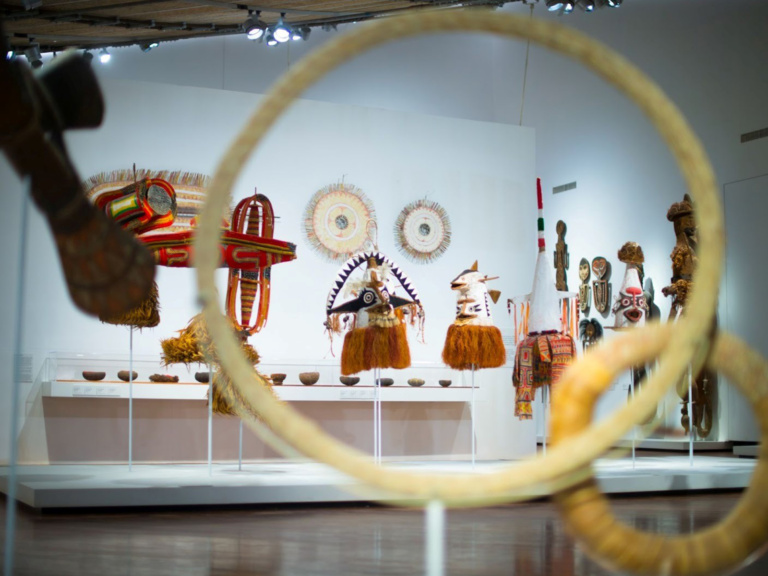
For a deeper understanding of Papua New Guinea’s rich cultural heritage, a visit to the National Museum and Art Gallery in Waigani is a must. The museum houses a wide range of exhibits that reflect the country’s diverse history, art, and traditions, with displays covering everything from tribal artefacts and ceremonial costumes to natural history and World War II relics.
It’s a great place to learn about PNG’s more than 800 distinct cultural groups, as well as the artistic and spiritual practices that define life across the country. The museum also features rotating exhibitions and educational programs, making it an informative and engaging stop for travellers.
Key highlights:
Ela Beach is Port Moresby’s most accessible and well-known beachfront, offering locals and visitors a scenic place to unwind by the sea. Recently revitalised, the area now features paved walking paths, shaded seating, public facilities, and open spaces perfect for picnics or relaxing with a view.
On weekends, Ela Beach often comes alive with markets, food stalls, and community events, making it a great place to experience local life in a laid-back setting. While not exactly a traditional swimming beach, it’s perfect for morning walks, sunset views, and people-watching.
Key highlights:
For a more immersive experience of daily life in Port Moresby, visit one of the city’s local markets, such as Gordons Market or Boroko Market. These bustling hubs are filled with fresh produce, tropical fruit, betel nut stands, handmade crafts, and woven bilums – PNG’s iconic hand crafted bags.
While markets can be crowded and busy, they offer a genuine look at the local economy and culture. It’s also a great place to support local vendors and find souvenirs that reflect traditional craftsmanship. Travellers are advised to go with a guide or local host and visit during the day for comfort and safety.
Key highlights:
Just a short boat ride from Port Moresby, Loloata Island offers a peaceful coastal escape from the city. Known for its clear waters, coral reefs, and relaxed atmosphere, it’s a popular spot for day trips, snorkelling, diving, and weekend getaways.
The island is home to Loloata private resort with facilities for both day visitors and overnight guests. Activities include kayaking, paddleboarding, beachside dining, and exploring nearby dive sites.
Key highlights:
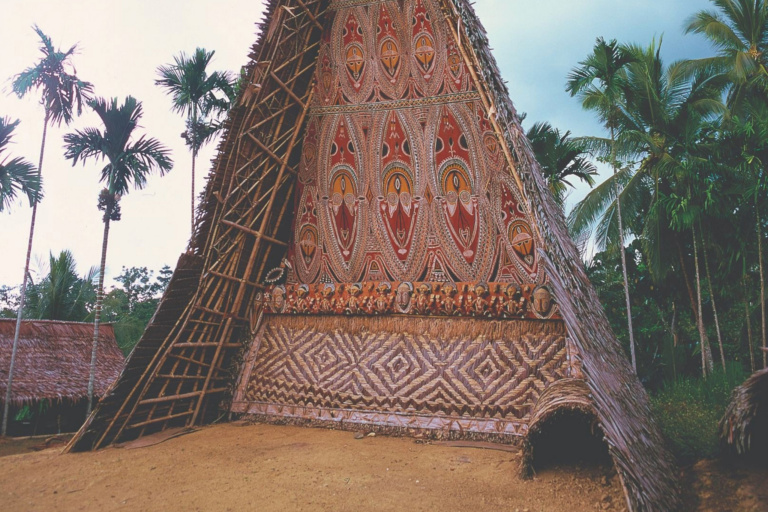
A striking blend of modern architecture and traditional design, Parliament House in Waigani is one of Port Moresby’s most recognisable landmarks. Opened in 1984, the building’s facade is inspired by a traditional haus tambaran (spirit house), reflecting PNG’s deep cultural roots alongside its national identity.
Visitors can view the exterior, explore the surrounding landscaped gardens, and, when parliament is not in session, join a guided tour to learn about the country’s political system and democratic history.
Key highlights:
Amazing Port Moresby is a place where you can connect with PNG’s living traditions. Throughout the year, the city hosts a variety of cultural events, sing-sings, and exhibitions that showcase the country’s rich diversity – especially during the Independence Day festivities on 16th September, when celebrations are at their peak.
Venues like the National Museum, Ela Beach, and local community centres often hold cultural displays and performances, especially around national holidays. Depending on your timing, you may also catch regional events or exhibitions that bring together tribes, artists, and performers from across the country.
Key highlights:
Best Time to Visit
The dry season, from May to October, offers cooler temperatures and more reliable weather, ideal for sightseeing and outdoor activities.
Getting Around
Public transport is limited and informal, so it’s best to use hotel transfers, registered taxis, or organised tours. Walking is possible in some areas, but avoid travelling alone at night.
Safety Advice
While many visitors enjoy Port Moresby without issue, it’s important to stay alert, avoid secluded areas, and keep valuables secure. Travel with a guide when exploring unfamiliar parts of the city.
Local Etiquette
Dress modestly, ask permission before taking photos, and be respectful when visiting markets, villages, or cultural sites.
Currency & Payments:
The local currency is the Papua New Guinean Kina (PGK). Card payments are accepted in larger hotels and shops, but carry some cash for markets and smaller businesses.
For all PNG travel tips see our travel tips page.
Please help share our story:
Papua New Guinea may be best known for its rugged mountains, rich tribal cultures, and world-class diving but it’s also home to some of the most underrated beaches in the South Pacific. From urban stretches like Ela Beach in Port Moresby to untouched islands fringed by coral reefs, the country’s coastline offers a surprising variety of beach experiences for travellers.
We’ve rounded up some of the best beaches in Papua New Guinea, including local favourites, remote hideaways, and easy escapes for first-time visitors.
Ela Beach formerly known as Era Kone, meaning ‘Our Beach’ in the Motuan language. It is one of the most recognisable and accessible beaches in Papua New Guinea. The site used to be a turtle nesting ground and was also referred to as ‘Turtle Beach’. Located in the heart of Port Moresby, this long stretch of sandy coastline has been recently upgraded with paved walkways, shaded seating areas, playgrounds, and outdoor fitness zones, making it a popular spot for locals and visitors alike.
Visitors to Ela Beach can take in the iconic APEC Haus, a striking landmark inspired by the traditional crab-claw sail of the Hiri Lagatoi. The area also offers fantastic photo opportunities, especially with its vibrant murals, sculptures and totem poles that celebrate local culture.
While it’s not a swimming beach in the traditional sense, it’s ideal for morning walks, sunset views, weekend markets, and cultural events. It’s also a great place to relax and people-watch, especially on Sundays when families gather to enjoy the open space.
Key features:
Tupira Beach is one of Papua New Guinea’s top surf destinations, located near the village of Ulingan in Madang Province. It’s home to the Tupira Surf Club, the country’s first and only internationally recognised surf camp. This remote beach offers consistent reef breaks suited to intermediate and advanced surfers, along with a relaxed, community-based atmosphere.
Even if you’re not a surfer, Tupira is worth visiting for its unspoiled setting, cultural connection with local communities, and opportunity to experience the north coast at a slower pace. The beach is managed in partnership with local landowners, supporting sustainable tourism and conservation.
A drive to Tupira won’t be possible without passing through the Madang township, a popular beach swimming spot is Jais Aben, just a 15-minutes drive from Madang town. The popular hotel has a quaint white sandy beach front, and provides kayaking and traditional canoes for guests.
Key features:
Under 30-minutes drive from Port Moresby – along the Magi Highway in the Central Province, Loloata Island Resort is a convenient tropical escape ideal for day trips or overnight stays. The island is home to a modern beachfront resort and offers easy access to some of the best snorkelling and diving sites near the capital.
The calm, shallow waters around the island are perfect for swimming, paddleboarding, or simply relaxing on the beach. With its close proximity to the city and well-managed facilities, Loloata is a great choice for travellers who want a beach experience without venturing too far from Port Moresby.
Key features:
Kiriwina Island, the largest of the Trobriand Islands in Milne Bay Province, is known for its stunning white-sand beaches, crystal-clear lagoons, and strong cultural traditions. The island’s beaches are calm and shallow, making them ideal for swimming, snorkelling, and relaxing under the shade of coconut palms.
What sets Kiriwina apart is the chance to experience traditional village life alongside beautiful coastal scenery. Visitors are often welcomed with local dances, handicrafts, and storytelling, offering a beach experience that’s both scenic and culturally rich.
Other stunning beaches to explore in Milne Bay include the beachfront at Tawali Leisure & Dive Resort, known for its spectacular house reef; the pristine shores of the Conflict Islands—famous for their crystal-clear lagoons, vibrant coral reefs, and eco-conscious resort experience; the newly opened Mona’nauna Beach Retreat by VilLink Tours & Expeditions, just a 20-minute drive from Alotau; and the untouched beaches of Misima Island.
Key features of Kiriwina:
Misima Island is a remote and peaceful destination in Milne Bay Province, offering pristine beaches, rich marine biodiversity, and an authentic island atmosphere. Once home to a gold mine, the island has since returned to its quiet, natural state, making it perfect for travellers seeking seclusion and off-the-grid beauty.
The beaches here are wide, clean, and often completely empty. Offshore, vibrant coral reefs provide excellent snorkelling and diving, while inland walking trails and friendly villages offer a glimpse into daily life on a remote PNG island.
Key features:
The Kavieng District of New Ireland Province is a tropical paradise known for its palm-fringed coastlines, crystal-clear waters, and laidback island charm. Dotted with picture-perfect islands and welcoming communities, this region is ideal for beach lovers, snorkelers, divers, and those seeking a peaceful escape.
Among the highlights is Tsoilik Island, part of the remote Tsoi Island group. Tsoilik is celebrated for its pristine white sand beaches, traditional guesthouses, and rich marine biodiversity—perfect for those after an authentic cultural and coastal experience. Closer to the mainland, Nusa Island Retreat, just a short boat ride from Kavieng town, offers a peaceful beachfront setting with great surf breaks and lagoon-style swimming.
Also nearby is Lissenung Island Resort, a secluded haven for divers and snorkelers. Surrounded by coral reefs and vibrant marine life, its soft sandy beach and relaxed vibe make it a favorite for ocean lovers. Further along the coast is Clem’s Place, a locally run beachfront eco-lodge known for its golden beaches, fishing excursions, and sunset views.
Key features:
The Tufi coastline, in Oro Province, is one of Papua New Guinea’s most unique beach environments. Carved by ancient volcanic activity, the area features deep fjords, hidden coves, and secluded beaches framed by dramatic cliffs and lush rainforest. This is not your typical tropical beach destination, it’s even more special.
Tufi offers spectacular snorkelling and diving straight off the shore, including access to vibrant coral reefs and WWII wrecks. Travellers can also explore the fjords by canoe, visit traditional villages, or simply relax on the small, sandy beaches tucked between the headlands.
Stay at the Tufi Dive Resort. Tufi Dive Resort offers a stunning escape with world-class diving and breathtaking views of Papua New Guinea’s fjord-like coastline. The nearby beaches are pristine and secluded, with powdery white sand and crystal-clear waters perfect for relaxation and adventure alike.
Key features:
Rabaul is known for its dramatic volcanic landscape, and its beaches are no exception. Here you’ll find striking black sand beaches shaped by past eruptions, warm coastal waters, and a coastline steeped in both natural beauty and historical significance.
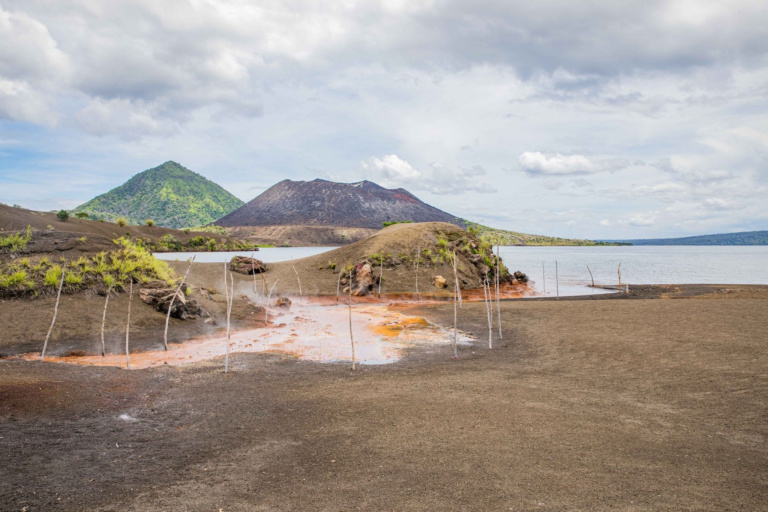
Many beaches around Rabaul offer views of the active Tavurvur Volcano, and some are close to WWII sites, making for a fascinating mix of relaxation and exploration. The calm waters are suitable for swimming, and snorkelling is available in areas with nearby reef systems.
The nearby Duke of York Islands offer some of the best beach island picnics and stays in East New Britain Province. Also, these great places offer wonderful beachfront experiences for their guests: Kokopo Beach Bungalow Resort and Rapopo Plantation Resort.
Key features:
Papua New Guinea’s beaches are beautiful, diverse, and often untouched but visiting them comes with a few important considerations. To make the most of your beach experience, here are some practical tips for staying safe, respectful, and well-prepared.
Bring essentials: Many remote beaches don’t have shops or facilities. Pack reef-safe sunscreen, insect repellent, water, and snacks.
Respect local customs: Some beaches are near or owned by local communities. Always ask for permission if unsure, dress modestly when arriving or leaving, and avoid taking photos without consent.
Swim with care: Lifeguards are uncommon in PNG. Swim only in calm, clear areas, and avoid isolated beaches unless you’re with a guide or local host.
Bring snorkelling gear: In remote locations, you may not find rental equipment. Having your own mask and fins gives you access to reef experiences right off the beach.
Leave no trace: PNG’s beaches are often pristine, help keep them that way by taking your rubbish with you and avoiding damage to coral or wildlife.
Whether you’re looking to swim, snorkel, surf, or simply unwind under a palm tree, the country’s beaches deliver something unique at every turn. With far fewer crowds than other tropical destinations, these beaches offer a rare chance to enjoy nature, connect with local communities, and explore PNG’s wild, unspoiled charm.
Please help share our story:
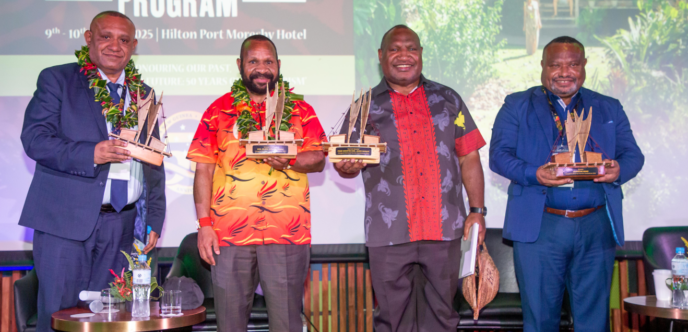
Proprietor of Trans Niugini Tours, Bob Bates, honoured with a Lifetime Achievement Award during the Gala Dinner segment of the National Tourism Conference & Expo (NTCE2025) on Thursday 10 April, at the Hilton Port Moresby Hotel & Residence.
The Lifetime Achievement Awards were proudly sponsored by the Platinum Sponsor of the National Tourism Conference & Expo, the Mineral Resources Development Company (MRDC) and its subsidiaries. Their partnership played a significant role in recognising industry legends who have shaped the tourism landscape of Papua New Guinea.
The award was jointly presented by the Prime Minister of Papua New Guinea, Hon. James Marape, and the Minister for Tourism, Arts & Culture, Hon. Belden Namah, in recognition of Mr. Bates’ lifelong commitment to developing and promoting tourism in Papua New Guinea.
Mr. Bates joined two other proud recipients recognised for their legacy and contributions to the tourism industry. These included Andrew and Juanita Barter, who received the award on behalf of the late Sir Peter Barter, founder of Melanesian Tourist Services Ltd; and Cheyne and Cecilie Benjamin, the son and wife of the late Max Benjamin, proprietor of the iconic Walindi Plantation Resort in West New Britain Province.
With more than four decades of service to the tourism sector, Bob Bates has long been a cornerstone of adventure and eco-tourism in Papua New Guinea. He arrived in the country in the early 1970s and quickly established Trans Niugini Tours, which has since become one of PNG’s most respected inbound tour operators.
His company is known for its commitment to cultural authenticity, environmental conservation, and community-based tourism. From setting up eco-lodges in remote parts of the country, such as Rondon Ridge, Karawari Lodge, and Ambua Lodge, to organising carefully curated cultural tours and expeditions, Mr. Bates has helped place Papua New Guinea on the global tourism map.
Bob Bates offered his thanks to the Prime Minister, the Minister for Tourism, PNG Tourism Promotion Authority (TPA), and the PNG Tourism Industry Association (PNGTIA).
“I thank you all for this honour — although I must say, I’ve still got another 40 years in me, so it’s not quite a ‘lifetime’ yet!” said Bates.
TPA’s CEO, Eric Mossman Uvovo, commended Mr. Bates for his remarkable contribution.
“Mr Bates is a name that resonates across the tourism industry not just in PNG but internationally. His deep respect for local culture, his investment in sustainable tourism, and his pioneering spirit have inspired generations. On behalf of TPA and the entire tourism family, we extend our heartfelt congratulations and thanks for his dedication to Papua New Guinea.”
Photo Caption: L-R): Minister for Tourism, Arts & Culture, Hon. Beldan Namah, proprietor of Trans Niugini Tours, Bob Bates and the Prime Minister of PNG, Hon. James Marape presenting the Lifetime Achievement Award to Bob Bates during the presentation at the Hilton Port Moresby Hotel & Residence.
Share our story:
The Late Max Benjamin was honoured with a Lifetime Achievement Award, on Thursday evening, April 10, during the National Tourism Conference & Expo (NTC) 2025 Gala Dinner, held at the Hilton Port Moresby Hotel and Residence.
The Lifetime Achievement Awards were proudly sponsored by the Platinum Sponsor of the National Tourism Conference & Expo, the Mineral Resources Development Company (MRDC) and its subsidiaries, whose support made it possible to honour the tourism legends of PNG in such a meaningful way.
The Lifetime Achievement Award was presented by Prime Minister Hon. James Marape and Minister for Tourism, Arts & Culture Hon. Belden Namah to Max Benjamin’s wife, Cecilie Benjamin, who accepted the award alongside their son Cheyne Benjamin. The event marked a moment of heartfelt remembrance and celebration of a man whose vision helped shape the face of PNG’s marine tourism.
The Benjamins joined two other proud recipients of the award: Bob Bates, proprietor of Trans Niugini Tours, and Andrew Barter, son of the late Sir Peter Barter, who accepted the honour with his wife Juanita on behalf of the Melanesian Tourist Services founder.
Max Benjamin’s journey in Papua New Guinea began in the 1960s when he arrived as a young man with a love for exploration and conservation. He went on to establish Walindi Plantation Resort with his wife Cecilie in Kimbe Bay, West New Britain, which has since earned international recognition for its world-class diving, marine conservation efforts, and commitment to sustainable tourism. Under the Benjamin’s leadership, Walindi became a flagship for responsible tourism, attracting scientists, divers, and eco-travellers from around the globe and putting PNG on the world diving map.
In her acceptance remarks, Cecilie Benjamin thanked the Prime Minister, the Minister for Tourism, PNG Tourism Promotion Authority (TPA) and the PNG Tourism Industry Association (PNGTIA) for hosting an exceptional conference and Gala Dinner.
“A wonderful conference and an award that is a proud achievement for my husband,” said Mrs Benjamin.
She also reminded the audience of the unique treasure that PNG represents.
“Please, never compare Papua New Guinea to anywhere else on earth. This country is unlike any other — with its cultures, its biodiversity, and its pristine beauty. There is no place like PNG,” said Mrs Benjamin.
The Gala Dinner brought to a close the two-day National Tourism Conference, hosted on Wednesday 9 to Thursday 10 April, where tourism operators, government officials, development partners, and community leaders from across the country gathered under the theme “Honouring Our Past, Transforming Our Future” to celebrate 50 years of tourism and to chart the path forward for a vibrant, inclusive, and sustainable tourism industry.
Eric Mossman Uvovo, CEO of the Papua New Guinea Tourism Promotion Authority (TPA), praised the late Mr. Benjamin’s remarkable contributions to the sector:
“Max Benjamin was more than a resort owner — he was a true champion of eco-tourism, a protector of marine biodiversity, and a mentor to many in our industry. His passion and commitment to Papua New Guinea’s natural beauty and people have left a lasting legacy. On behalf of TPA and the tourism sector, we are grateful to Cecilie and Cheyne for travelling to Port Moresby to accept this award in his honour,” said Uvovo.
Photo Caption: Minister for Tourism, Arts & Culture, Hon. Beldan Namah, wife of the late Max Benjamin, Cecilie Benjamin, Cheyne Benjamin (son) and the Prime Minister of PNG, Hon. James Marape presenting the Lifetime Achievement Award to the Benjamins for the Late Max Benjamin’s contribution to tourism in PNG.
Share our story on the following:
Thank you for submitting your registration for the PNG Tourism Sector Legislation Review!
Spaces are limited per consultation, so only registered participants will be contacted.
Kind regards,
The Papua New Guinea Tourism Promotion Authority
Thank you for submitting your business form. We will have our team look over the details and then contact you once we have added your details to our website.