
More info
Find Travel Agents Near You
The Momase Region of Papua New Guinea is known for the Sepik River, Madang’s coral reefs, Lae’s markets, rainforest landscapes, and diverse coastal and river cultures. The region includes 4 provinces: Morobe, Madang, East Sepik, and West Sepik, also known as Sandaun.
Located along PNG’s northern mainland coast, the Momase Region combines river systems, offshore islands, mountain ranges, surf beaches, and cultural traditions that differ across each province. Travellers visit for river cruising, diving, cultural experiences, coastal towns, and access to some of Papua New Guinea’s most diverse mainland environments.
The Momase Region sits along Papua New Guinea’s northern mainland coast and includes 4 provinces across coastal, river, island, and rainforest environments.
The region stretches from Morobe Province in the east to West Sepik/Sandaun Province near the Indonesian border. Key travel hubs include Lae, Madang, Wewak, and Vanimo.
The name “Momase” comes from the first syllables of Morobe, Madang, and Sepik.
| Fact | Detail |
| Region | Momase Region |
| Provinces | 4 |
| Key Hubs | Lae, Madang, Wewak, Vanimo |
| Known For | Sepik River, Madang reefs, coastal culture, markets, WWII history |
The Momase Region stands out for its combination of river culture, coastal landscapes, rainforest environments, and cultural diversity.
The region differs from the Highlands and Islands regions through its mix of mainland coastline, major river systems, and busy regional centres. River communities, fishing villages, surf towns, and market hubs all contribute to the region’s identity.
Travellers experience:
Each province offers a different perspective on mainland Papua New Guinea.
The Momase Region includes 4 provinces, each offering distinct landscapes and cultural experiences.
| Province | What It’s Known For |
| Morobe Province | Lae, Huon Gulf, markets, rainforest, WWII history |
| Madang Province | Coral reefs, islands, diving, lagoons |
| East Sepik Province | Sepik River, Wewak, spirit houses, carvings, WWII history |
| West Sepik / Sandaun Province | Vanimo, beaches, surfing, remote coastlines |
Travellers can learn more through the province pages for Morobe, Madang, East Sepik, and West Sepik.
The best things to do in the Momase Region include cruising the Sepik River, diving in Madang, visiting local markets, exploring coastal towns, and experiencing village culture.
The Sepik River is one of Papua New Guinea’s most important cultural and geographic landmarks.
River journeys pass through village communities known for spirit houses, ceremonial traditions, and woodcarving. Canoe travel remains part of daily life along many sections of the river.
The Sepik River also supports one of the country’s most recognised cultural events, the Sepik River Crocodile & Arts Festival in Ambunti.
Sepik culture is known for carving traditions, spirit houses, and crocodile symbolism.
Communities throughout East Sepik maintain artistic and ceremonial practices connected to the river. Traditional carvings, masks, drums, and storytelling continue to play an important role in village life.
Visitors travelling through the Sepik region often experience:
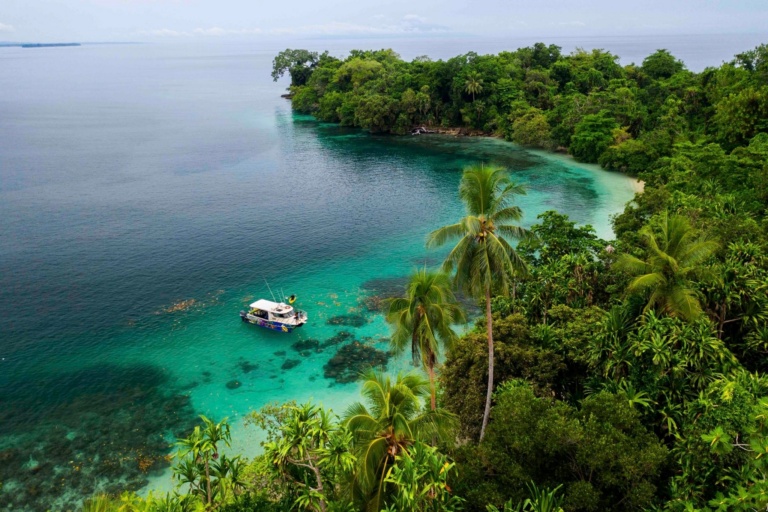
Madang Province is recognised for coral reefs, offshore islands, and marine biodiversity.
The coastline includes lagoons, reef systems, and clear-water snorkelling areas. Diving around Madang features coral gardens, reef fish, and WWII underwater history, including wartime wrecks and submerged aircraft remains.
Boat trips connect visitors to nearby islands and coastal reef systems throughout the province.
Lae is Papua New Guinea’s second-largest city and a major gateway into the Momase Region.
Every year, the city hosts the highly-anticipated Morobe Show, which celebrates the province’s agricultural, commercial and cultural tributes – featuring cowboy events, motocross shows and much more.
The city connects travellers to Morobe Province, the Huon Gulf, and inland transport routes. Local markets showcase fresh produce, seafood, and goods from surrounding communities.
Lae also holds an important place in Papua New Guinea’s WWII history and remains one of the country’s key commercial centres.
Wewak serves as the main coastal centre in East Sepik Province and provides access to nearby islands and cultural areas.
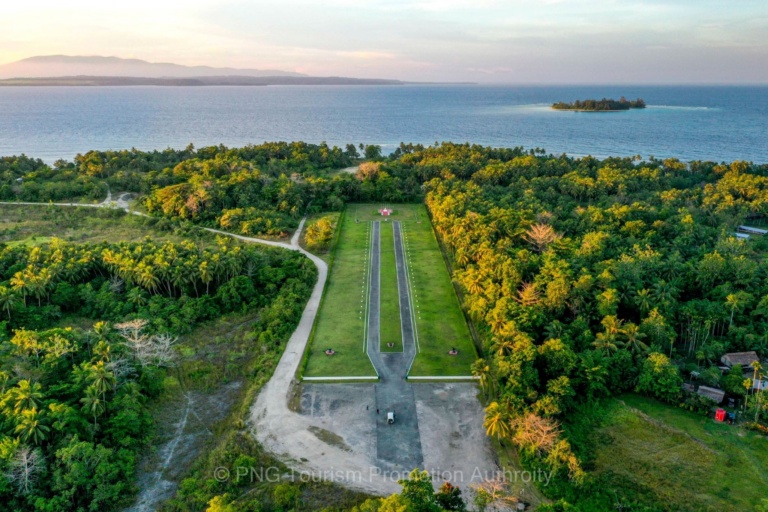
Main attractions in and near Wewak include: WWII Wom Memorial, Wom Beach, Mission Hill, Grand Chief Sir Michael Somare Memorial, and Japanese Peace Park.
Visitors can explore coastal villages, beaches, and offshore islands such as Muschu Island and Kairiru Island. The surrounding area also contains wartime relics connected to the Pacific campaign.
Wewak is commonly used as a starting point for Sepik River travel and village experiences.
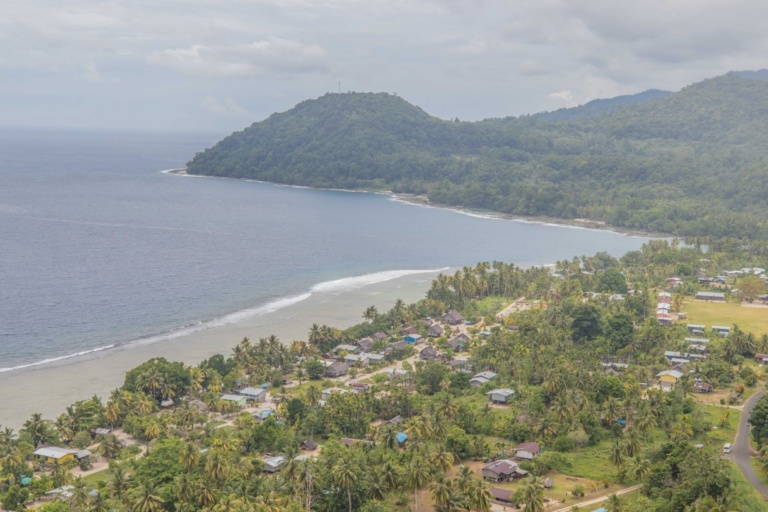
Vanimo gives the Momase Region a relaxed coastal atmosphere and access to surf beaches along PNG’s northern coastline.
The area is known for:
Vanimo also provides access to quieter coastal experiences away from PNG’s larger urban centres.
Momase Region culture is shaped by river communities, coastal villages, inland language groups, and artistic traditions.
The region contains significant cultural diversity, particularly along the Sepik River, where communities maintain distinct ceremonial and artistic practices. Coastal communities across Madang and Morobe also maintain strong fishing traditions and local market culture.
Across the region, visitors can experience:
Culture remains central to daily life throughout the Momase Region.
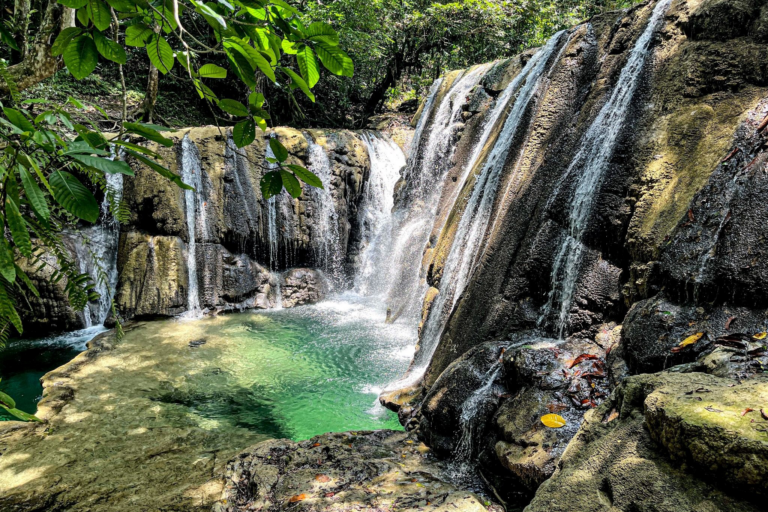
The Momase Region features some of Papua New Guinea’s most varied mainland landscapes.
The Sepik River system contrasts with Madang’s reefs and islands, while Morobe Province combines rainforest ranges with coastal environments around the Huon Gulf.
Natural features across the region include:
These landscapes support both tourism and local communities across the region.
The easiest way to travel through the Momase Region is by combining domestic flights, road travel, river transport, and boat-based experiences.
Flights connect Port Moresby with Lae, Madang, Wewak, and Vanimo. Boat transport remains important for island access and some river communities, particularly in East Sepik.
Road conditions vary across the region, especially during periods of heavy rainfall. Structured itineraries often simplify logistics across multiple provinces and transport types.
Travellers can explore broader travel options through the Itineraries & Packages page. Need advice on your Momase Region itinerary? Contact our friendly team.
The best time to visit the Momase Region depends on the province and activity.
Drier periods generally improve conditions for road travel, river journeys, diving, and coastal stays. Sea conditions can also affect island transfers and reef visibility.
Weather patterns vary between inland rainforest areas, river systems, and the northern coastline, so conditions may differ across the region throughout the year.
The Momase Region offers one of Papua New Guinea’s broadest mainland travel experiences.
Visitors gain access to:
The region combines culture, history, nature, and coastal travel within one connected mainland destination.
Planning travel through the Momase Region can involve river routes, coastal travel, and multiple provinces. Contact our friendly team for practical advice on where to go, when to travel, and how to experience the region with confidence.
Thank you for submitting your registration for the PNG Tourism Sector Legislation Review!
Spaces are limited per consultation, so only registered participants will be contacted.
Kind regards,
The Papua New Guinea Tourism Promotion Authority

Thank you for submitting your business form. We will have our team look over the details and then contact you once we have added your details to our website.