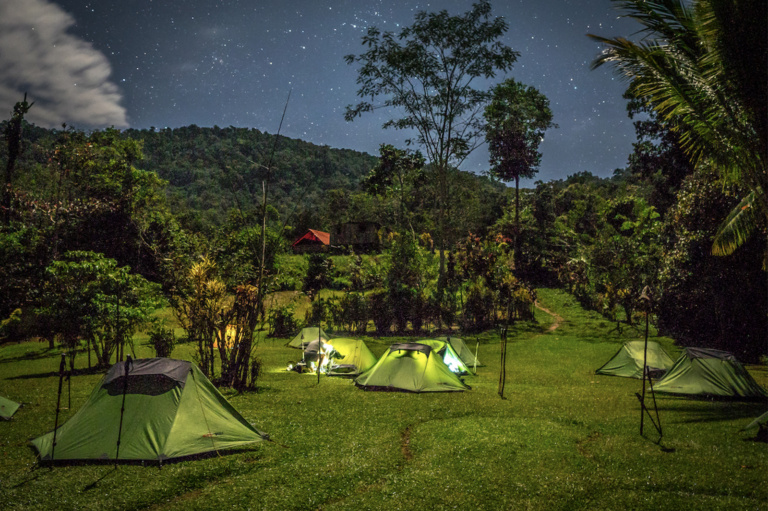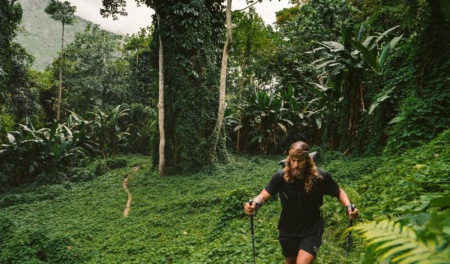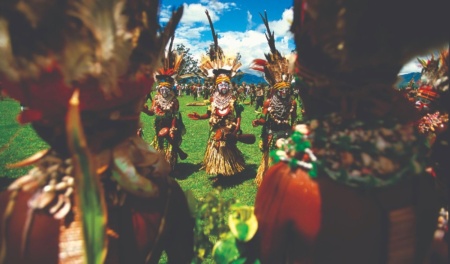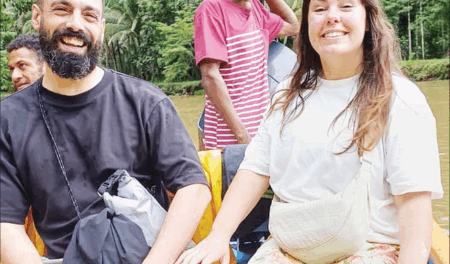
Preparing for the Kokoda Trail in Papua New Guinea requires physical training, the right gear, permits, and an understanding of terrain and conditions. Most trekkers spend 8 to 10 days crossing the 138-kilometre track through the Owen Stanley Range.
The Kokoda Trail Papua New Guinea is physically demanding, remote, and shaped by steep mountain terrain, dense rainforest, and changing weather. Preparation improves safety, reduces fatigue, and allows you to fully experience the track’s historical and cultural significance.
What To Expect On The Kokoda Trail
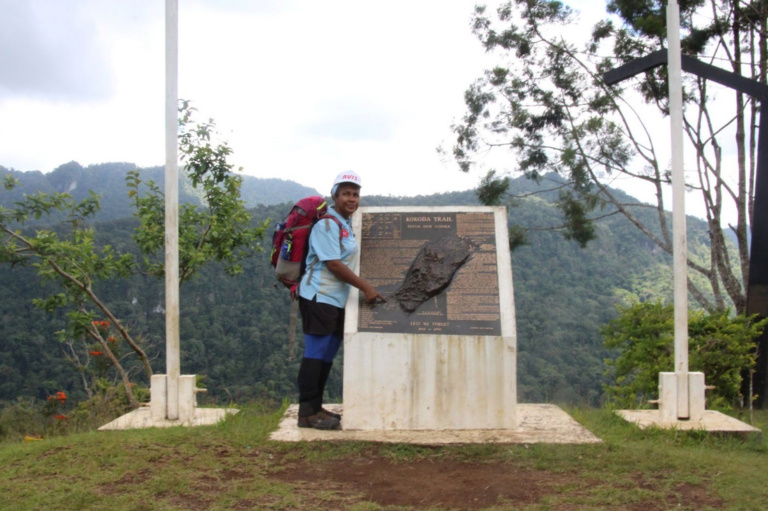
The Kokoda Trail in Papua New Guinea is a 138-kilometre trek across the Owen Stanley Range.
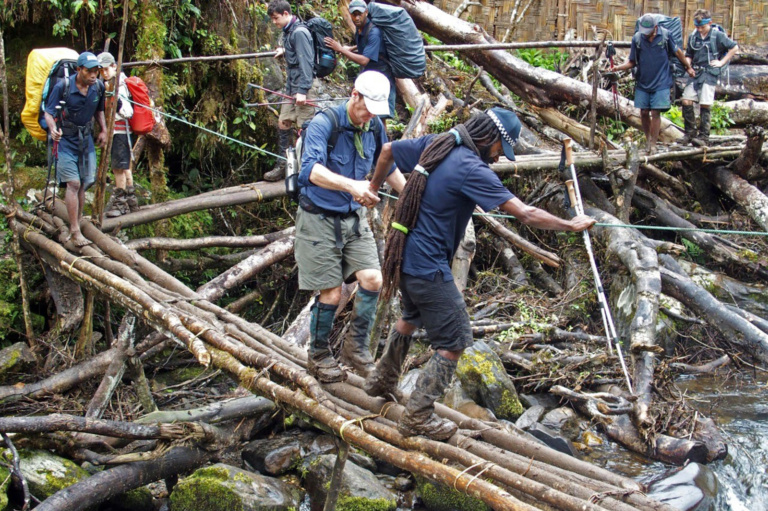
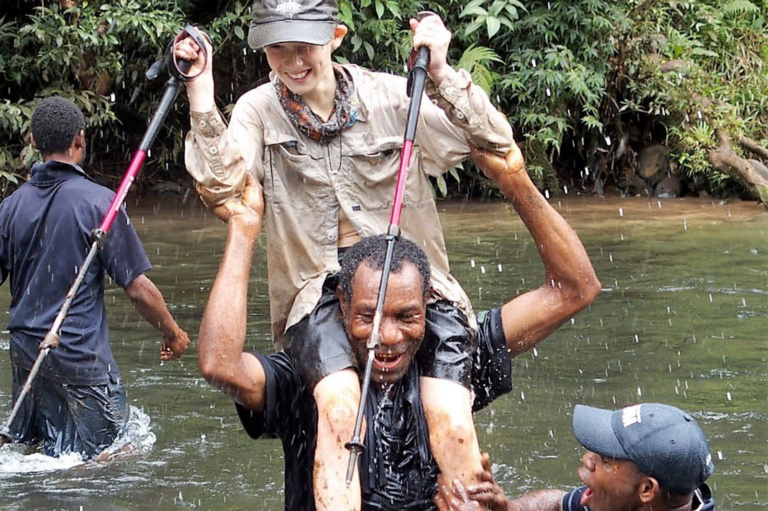
The track includes steep ascents, narrow ridgelines, muddy descents, and multiple river crossings. The highest point, Mount Bellamy, reaches approximately 2,190 metres above sea level.
Trekkers typically walk:
- 6 to 10 hours per day
- For 6 to 12 consecutive days
Weather conditions include high humidity, frequent rainfall, and warm daytime temperatures. Track conditions change quickly depending on rain and foot traffic.
How Fit Do You Need To Be For Kokoda?
Kokoda Trail preparation requires a strong base level of fitness and the ability to walk for multiple consecutive days on steep and muddy terrain.
Endurance is the most important factor. Trekkers need to maintain steady movement over long distances while managing fatigue.
Key fitness requirements include:
- Ability to walk for several hours without extended rest
- Strength for uphill and downhill sections
- Stability on uneven ground
- Recovery between consecutive trekking days
Consistency in training is more important than short bursts of high intensity.
Training For The Kokoda Trail
Effective Kokoda Trail training focuses on endurance, strength, and terrain-specific preparation.
Endurance Training
Build endurance through walking, hiking, stair climbing, and long-distance sessions. Aim for regular training across multiple days each week.
Strength Training
Focus on legs and core. Exercises such as squats, lunges, step-ups, and core stability work improve control on steep terrain.
Pack Training
Train with a loaded backpack to simulate trekking conditions. Start light and gradually increase weight to match your expected pack load.
Terrain Simulation
Train on hills, trails, and uneven surfaces where possible. Wet or muddy conditions help prepare for real track conditions.
Kokoda Trail Packing List
A Kokoda Trail packing list should prioritise lightweight gear, weather protection, and essential supplies.
| Category | Items |
| Clothing | Moisture-wicking shirts, lightweight shorts, rain jacket |
| Footwear | Broken-in hiking boots, multiple pairs of socks |
| Gear | Backpack, headlamp, trekking poles, dry bags |
| Health | First aid kit, insect repellent, sunscreen |
| Essentials | Water bottles, electrolyte tablets, snacks |
All gear should be tested during training to avoid issues during the trek.
Permits And Trek Requirements
Most trekkers complete the Kokoda Trail with licensed operators, who provide experienced guides, porters, and logistical support across the track.
All trekkers are required to obtain permits through the Kokoda Track Authority before starting the trek. These permits ensure access to the trail and support its ongoing management.
Licensed operators assist with:
- Trek planning and logistics
- Local guides and support teams
- Compliance with permit requirements
Examples of licensed operators include Adventure Kokoda, Buna Treks & Tours and PNG Trekking Adventures, both of which provide guided Kokoda Trail experiences.
Independent trekking is possible but less common due to the challenging terrain, remote conditions, and Kokoda Track Authority permit requirements.
Best Time To Trek The Kokoda Trail
The best time to trek the Kokoda Trail in Papua New Guinea is during the drier months when track conditions are more stable.
The drier season generally runs from May to October. During this period:
- Rainfall is lower
- River crossings are easier
- Track conditions are more predictable
The wet season brings heavier rain, increased mud, and more difficult conditions.
Health And Safety Considerations
Health and safety preparation is essential due to the Kokoda Trail’s remote location and challenging conditions.
Important considerations include:
- Staying hydrated throughout each day
- Managing fatigue and pacing
- Carrying a personal first aid kit
- Obtaining travel insurance
- Completing a medical check before trekking
Tropical conditions increase the risk of dehydration and illness, making preparation important before arrival.
What Makes The Kokoda Trail Unique
The Kokoda Trail combines physical challenge with historical and cultural significance.
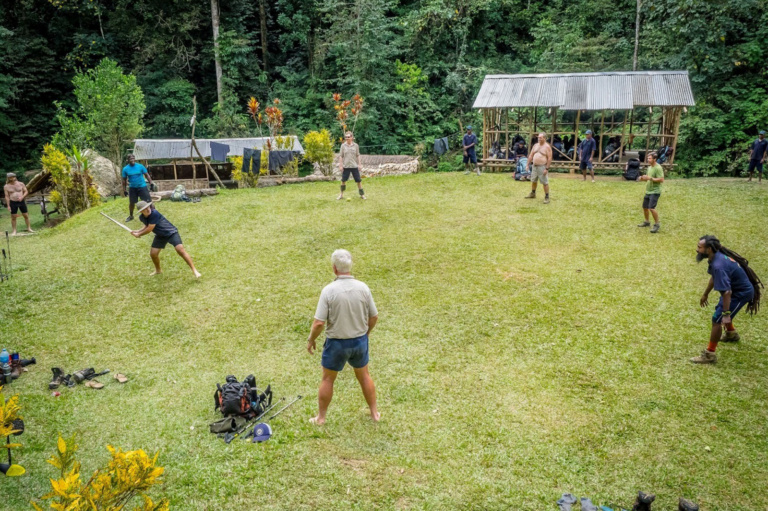
The track follows the route of the 1942 Kokoda Campaign, linking trekkers to key battle sites and wartime history. Along the way, trekkers pass through village communities where local culture and daily life remain central.
The experience includes:
- WWII historical sites
- Interaction with local communities
- Remote mountain and rainforest landscapes
This combination sets the Kokoda Trail apart from other trekking routes.
How To Prepare Mentally For Kokoda
Mental preparation is as important as physical training when completing the Kokoda Trail.
Trekkers face:
- Long days of walking
- Physical fatigue
- Changing conditions
Preparation includes:
- Setting realistic expectations
- Maintaining a steady pace
- Staying focused on daily progress
Consistency and resilience support completion of the trek.
Planning Your Kokoda Trail Trek
Planning a Kokoda Trail trek involves selecting a licensed operator, setting a timeline, and preparing well in advance.
Key planning steps include:
- Booking with an approved operator
- Allowing time for physical preparation
- Organising travel to Papua New Guinea
- Reviewing required permits and documentation
For more information, visit the Kokoda Trail Papua New Guinea page to understand route details and trekking options.
Why Preparation Matters
Proper preparation improves safety, performance, and overall experience on the Kokoda Trail Papua New Guinea.
Preparation helps:
- Reduce risk of injury
- Improve endurance across multiple days
- Increase confidence on challenging terrain
Trekkers who prepare effectively are better equipped to complete the track and engage with its history and environment.
FAQs
How hard is the Kokoda Trail?
The Kokoda Trail is physically demanding due to steep terrain, long trekking days, and humid conditions.
How long does the Kokoda Trail take?
Most treks take between 6 and 12 days to complete.
Do you need a guide for Kokoda?
Yes, all trekkers must travel with a licensed operator and guide.
What should I pack for Kokoda?
Lightweight clothing, hiking boots, rain gear, a backpack, and essential health items are required.
When is the best time to trek Kokoda Trail Papua New Guinea?
The best time is during the drier months from May to October.