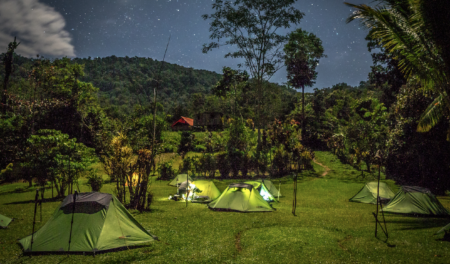
Papua New Guinea offers world-class trekking, diving, wildlife, and cultural experiences across four distinct regions. First-time visitors typically combine guided itineraries, domestic flights, and local experiences to explore the country safely and comfortably.
Home to more than 800 languages and hundreds of unique cultural groups, Papua New Guinea is one of the most diverse countries in the world. From mountain villages and active volcanoes to coral reefs, tropical islands, and historic trekking routes, every region offers something different. For first-time visitors, understanding where to go and how to travel can make planning much easier.
Is Papua New Guinea Worth Visiting?
Papua New Guinea is one of the most unique travel destinations in the world, combining living cultures, remote landscapes, and experiences that remain largely untouched by mass tourism.
Travellers visit Papua New Guinea to experience places and traditions that have remained strong for generations. Unlike many destinations across the Pacific, PNG offers opportunities to engage directly with local communities, explore remote environments, and experience cultural traditions that continue to play an active role in daily life.
Popular experiences include:
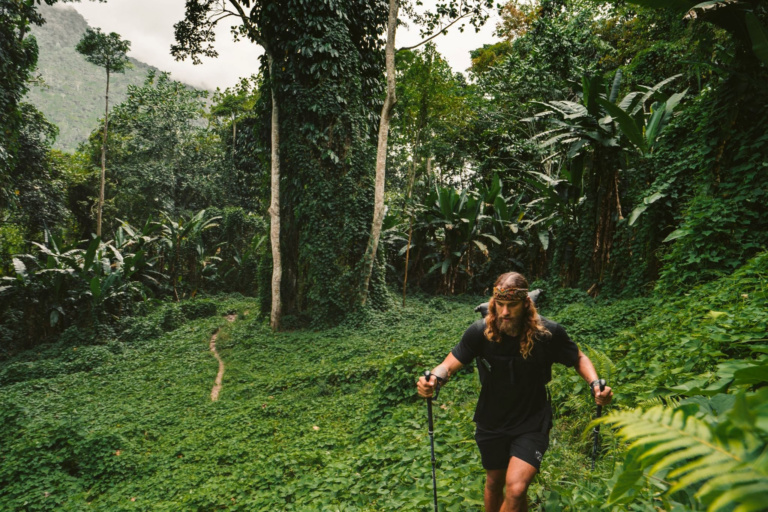
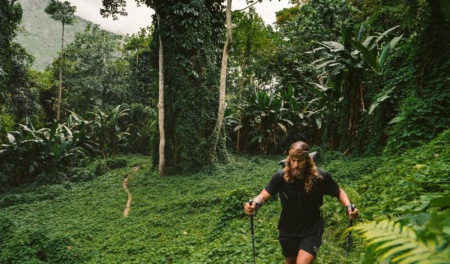
- Trekking the Kokoda Trail
- Visiting the Tufi Fjords
- Exploring the Sepik River
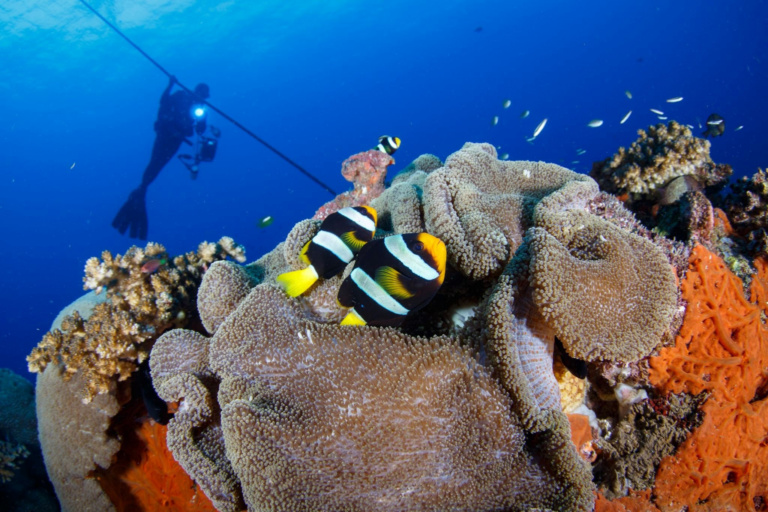
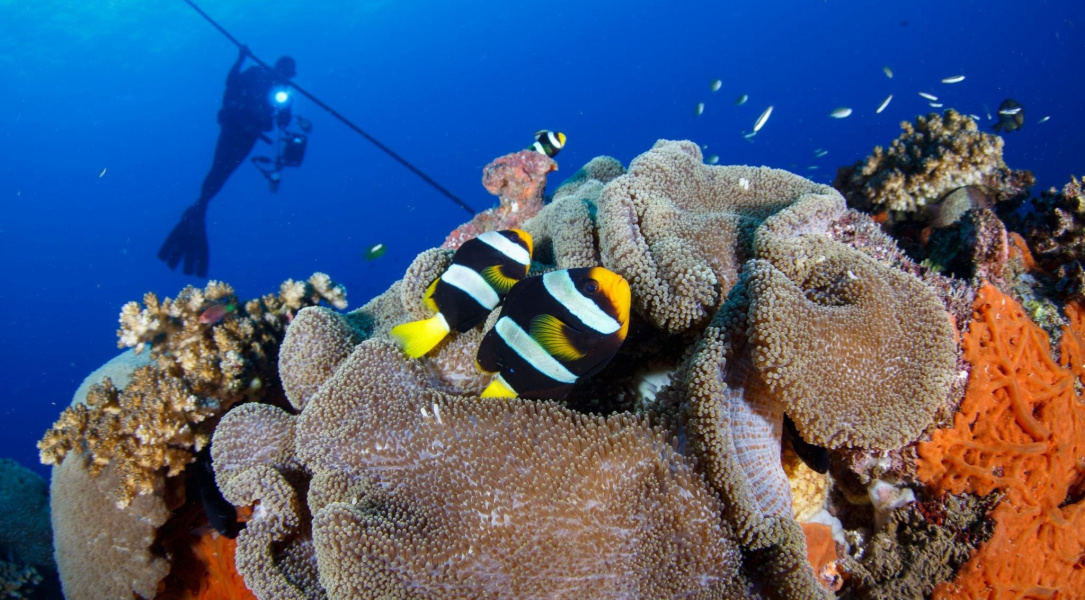
- Diving in Milne Bay and Kimbe Bay
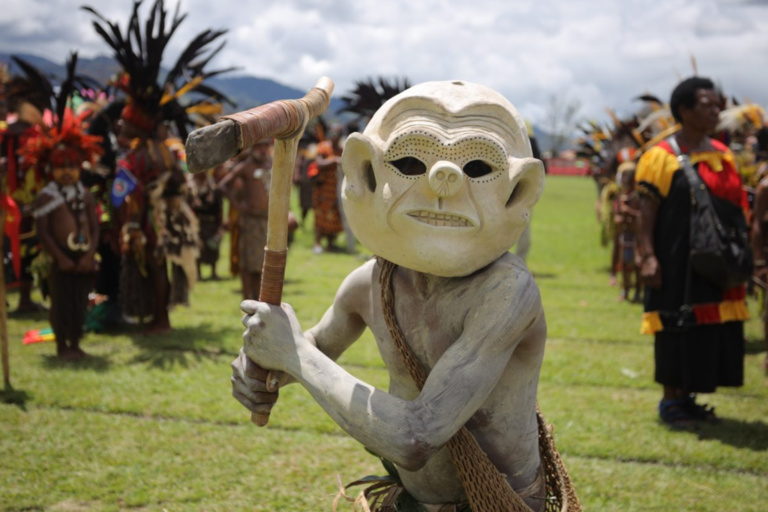
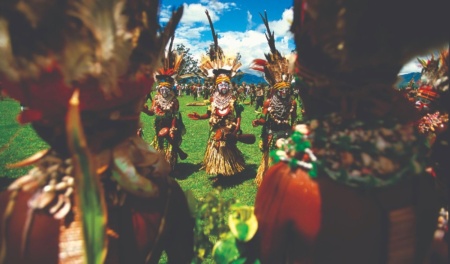
- Attending the Goroka Show
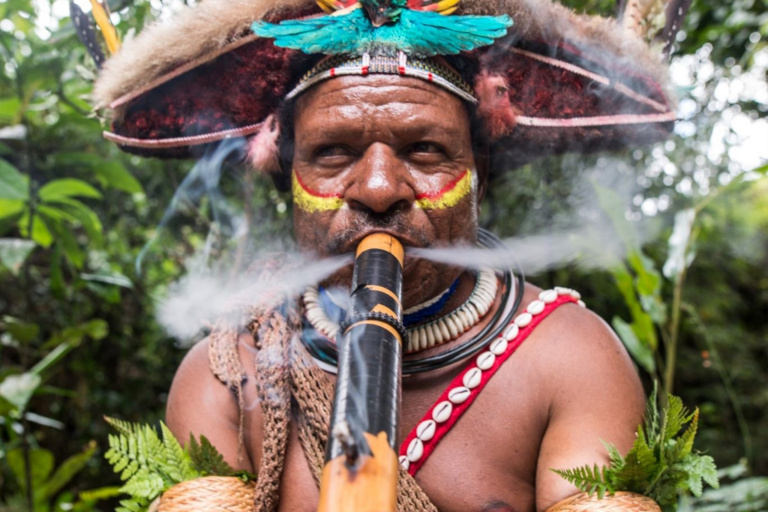
- Experiencing Huli culture in the Highlands
For many visitors, Papua New Guinea offers a level of authenticity that is increasingly difficult to find elsewhere.
Understanding Papua New Guinea's Four Regions
Papua New Guinea is divided into four regions, each offering different landscapes, cultures, and travel experiences.
Highlands Region
The Highlands Region is best known for culture, festivals, mountain scenery, and trekking.
Highlights include:
- Goroka Show
- Huli Wigmen
- Mount Wilhelm
- Coffee-growing valleys
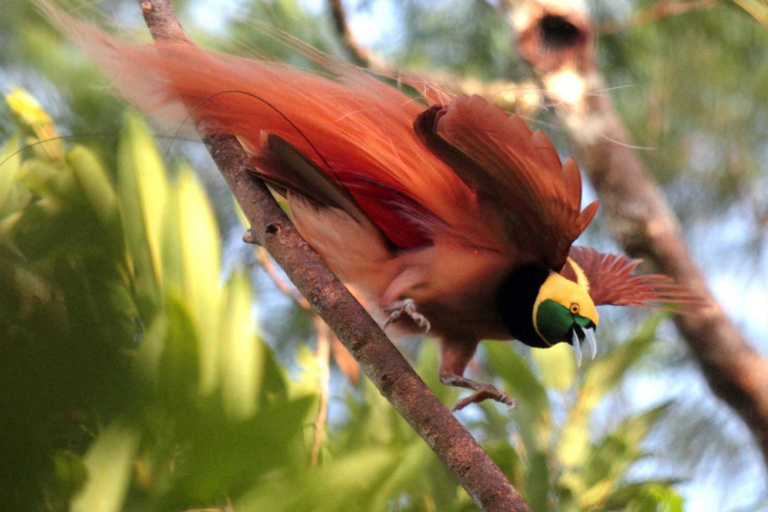
- Birdwatching and cultural experiences
The Highlands provide some of the country’s most recognisable cultural experiences and mountain landscapes.
New Guinea Islands Region
The New Guinea Islands Region is best known for diving, snorkelling, volcanic landscapes, and island culture.
Highlights include:
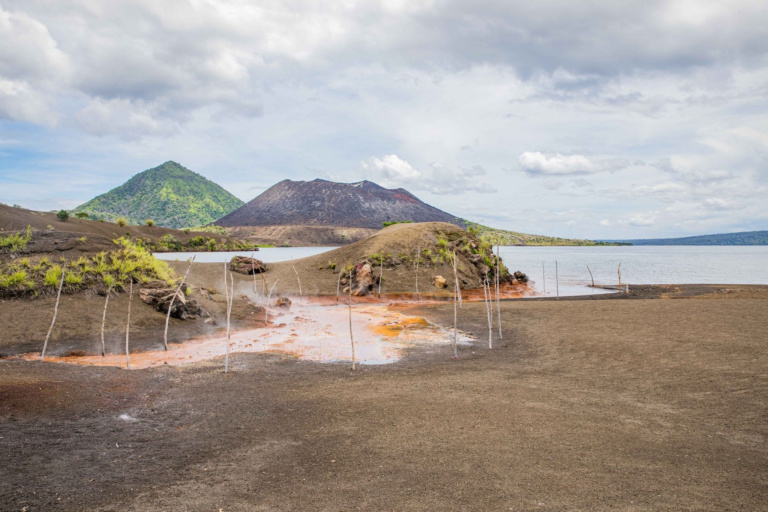
- Rabaul and its volcanoes
- Kavieng and New Ireland
- Kimbe Bay
- Bougainville
- WWII history sites
This region combines coral reefs, tropical islands, and coastal communities across some of Papua New Guinea’s most scenic island environments.
Momase Region
The Momase Region is known for river culture, coastal experiences, reefs, and local markets.
Highlights include:
- Sepik River
- Madang
- Wewak
- Vanimo
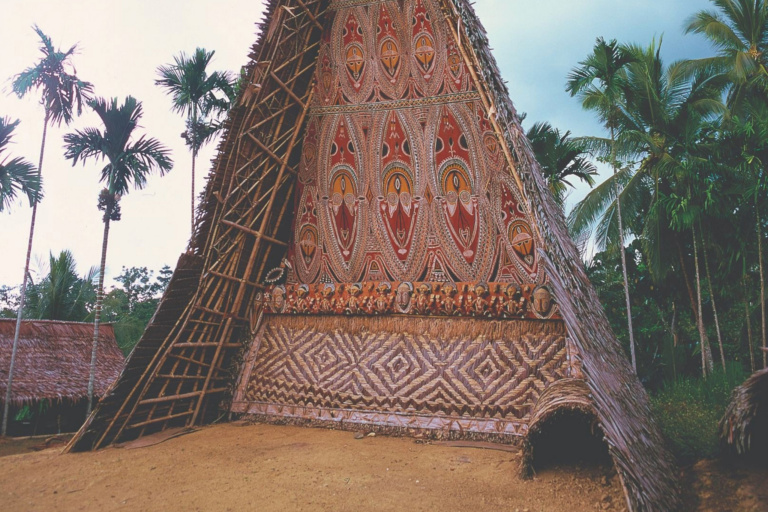
- Traditional carving and spirit houses
The region offers a mix of river journeys, coastal towns, cultural experiences, and marine environments.
Southern Region
The Southern Region is best known for Kokoda, Port Moresby, Milne Bay, and southern PNG’s coastal and river landscapes.
Highlights include:
- Kokoda Trail
- Port Moresby
- Milne Bay
- Tufi Fjords
- Fly River
Many first-time visitors begin their journey in the Papua Region due to its transport connections and iconic attractions.
How Long Should You Spend In Papua New Guinea?
Most first-time visitors spend between 7 and 14 days in Papua New Guinea.
| Trip Length | Recommended Focus |
| 5–7 Days | One region |
| 8–12 Days | Two regions |
| 13–16 Days | Multiple regions |
| 17+ Days | Comprehensive PNG itinerary |
Papua New Guinea is larger and more diverse than many travellers expect. Domestic travel often involves flights, boat transfers, and road journeys, making it difficult to see everything in a short period.
Focusing on one or two regions often results in a more enjoyable experience than trying to cover the entire country.
When Is The Best Time To Visit Papua New Guinea?
Papua New Guinea can be visited year-round, but weather conditions vary between regions and activities.
Many travellers prefer drier periods for trekking, road travel, and outdoor activities. Kokoda trekking is generally most popular during the drier months, while diving destinations such as Milne Bay, Kavieng, and Kimbe Bay attract visitors throughout the year.
Festival calendars may also influence travel plans, particularly for events such as the Goroka Show and the National Kenu and Kundu Festival.
The best time to visit ultimately depends on the destinations and experiences you wish to prioritise.
Do You Need A Tour Or Guide In PNG?
Most visitors experience Papua New Guinea through guided tours, local operators, or organised itineraries.
While independent travel is possible in some areas, organised travel often simplifies logistics and helps visitors make the most of their time. Domestic transport, local knowledge, cultural experiences, and access to remote destinations are often easier to arrange through experienced operators.
Many travellers choose structured itineraries that combine accommodation, transport, guides, and activities into a single package.
The Itineraries & Packages section and the Hello Poro campaign provide a range of options for visitors looking to experience different parts of Papua New Guinea.
What Should You Pack For Papua New Guinea?
Packing for Papua New Guinea depends on where you are travelling, but lightweight clothing, good footwear, and sun protection are essential.
Recommended items include:
- Lightweight clothing suitable for tropical conditions
- Comfortable walking shoes or hiking boots
- Rain jacket
- Sunscreen
- Insect repellent
- Reusable water bottle
- Camera or smartphone
- Binoculars for birdwatching and wildlife viewing
Travellers heading into the Highlands or trekking destinations should prepare for cooler temperatures and changing weather conditions.
Understanding PNG Culture And Etiquette
Respect for local communities and cultural traditions plays an important role in travel throughout Papua New Guinea.
Simple practices that help create positive experiences include:
- Asking permission before photographing people
- Respecting local customs and community rules
- Dressing appropriately when visiting villages
- Following guidance from local hosts and guides
- Supporting local businesses and communities where possible
Visitors who approach travel with curiosity and respect often gain deeper insights into the country and its people.
Common Questions First-Time Visitors Ask
Is Papua New Guinea Safe To Visit?
Many visitors travel throughout Papua New Guinea each year as part of organised tours, guided treks, and structured itineraries. As with any destination, planning ahead, following local advice, and using reputable operators helps create a smoother travel experience.
Can You Travel Independently?
Independent travel is possible in some locations, but many visitors choose guided travel due to logistics, transport requirements, and access to cultural experiences.
What Currency Is Used?
Papua New Guinea uses the Papua New Guinean Kina (PGK).
What Languages Are Spoken?
Papua New Guinea has three official languages: English, Tok Pisin, and Hiri Motu. More than 800 local languages are also spoken throughout the country.
Do I Need A Visa?
Visa requirements vary depending on nationality. Visitors should check current entry requirements before travelling.
Suggested First-Time PNG Itineraries
The best first-time itinerary depends on your interests and available travel time.
Culture And Highlands
- Goroka
- Mt Hagen
- Tari
- Village experiences
- Cultural festivals
Diving And Islands
- Milne Bay
- Kavieng
- Kimbe Bay
- Island resorts
History And Adventure
- Kokoda Trail
- Port Moresby
- Tufi Fjords
- WWII sites
Culture And River Life
- Sepik River
- Madang
- Wewak
- Village visits
Each itinerary highlights a different side of Papua New Guinea and can be tailored to suit available travel time.
Why Papua New Guinea Leaves A Lasting Impression
Papua New Guinea offers experiences that are increasingly rare in modern travel, with strong cultural traditions, remote landscapes, and meaningful connections to local communities.
Visitors gain access to:
- Four distinct travel regions
- Living cultural traditions
- World-class diving and snorkelling
- Historic trekking routes
- Diverse wildlife and birdlife
- Remote landscapes and island environments
Rather than a single destination, Papua New Guinea is a collection of experiences that continue to surprise even experienced travellers.
Need Help Planning Your First Trip To Papua New Guinea?
Whether you’re interested in trekking, diving, cultural experiences, wildlife, or exploring multiple regions, our friendly team can help you choose the right itinerary and make the most of your time in Papua New Guinea.