
More info
Find Travel Agents Near You
The Tufi Fjords are volcanic fjord-like inlets in Oro Province on Papua New Guinea’s north-east coast. They formed from ancient eruptions that carved deep channels, creating sheer rainforest walls, sheltered bays, and some of the country’s most striking coastal scenery.
Attribute | Detail |
Location | Oro Province, north-east coast of Papua New Guinea |
Geological Type | Drowned volcanic fjords formed by ancient eruptions |
Number of Inlets | More than 20 fjord-like coastal inlets across the Cape Nelson area |
Depth Range | Deep channels with sheltered bays and steep volcanic walls |
Best Visiting Months | May to October for calmer seas and clearer visibility |
Activities Available | Snorkelling, diving, kayaking, village visits, coastal walks |
Access Options | Domestic flights to Tufi airstrip, boat access from nearby coastal towns |
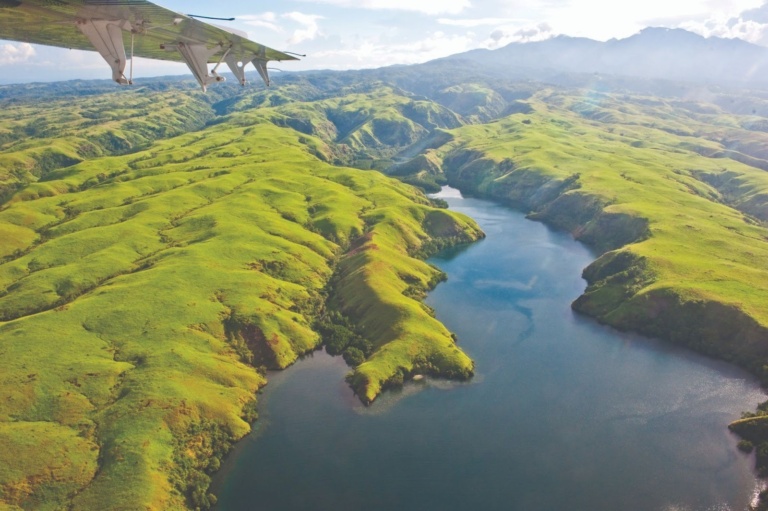
The Tufi Fjords are located in Oro Province on Papua New Guinea’s north-east coast. They sit along the Cape Nelson headlands, where a network of deep volcanic inlets cuts into steep rainforest-covered cliffs.
Tufi is the closest township and acts as the main access point for visitors. Travellers reach the area through domestic flights to Tufi Airstrip or by boat from nearby coastal communities. Tufi lies roughly 250 kilometres east of Port Moresby, giving visitors a remote but easily accessible base from which to explore the fjord system.
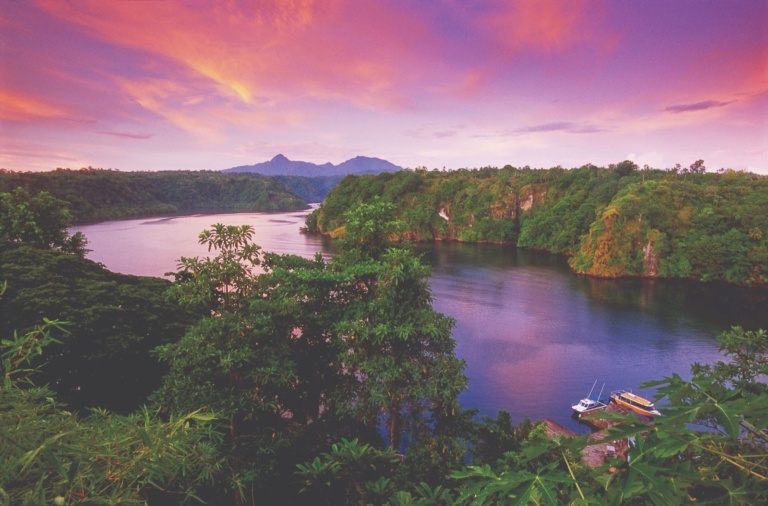
The Tufi Fjords are significant as one of the few tropical fjord systems in the world, shaped by ancient volcanic eruptions that carved deep channels into the coastline. These drowned volcanic valleys now form sheltered turquoise bays, sheer cliffs, and dense rainforest edges that create a dramatic natural landscape.
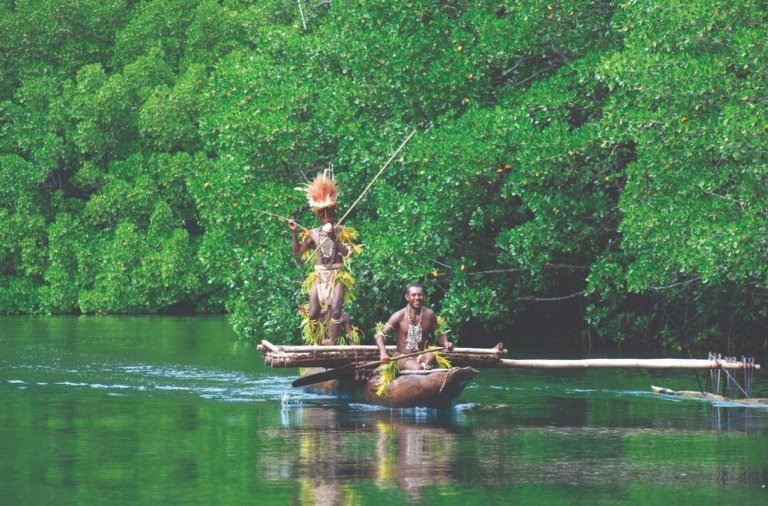
The region holds strong cultural value for the communities of Oro Province, with long-standing traditions, local craftsmanship, and a close relationship with the sea. Clear waters, coral-rich marine habitats, and distinctive volcanic formations make the fjords an important environmental and cultural landmark in Papua New Guinea.
Visitors experience the Tufi Fjords through calm-water kayaking, clear-water snorkelling and diving, village visits, scenic boat trips, and short coastal hikes that reveal rainforest cliffs, coral reefs, and sheltered volcanic inlets.
Activity | Difficulty | Duration | What You’ll See |
Diving | Moderate | 1–2 hours | Coral walls, tropical fish, reef sharks, clear volcanic channels. |
Snorkelling | Easy | 1 hour | Shallow coral gardens, colourful reef species, calm sheltered bays. |
Kayaking | Easy to Moderate | 1–3 hours | Deep fjord-like inlets, steep cliffs, rainforest edges, quiet waterways. |
Village Tours | Easy | 1–2 hours | Local traditions, tapa cloth making, community life in Oro Province. |
Coastal Hikes | Moderate | 1–3 hours | Lookout points, rainforest tracks, scenic views across Cape Nelson. |
The Tufi Fjords are closely tied to the cultural heritage of communities in Oro Province. Local traditions influence daily life across the inlets, with craftsmanship, storytelling, and strong community ties shaping the region’s identity.
Tapa cloth making is one of the area’s most recognised cultural practices, with barkcloth designs created for ceremonies, trade, and community use. Village tours give visitors a chance to learn about these traditions, as well as local food, gardening, and coastal living.
Travellers can engage respectfully by seeking permission before entering villages, supporting locally run experiences, and following guidance from community hosts. These gestures help maintain positive relationships and support cultural preservation.
Visitors can see coral reefs, volcanic cliffs, dense rainforest, and a range of marine and coastal wildlife throughout the fjords.
The sheltered inlets offer clear views of coral gardens, tropical fish such as clownfish, and occasional reef sharks in deeper channels. Coastal birdlife is common along the headlands, with species often seen moving between rainforest edges and the open sea.
Traditional villages sit along several of the inlets, providing insight into community life and the long-standing connection between people and the surrounding landscape.
Most travellers reach the Tufi Fjords through a combination of air and boat transport:
Domestic flights to Tufi
Connections via Popondetta
Boat transport within the region
Onward travel once in Tufi
Accommodation around the Tufi Fjords ranges from lodges to guesthouses set within the headlands. Most options focus on giving visitors direct access to the fjords, reef systems, and nearby villages.
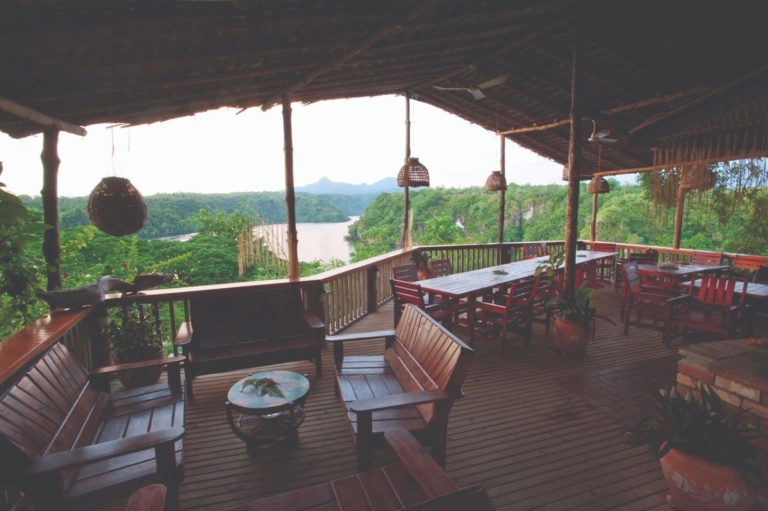
Tufi Dive Resort is the main lodge in the area and sits on a cliff overlooking the fjords. It offers comfortable rooms, views across the inlets, and support for activities such as diving, snorkelling, and fjord trips. The lodge is also a common base for travellers wanting easy boat access to the outer reefs.
Guesthouse stays in surrounding villages provide a quieter and more community-focused stay. These stays often include home-style meals, insight into local traditions, and a chance to learn about tapa cloth making, gardening, and coastal life. They also offer convenient starting points for walking tracks and small boat excursions into nearby inlets.
Most accommodations in the region help arrange transport, guided outings, or access to the reef and fjord systems, giving travellers a practical base for exploring one of Papua New Guinea’s most distinctive coastal landscapes.
Ready to wake up to rainforest cliffs and glass-calm fjords? If you’re planning a trip and have questions or want advice on where to stay, contact our team and start shaping your Tufi adventure.

Thank you for submitting your registration for the PNG Tourism Sector Legislation Review!
Spaces are limited per consultation, so only registered participants will be contacted.
Kind regards,
The Papua New Guinea Tourism Promotion Authority

Thank you for submitting your business form. We will have our team look over the details and then contact you once we have added your details to our website.