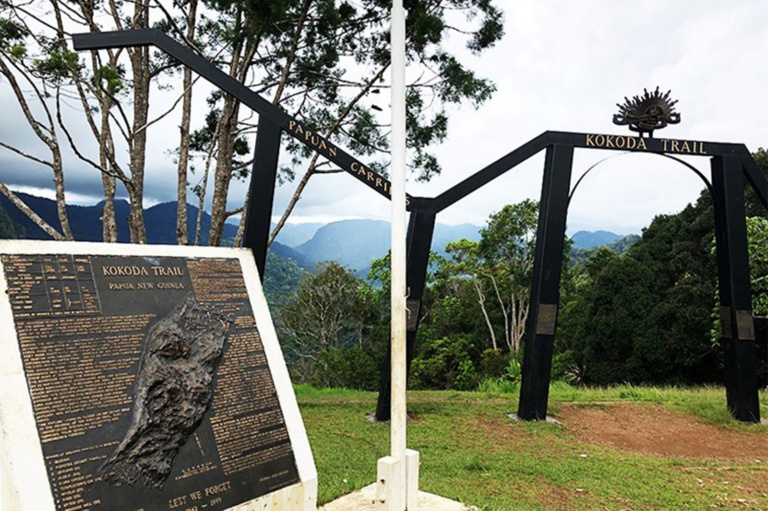
The Kokoda Trail history centres on the 1942 Kokoda Campaign, where Australian forces and Papua New Guinean carriers fought Japanese troops across a 96-kilometre track. The campaign became a turning point in protecting Port Moresby during World War II.
The Kokoda Trail runs through the Owen Stanley Range in Papua New Guinea, linking Owers’ Corner in the Central Province near Port Moresby to the village of Kokoda in the Northern (Oro) Province. Today, it stands as both a historical site and one of the most recognised trekking routes in the Pacific.
What Is The Kokoda Trail?
The Kokoda Trail is a 96-kilometre track across the Owen Stanley Range in Papua New Guinea.
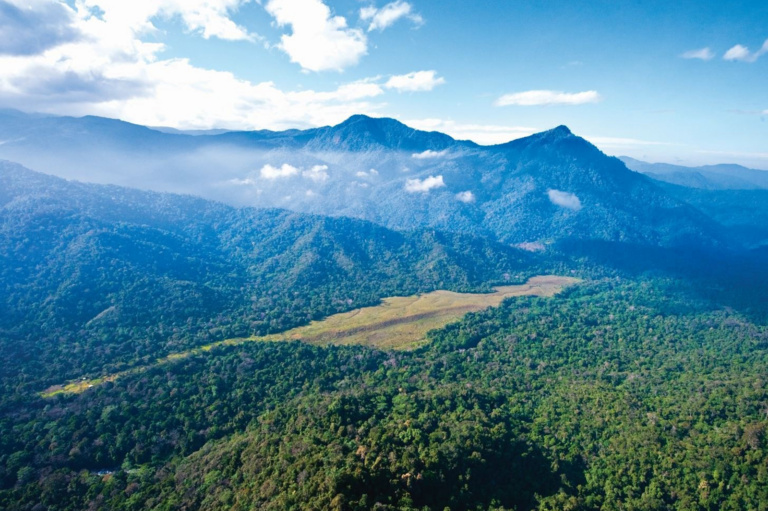
The trail crosses steep mountain ridges, dense rainforest, and fast-flowing rivers, reaching its highest point at Mount Bellamy at approximately 2,190 metres above sea level.
Kokoda passes through customary land belonging to the Koiari people of the Central Province, and the Biage people of the Northern (Oro) province.
Before World War II, the track officially served as a colonial mailing and supply route. Today, local communities continue to use the track for trade and travel between coastal and inland villages.
During the war, this same route became a critical military pathway between the northern coast and Port Moresby.
Why The Kokoda Campaign Happened
The Kokoda Campaign began in July 1942 when Japanese forces advanced across the Kokoda Trail to capture Port Moresby.
Japanese troops landed on the northern coast at Buna and Gona with the objective of taking Port Moresby by land. Control of Port Moresby would have provided a strategic base for further operations in the Pacific and increased pressure on Australia.
Australian forces were deployed to defend the track and prevent the Japanese advance from reaching the southern coast.
Kokoda Trail History Timeline (1942)
The Kokoda Trail campaign took place over four months between July and November 1942.
| Date | Event |
| July 1942 | Japanese forces land at Buna and Gona |
| July 1942 | First clashes occur near Awala and Kokoda Station |
| August 1942 | Australian forces withdraw south along the track |
| August 1942 | Battle of Isurava takes place |
| September 1942 | Battle of Brigade Hill forces further retreat |
| September 1942 | Japanese reach Ioribaiwa Ridge |
| October 1942 | Australian forces begin counteroffensive |
| November 1942 | Japanese withdraw to northern beachheads |
This timeline reflects the shift from initial Japanese advance to eventual Allied push north.
Key Battles Of The Kokoda Trail
The Kokoda Trail campaign included several major battles that defined its outcome.
Battle of Kokoda
The Battle of Kokoda marked the first major engagement and focused on control of the Kokoda airstrip, which was critical for supply and reinforcement.
Battle of Isurava
The Battle of Isurava became one of the most recognised engagements of the campaign. Australian troops held their position under sustained pressure. Private Bruce Kingsbury was awarded the Victoria Cross for his actions during this battle.
Battle of Brigade Hill
The Battle of Brigade Hill resulted in a major withdrawal of Australian forces and disrupted defensive formations along the track.
Ioribaiwa Ridge
Ioribaiwa Ridge marked the closest point the Japanese reached to Port Moresby. From this position, the southern coastline was within sight. Shortly after, Japanese forces began to withdraw due to supply limitations and shifting strategic priorities.
The Role Of The Fuzzy Wuzzy Angels
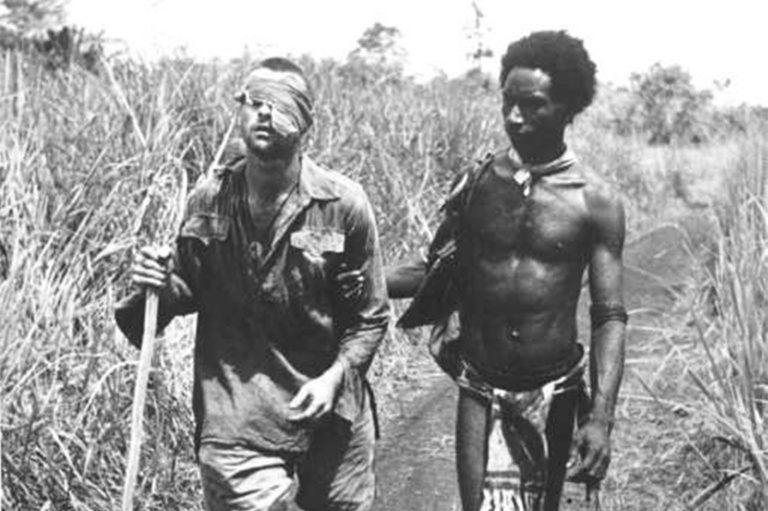
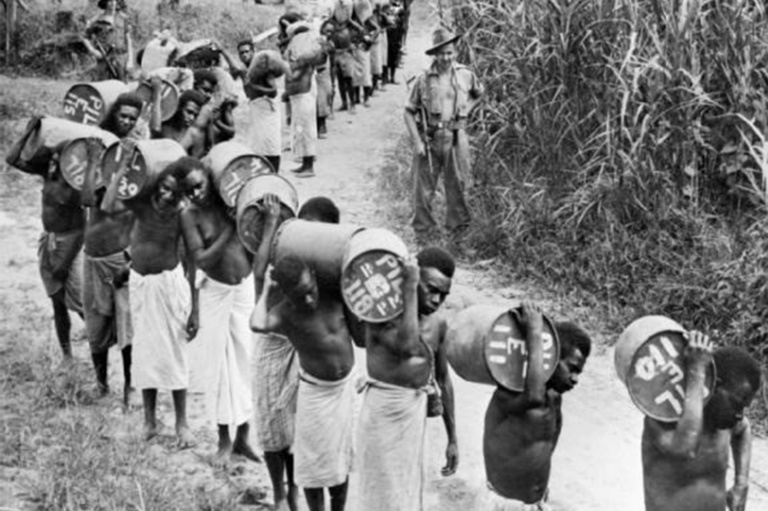
Papua New Guinean carriers, known as the Fuzzy Wuzzy Angels, played a critical role in the Kokoda Trail campaign.
These carriers were local villagers recruited to support Allied forces. They carried supplies, transported equipment, and evacuated wounded soldiers along the track.
Their contribution included:
- Carrying injured soldiers over steep terrain
- Delivering food, ammunition, and medical supplies
- Guiding troops through unfamiliar jungle environments
The term “Fuzzy Wuzzy Angels” was used by Australian soldiers as a sign of respect for their care and support under difficult conditions.
Conditions On The Kokoda Trail
Conditions on the Kokoda Trail were defined by steep terrain, tropical climate, and limited supply access.
The track included narrow ridgelines, thick mud, and river crossings that became more difficult during heavy rainfall. Soldiers faced continuous exposure to heat, humidity, and fatigue.
Disease affected both sides, with malaria, dysentery, and tropical infections common. Supply lines were limited, making food and medical resources scarce throughout the campaign.
Why The Kokoda Campaign Was Important
The Kokoda Campaign stopped the Japanese advance toward Port Moresby and prevented further expansion south into Australia.
This outcome protected a key Allied position in Papua New Guinea and reduced the risk of increased military pressure on Australia. The campaign also formed part of a broader shift in the Pacific War, where Allied forces began to regain momentum.
The defence of the Kokoda Trail remains one of the most significant military efforts involving Australian forces in World War II.
Kokoda Trail History Facts
Key Kokoda Trail history facts highlight the scale and difficulty of the campaign:
- Length: 96 kilometres
- Highest point: Mount Bellamy (2,190 metres)
- Campaign duration: July to November 1942
- Closest Japanese advance: Ioribaiwa Ridge
- Key participants: Australian forces, Japanese forces, Papua New Guinean carriers
These facts reflect both the physical and strategic importance of the Kokoda Trail.
Kokoda Trail Today
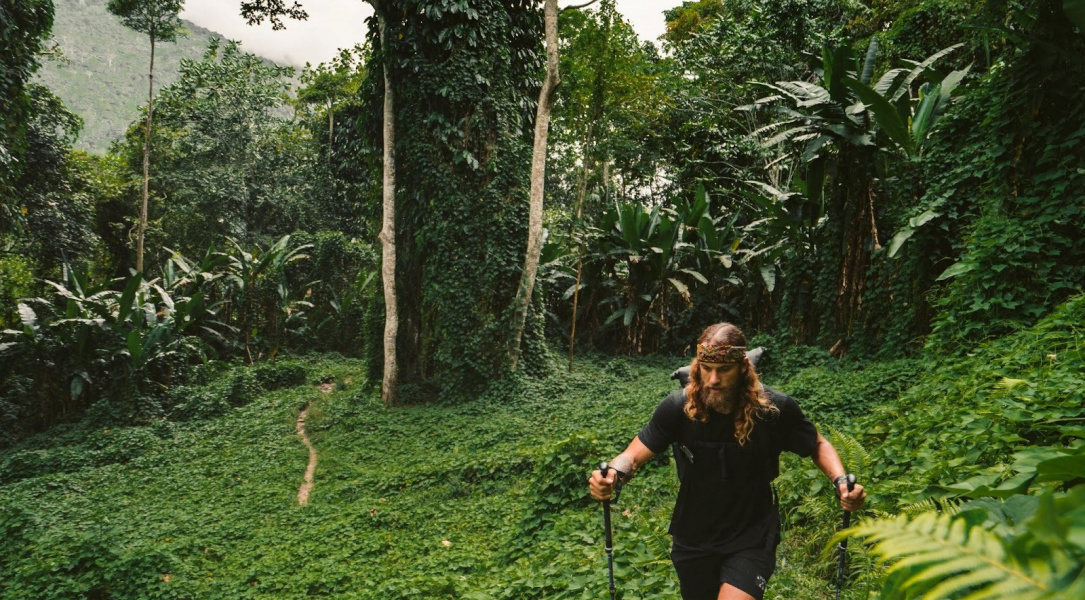
The Kokoda Trail is now a 138km trekking route that follows the path of the 1942 campaign.
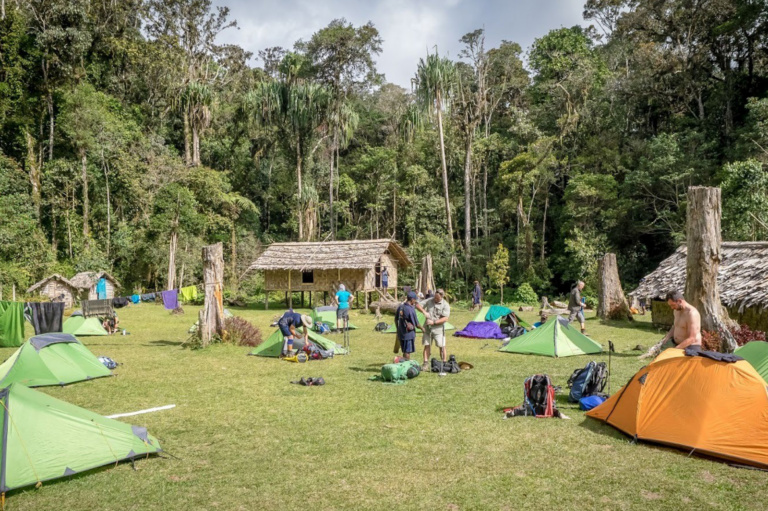
Treks typically take 8 to 10 days and pass through historical battle sites, village communities, and natural landmarks. Guided treks provide context for the events that took place along the track.
The trail remains both a physical challenge and a historical experience, connecting visitors directly to the landscape of the campaign.
Why Kokoda Trail History Still Matters
Kokoda Trail history remains central to both Australian and Papua New Guinean identity.
The campaign represents cooperation between Australian soldiers and Papua New Guinean communities. It also reflects endurance under difficult conditions and the importance of local knowledge in navigating the terrain.
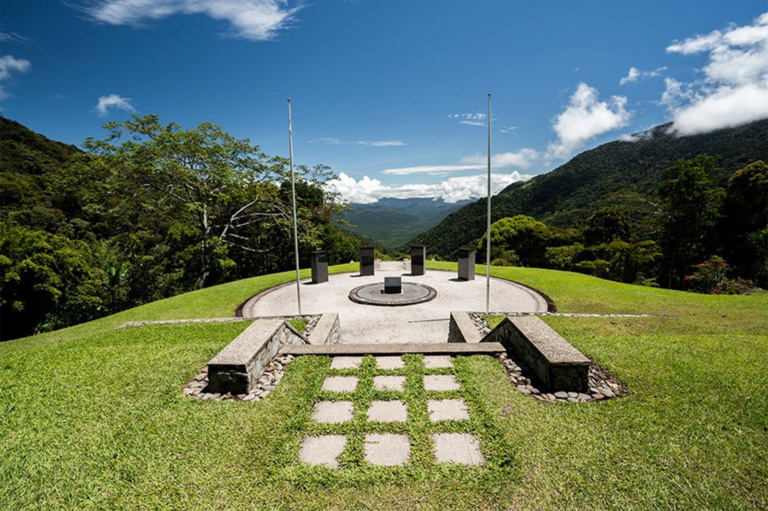
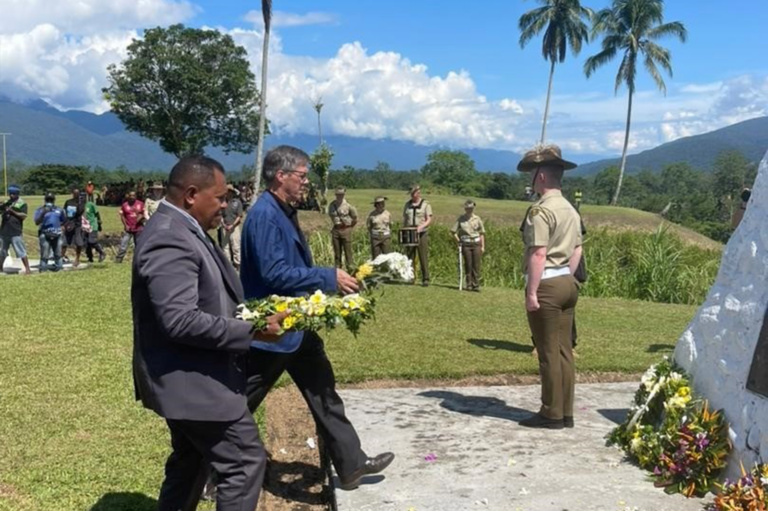
Today, the Kokoda Trail stands as a place of remembrance, education, and shared history.
FAQs
What is the Kokoda Trail known for?
The Kokoda Trail is known for the 1942 Kokoda Campaign, where Australian forces and Papua New Guinean carriers defended against Japanese advancement.
Why did the Kokoda campaign happen?
The campaign occurred when Japanese forces attempted to capture Port Moresby by advancing across the Kokoda Trail.
How long is the Kokoda Trail?
The Kokoda Trail is approximately 96 kilometres long.
Who were the Fuzzy Wuzzy Angels?
The Fuzzy Wuzzy Angels were Papua New Guinean carriers who supported Allied troops by transporting supplies and evacuating wounded soldiers.
When did the Kokoda campaign take place?
The Kokoda Campaign took place between July and November 1942.