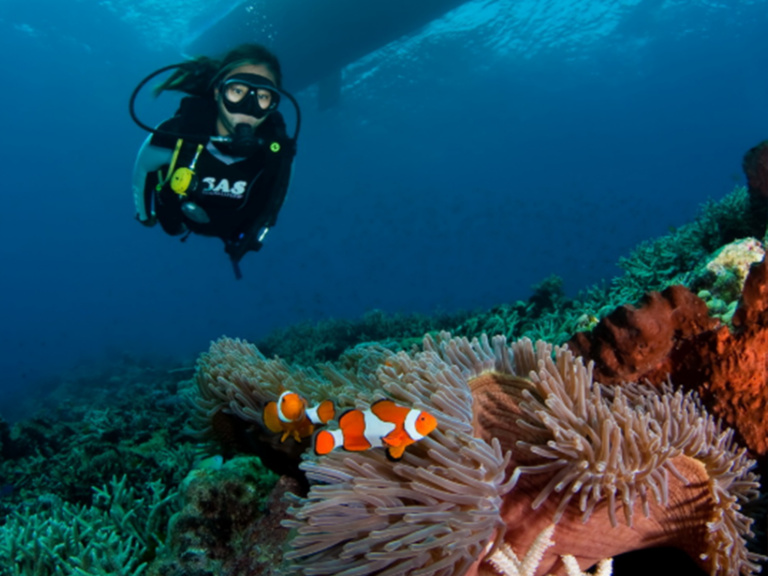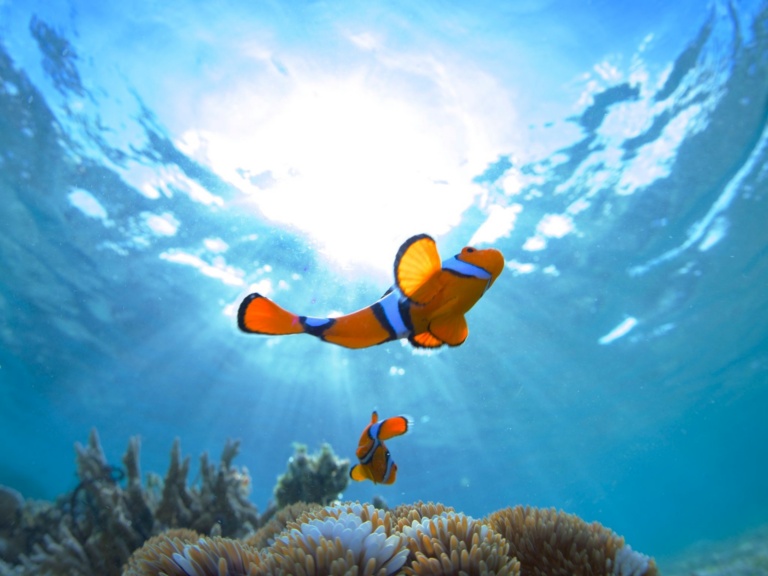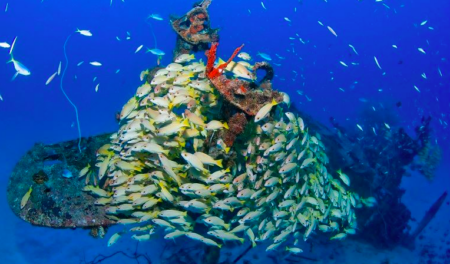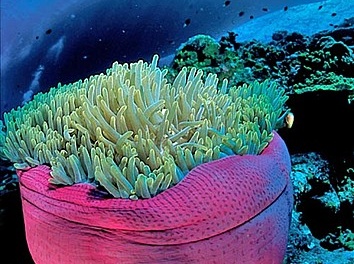
Papua New Guinea is widely known as an underwater photographer’s paradise. Clear water, varied terrain and marine life ranging from tiny nudibranchs to reef sharks create opportunities for wide-angle, macro and wreck photography.
Experienced operators run day trips from established Papua New Guinea dive resorts, while liveaboards reach reefs and islands that are difficult to access from shore. Dive conditions vary between regions, so travellers can choose calm coral gardens, current-driven passages, deep walls or historic wrecks based on their certification and experience.
| Diving quick facts | Details |
| Diving season | Year-round |
| General high season | May to November |
| Typical water temperature | Approximately 25°C to 29°C |
| Dive styles | Reef, wall, wreck, muck, drift and liveaboard |
| Major regions | Bootless Bay, Milne Bay, Kimbe Bay, Tufi, Kavieng, Madang and East New Britain |
Conditions differ across the Coral Sea, Bismarck Sea and surrounding island groups. Confirm local visibility, currents and seasonal conditions with your chosen operator before booking.
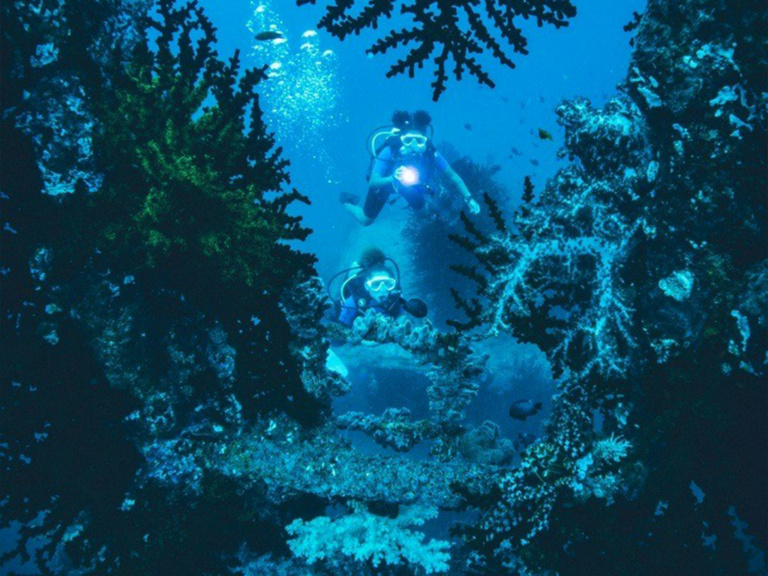
Situated approximately 20 km southeast of Port Moresby, Bootless Bay features a wealth of over 29 vibrant dive sites. The area is home to compelling wrecks at Horseshoe Reef, including the Pacific Gas and MV New Marine, alongside diverse marine life such as macro critters and reef sharks. Divers can easily access these locations through local operations like Pro Dive PNG and Loloata Island Resort.
Milne Bay Province offers coral gardens, reef walls, muck diving and WWII sites across more than 600 islands. The region is closely associated with the early development of muck diving, where divers search sandy and silty habitats for unusual macro species. Alotau provides access to dive resorts, charter vessels and liveaboard itineraries.
Kimbe Bay in West New Britain is known for coral reefs, offshore pinnacles and encounters with pelagic marine life. One of its most memorable wreck dives is an intact Japanese Zero fighter aircraft. Walindi Plantation Resort and liveaboard services provide access to sites across the bay and the wider New Britain area.
Tufi in Oro Province combines tropical fjord-like rias with outer reefs, steep drop-offs and coral gardens. Divers visit the area for reef life, moray eels and the possibility of hammerhead sightings. The coast also supports snorkelling, kayaking and village-based cultural experiences.
Kavieng in New Ireland Province provides access to coral reefs, drop-offs, passages and WWII wrecks. Sites range from relaxed reef dives to areas affected by stronger currents, giving both developing and experienced divers options when conditions suit their ability.
Madang Province features barrier reefs, offshore islands and wartime wrecks along PNG’s northern coast. Madang town is a useful base for boat diving, snorkelling and island visits, with nearby reefs adding an easy marine component to a cultural or eco-tourism itinerary.
East New Britain Province brings together volcanic scenery and WWII history. Diving around Rabaul, Kokopo and the Duke of York Islands includes reefs, wreck sites and coastal waters shaped by the region’s volcanic landscape.
PNG’s underwater terrain supports several distinct types of diving:
Not every site suits every diver. Sheltered reefs may be appropriate for newer divers, while strong currents, deeper wrecks and exposed offshore locations require suitable training and recent experience.
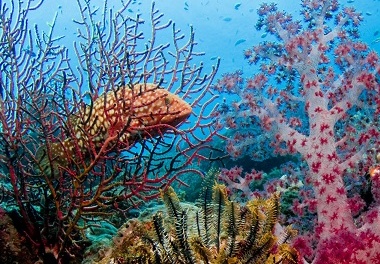
Marine life varies by province, season, depth and habitat. Across PNG, divers encounter hard and soft corals, reef fish, turtles, rays, sharks and a broad range of macro life.
| Marine life | Where it may be encountered |
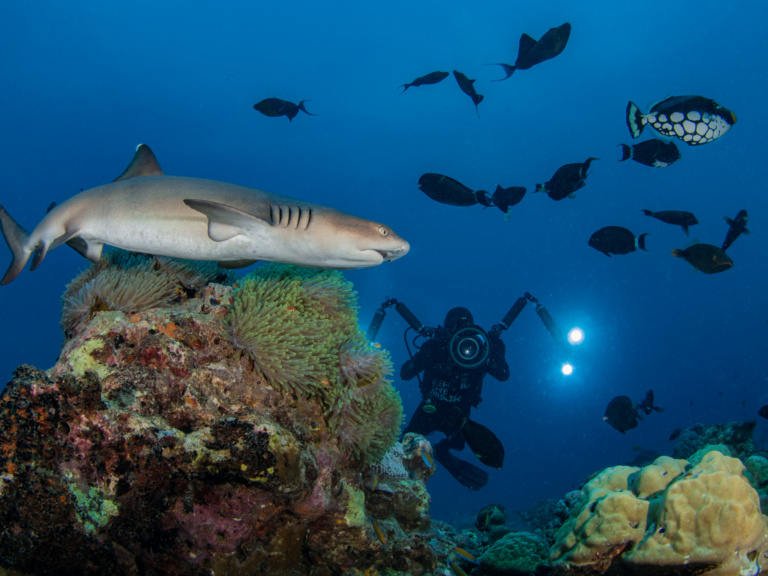
| Reef sharks and schooling fish | Kimbe Bay, Kavieng, Bootless Bay and offshore reefs |
| Hammerhead sharks | Selected sites around Tufi and Milne Bay |
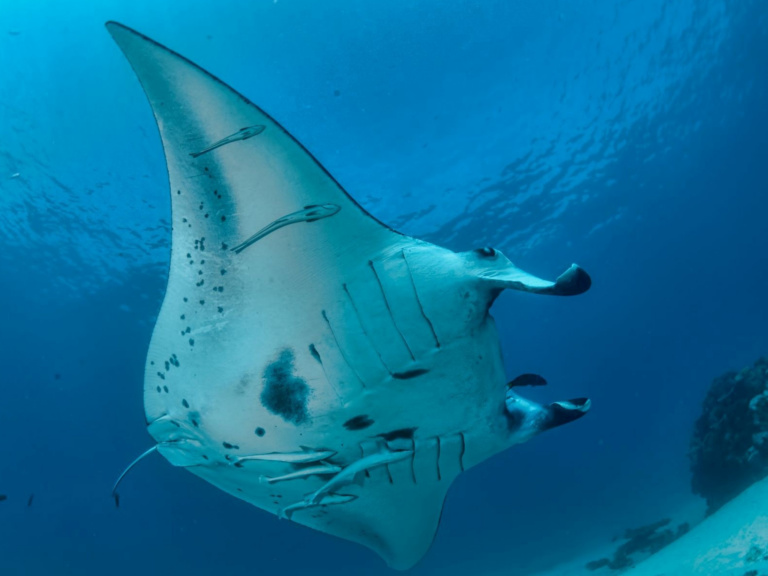
| Manta rays | Milne Bay and other feeding or cleaning sites |
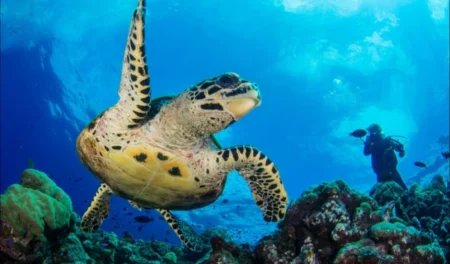
| Sea turtles | Reef systems across several coastal provinces |
| Nudibranchs, frogfish and seahorses | Macro and muck sites, particularly Bootless Bay and Milne Bay |
| Moray eels | Tufi and reef systems nationwide |
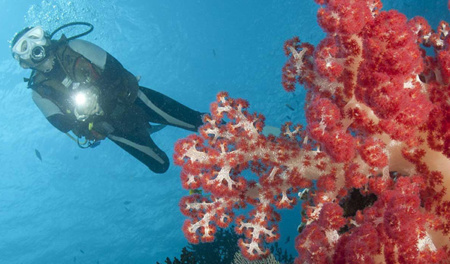
| Soft corals and sea fans | Walls, pinnacles and current-exposed reefs |
Wildlife encounters are never guaranteed. Local dive teams select sites according to conditions, diver ability and recent sightings.
Papua New Guinea dive resorts provide accommodation, meals, equipment support and daily boat trips from one regional base. This format suits travellers who want time to relax between dives or combine diving with cultural tours, birdwatching and island visits.
Liveaboards operate as floating accommodation and travel between dive sites. They provide access to remote reefs and allow divers to complete more dives without returning to land each day.
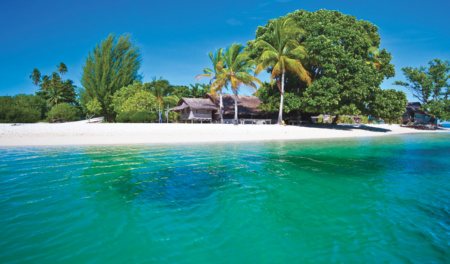
Specialist properties include Loloata Island Resort in Central, Tawali Leisure and Dive Resort in Milne Bay, Tufi Dive Resort in Oro Province, Walindi Plantation Resort near Kimbe Bay and island-based stays around Kavieng including Lissenung Island Resort. Availability and operating schedules change, so review current listings on our Where to Stay page and confirm inclusions directly with the operator.
Book with an established operator that matches sites to your certification and experience. Confirm whether equipment hire, nitrox, transfers, meals and marine fees are included before paying a deposit.
Papua New Guinea has a recompression chamber in Port Moresby, but many dive regions are remote and an evacuation can require private air transport. Comprehensive travel insurance needs to cover scuba diving, medical care and emergency evacuation from your planned locations. Carry proof of certification, disclose relevant medical conditions and follow conservative depth and surface-interval practices.
Start by choosing the marine environment and travel style that interest you most. Compare dive regions on our interactive map, browse Papua New Guinea itineraries and packages, or review the dive operators and experiences listed below.
Have questions about planning a diving holiday in Papua New Guinea? Contact our friendly team for help choosing the right region, resort or liveaboard.


Thank you for submitting your registration for the PNG Tourism Sector Legislation Review!
Spaces are limited per consultation, so only registered participants will be contacted.
Kind regards,
The Papua New Guinea Tourism Promotion Authority

Thank you for submitting your business form. We will have our team look over the details and then contact you once we have added your details to our website.