
More info
Find Travel Agents Near You
The Sepik River is the longest river in Papua New Guinea, flowing more than 1,100 kilometres from its source in the central highlands to its mouth on the Bismarck Sea. It winds through some of PNG’s most remote and culturally rich regions, passing through both East Sepik and Sandaun (West Sepik) Provinces.
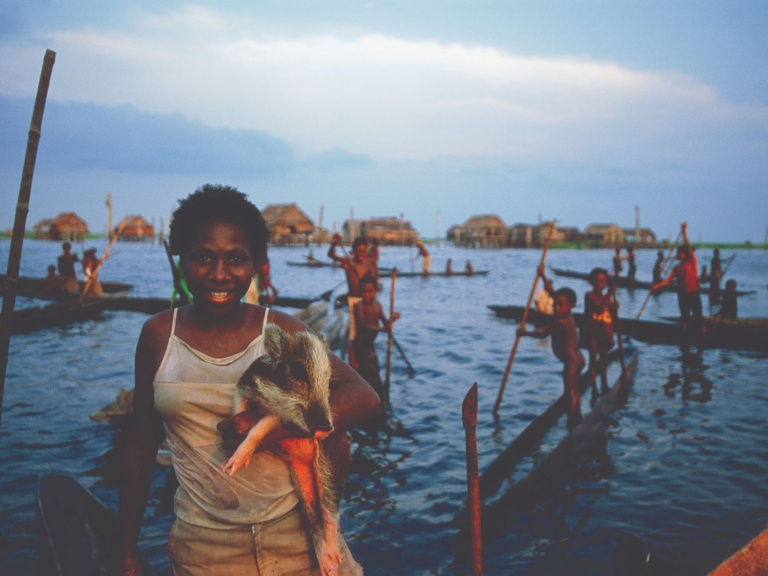
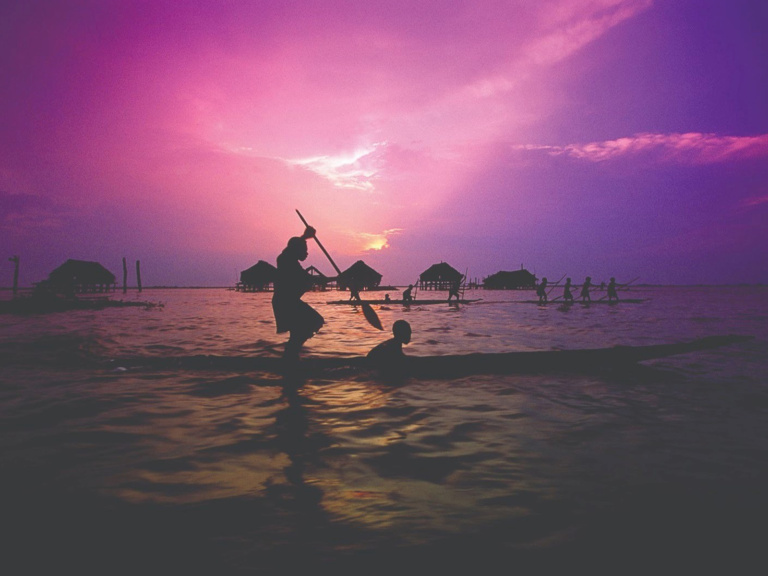
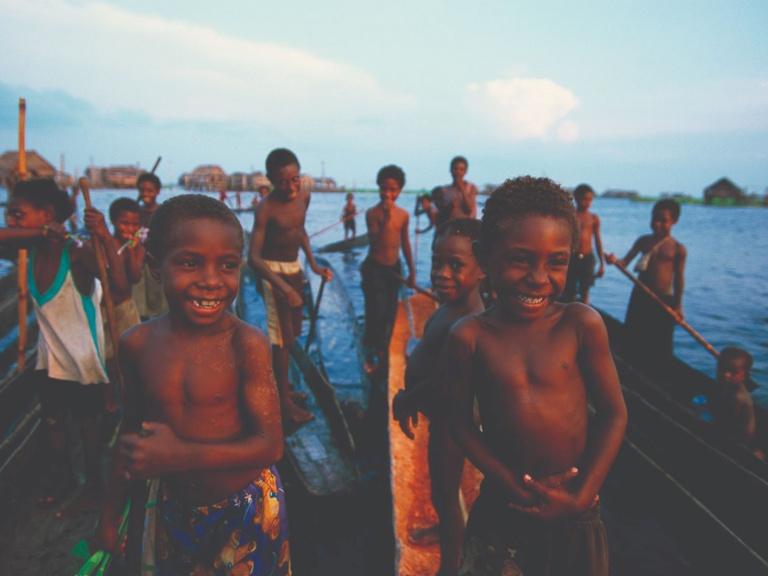
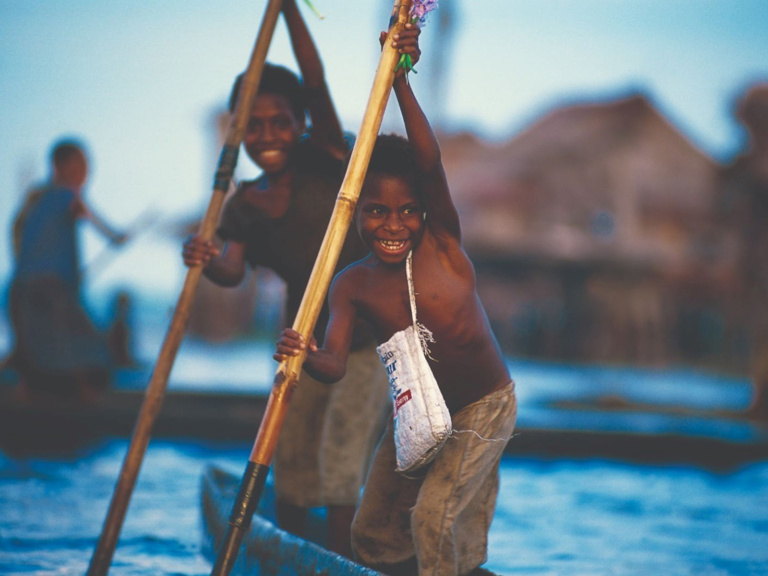
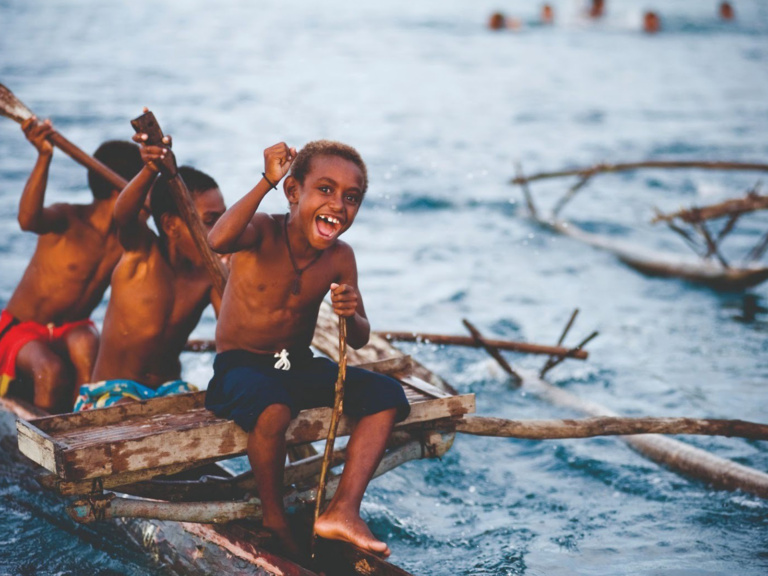
Unlike many major rivers, the Sepik River has no large cities along its banks. Instead, it supports hundreds of traditional villages that rely on the river for transport, food, and spiritual life. Its course cuts through vast floodplains, swamplands, and rainforest, shaping not only the local environment but also the cultural identity of the Sepik PNG region.
Renowned for its elaborate wood carvings, spirit houses, and strong connection to ancestral stories, the Sepik River is often described as a living cultural corridor—one where tradition remains deeply woven into daily life.
The Sepik River originates in the Victor Emanuel Range near Telefomin in Papua New Guinea’s central Highlands. It flows northwest before turning eastward, emptying into the Bismarck Sea near the town of Angoram in East Sepik Province.
Along its 1,126 kilometre journey, the river winds through lowland swamps, tropical rainforests, and vast floodplains. The Sepik forms meanders and oxbow lakes, supporting diverse ecosystems and creating fertile areas for subsistence farming and fishing.
Several major tributaries feed into the Sepik, including the Yellow, Karawari, Yuat, and May Rivers. These waterways connect hundreds of remote communities and contribute to the river’s significance as a natural and cultural lifeline.
Feature | Description |
Length | 1,126 km |
Source Location | Victor Emanuel Range, Telefomin |
Mouth Location | Bismarck Sea near Angoram |
Tributaries | Karawari, Yuat, Yellow, May Rivers |
Region Provinces | Momase East Sepik & Sandaun (West Sepik) Provinces |
The Sepik River is home to over 200 languages and some of Papua New Guinea’s most recognisable cultural traditions. Communities along the river have preserved rich artistic and ceremonial practices, passed down through generations.
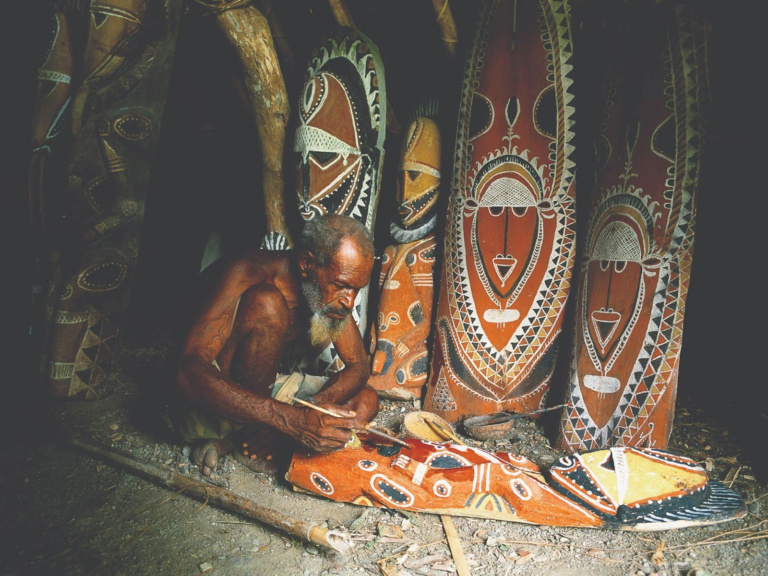
Central to Sepik culture are spirit houses, or haus tambaran, which serve as sacred spaces for men’s gatherings, initiation rites, and storytelling. These structures are often elaborately decorated with carvings and symbolic artwork.
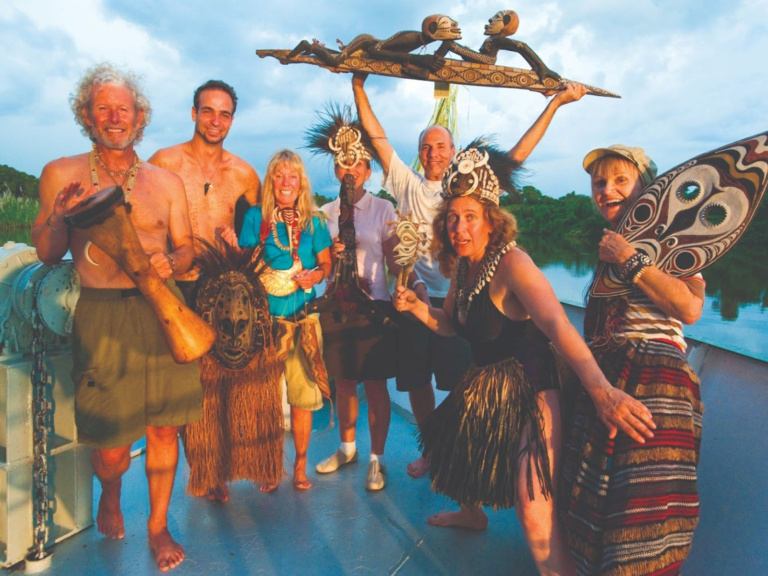
Wood carving is one of the most renowned art forms, with masks, totem poles, and ceremonial artefacts widely produced and traded. Each design reflects clan identities, ancestral stories, and spiritual beliefs.
Key villages like Tambanum, Kanganamun, and Palimbei are known for their craftsmanship and deep cultural roots. Visitors to these communities can learn about the role of the Sepik in daily life, belief systems, and creative expression.
The Sepik River basin supports rich biodiversity, including birds-of-paradise, crocodiles, cassowaries, and a wide range of wetland species. Its complex ecosystem spans swamps, grasslands, rainforest margins, and seasonally flooded plains.
These habitats sustain diverse wildlife and plant life. The river’s seasonal cycles create prime conditions for fish spawning, bird nesting, and the migration of aquatic and land animals. Crocodiles, in particular, play an important cultural and ecological role, some communities even practice traditional crocodile scarification as a rite of passage.
The region’s biodiversity is deeply tied to local livelihoods. Communities rely on the river and surrounding wetlands for food, medicine, materials, and trade. Wildlife observation, especially of iconic species like the cassowary, also draws eco-conscious travellers and researchers to the area.
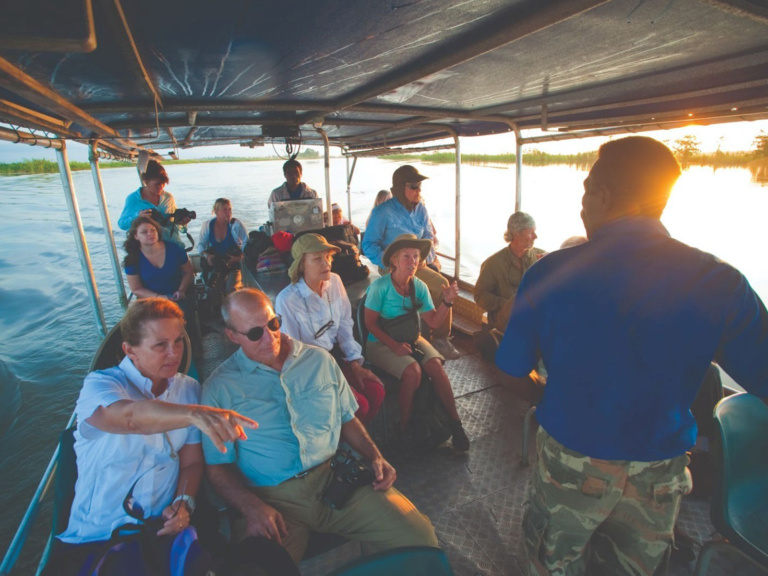
River cruises and village stays are the most common ways to explore the Sepik region. Travellers can expect a mix of natural beauty, cultural immersion, and remote adventure.
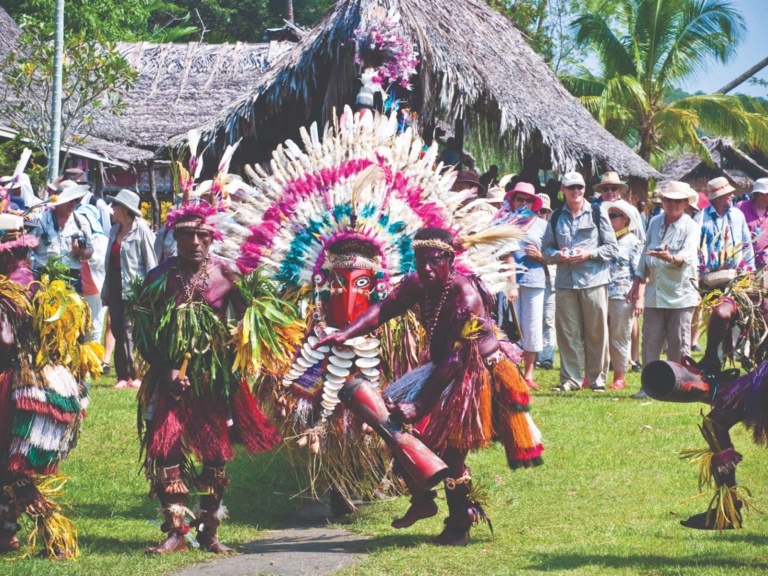
Trips often include canoe journeys or multi-day cruises aboard motorised longboats, stopping at traditional villages along the riverbanks. Visitors are welcomed with performances, shown ancestral art forms, and may even join wood carving or mask-making workshops.
Most travel takes place during the dry season (July to October), when water levels are stable and access is easier. Local guides are essential, both for navigation and cultural interpretation.
Timing your visit with cultural events like the Sepik River Crocodile Festival can offer a deeper connection to the region. Held annually in the beginning of August in Ambunti, this community-led celebration honours the spiritual role of crocodiles through dance, music, scarification displays, and traditional storytelling.
Recommended tour operators:
Popular access points include:
Sepik communities are leading efforts to preserve cultural traditions and resist large-scale environmental disruption. Despite pressures from logging and resource extraction projects, many villages are actively protecting their land, waterways, and customs.
Initiatives include community-led conservation zones, traditional knowledge programs, and partnerships with NGOs to safeguard biodiversity. Eco-tourism is also being promoted as a sustainable source of income, encouraging cultural exchange while supporting environmental and heritage protection.
The Sepik River offers one of the most immersive cultural and ecological experiences in Papua New Guinea. From its winding course through remote floodplains to the vibrant communities that call its banks home, the region rewards those willing to venture off the beaten path.
Whether you’re interested in traditional art, wildlife, or learning directly from local elders, a Sepik journey is rich with meaning and connection.
Get in touch to learn more about travel options, travel tips, local operators, and how to start planning your visit to one of PNG’s most culturally significant regions.


Thank you for submitting your registration for the PNG Tourism Sector Legislation Review!
Spaces are limited per consultation, so only registered participants will be contacted.
Kind regards,
The Papua New Guinea Tourism Promotion Authority

Thank you for submitting your business form. We will have our team look over the details and then contact you once we have added your details to our website.