
More info
Find Travel Agents Near You
Papua New Guinea (PNG) sits on the Pacific Ring of Fire, making it one of the most volcanically active countries in the world. Its rugged terrain, island chains, and dramatic coastlines have been formed and reshaped by frequent eruptions over thousands of years. From towering stratovolcanoes to submarine vents, PNG’s volcanoes are central to its geography, biodiversity, and cultural history.
This guide covers key facts about volcanoes in Papua New Guinea, including how many are active, notable eruption sites like Rabaul and Mount Lamington, and what makes the country one of Earth’s most geologically dynamic regions.
Papua New Guinea has 39 volcanoes, with at least 14 currently classified as active, including Mount Tavurvur (Rabaul) and Mount Lamington. Most are part of the Bismarck Volcanic Arc, formed by tectonic subduction between the Pacific and Australian Plates.
Papua New Guinea is located on the Pacific Ring of Fire, where the Australian Plate and Pacific Plate collide. This tectonic interaction creates intense geological activity, including the formation of volcanic arcs, frequent earthquakes, and geothermal systems. Subduction of the Pacific Plate beneath the Australian Plate drives most volcanic activity in the region.
Plate Boundary | Volcanic Region | Key Volcanoes |
Australian Plate ↘ Pacific Plate | Bismarck Volcanic Arc | Rabaul (Tavurvur), Langila, Ulawun |
Australian Plate ↘ Solomon Sea Plate | New Britain & Bougainville Arc | Bagana, Lolobau, Pago |
Australian Plate ↘ Woodlark Plate | D’Entrecasteaux Islands Arc | Fergusson Island volcanoes (e.g. Lamonai) |
These boundaries produce a mix of stratovolcanoes, calderas, and submarine volcanoes, many of which remain active or potentially active.
Papua New Guinea is home to several high-profile volcanoes, many of which remain active or show intermittent activity. These volcanoes have shaped landscapes, communities, and historical events across the country.
Volcano | Province | Type | Last Eruption | Notes |
Tavurvur | East New Britain | Stratovolcano | Ongoing | Part of the larger Rabaul Caldera, known for frequent ash plumes and local disruptions. |
Mount Lamington | Oro Province | Stratovolcano | 1951 | Caused over 3,000 deaths in PNG’s deadliest eruption. Now dormant but historically significant. |
Ulawun | West New Britain | Stratovolcano | 2019 | Tallest volcano in PNG and one of the most active in the South Pacific. |
Manam | Madang | Stratovolcano | 2022 | Highly active. Thousands of residents have been permanently relocated. |
Kadovar | East Sepik | Stratovolcano | 2018 | Unexpected reactivation after centuries of dormancy. |
Bagana | Bougainville | Lava dome | Frequent | Isolated and consistently active, producing regular ash emissions. |
These volcanoes highlight PNG’s geological volatility and are closely monitored by the Rabaul Volcanological Observatory and international agencies.
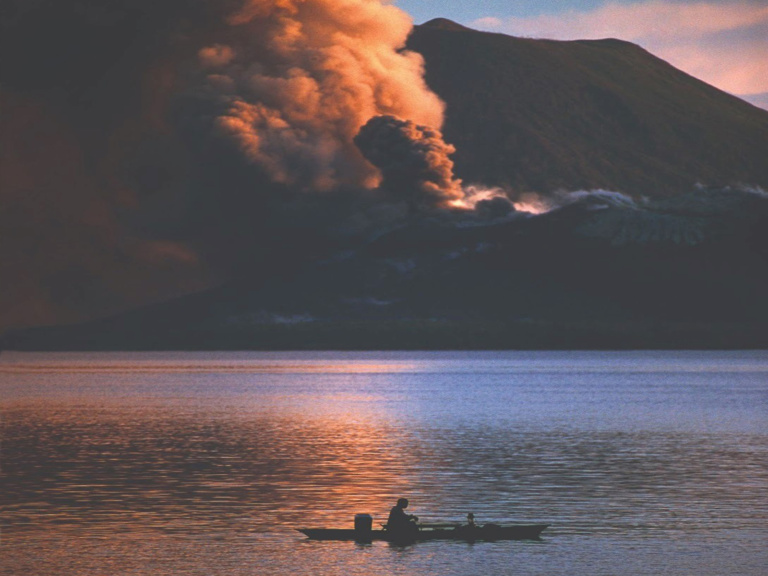
The Rabaul Caldera is one of Papua New Guinea’s most active and studied volcanic systems. Located in East New Britain, it includes several vents, most notably Tavurvur and Vulcan.
In 1994, a twin eruption from Tavurvur and Vulcan destroyed much of Rabaul town, burying infrastructure under ash and forcing mass evacuations. Since then, the provincial capital has been relocated to Kokopo, about 20 km away.
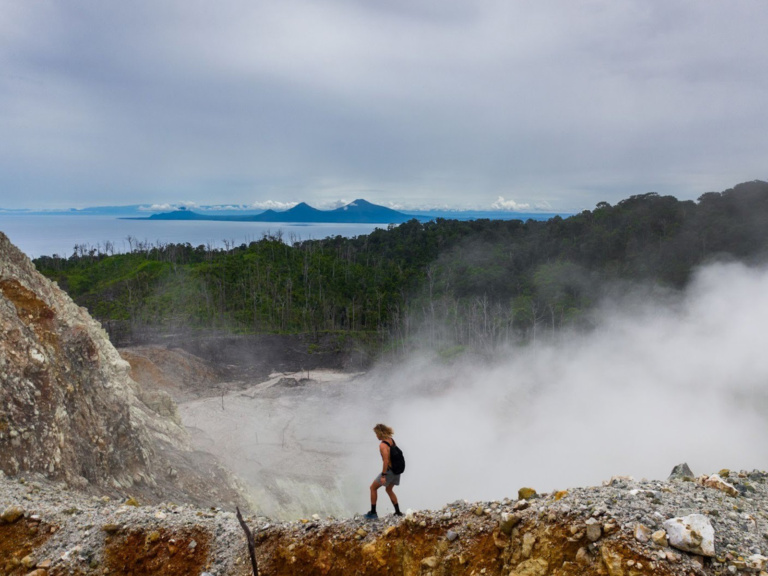
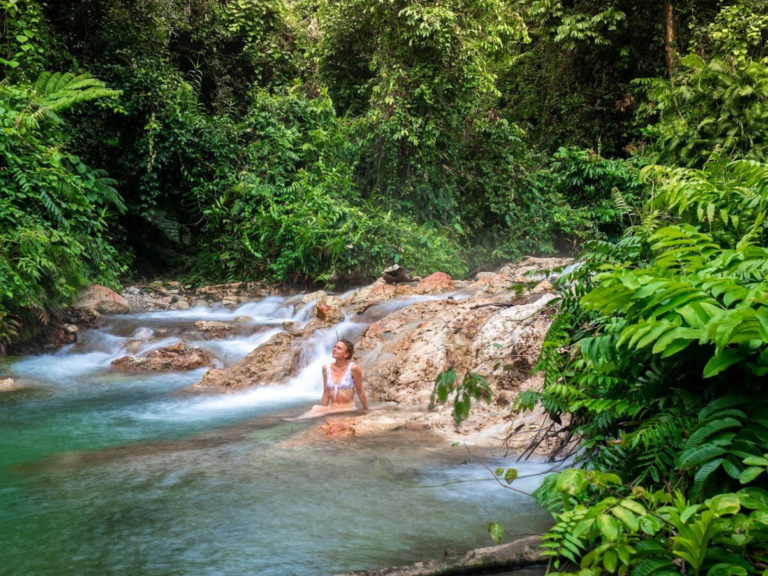
Today, Rabaul remains a centre for volcano tourism, offering visitors access to:
The Rabaul Volcanological Observatory monitors the site closely, and guided tours allow safe access to key vantage points.
Mount Lamington, located in Oro Province, is best known for its catastrophic eruption on 21 January 1951, which killed almost 3,000 people. It remains one of Papua New Guinea’s deadliest natural disasters.
The eruption produced pyroclastic flows and ash that obliterated entire villages, including Higaturu, the former provincial capital. Thousands more were displaced, and emergency response efforts became one of the earliest examples of coordinated international disaster relief in PNG.
In the aftermath, Popondetta was established as the new capital and centre of recovery. The event reshaped local geography and community structures.
Today, Mount Lamington is closely monitored by the Rabaul Volcanological Observatory. While dormant, it stands as a powerful symbol of both natural force and community resilience.
Mount Giluwe, located in the Western Highlands, is Papua New Guinea’s second-highest mountain at 4,367 metres. While it’s no longer active, it’s an eroded stratovolcano that once dominated the highlands with volcanic force.
Today, it’s recognised as one of the Volcanic Seven Summits – the tallest volcanic peaks on each continent – making it a sought-after climb for international mountaineers. The summit is covered in alpine grasslands, with occasional snow during colder months, offering a rare contrast to PNG’s tropical lowlands.
Giluwe’s ancient volcanic origins have shaped much of the surrounding landscape, influencing soil fertility, vegetation patterns, and local microclimates. Though it no longer erupts, its legacy as one of the world’s highest volcanic landforms continues to attract geologists, hikers, and adventurers alike.
Several volcanoes in Papua New Guinea are open to visitors through local tour operators and community guides. Always confirm access conditions before travel.
Always travel with a licensed local guide and check volcanic activity updates from the Rabaul Volcanological Observatory.
Yes, many travellers safely visit active volcanic sites in Papua New Guinea every year, especially in areas like Rabaul, Tufi, and Manam. However, understanding the conditions and taking local advice seriously is essential.
Most visits to PNG are trouble-free, but it’s important to be aware and prepared:
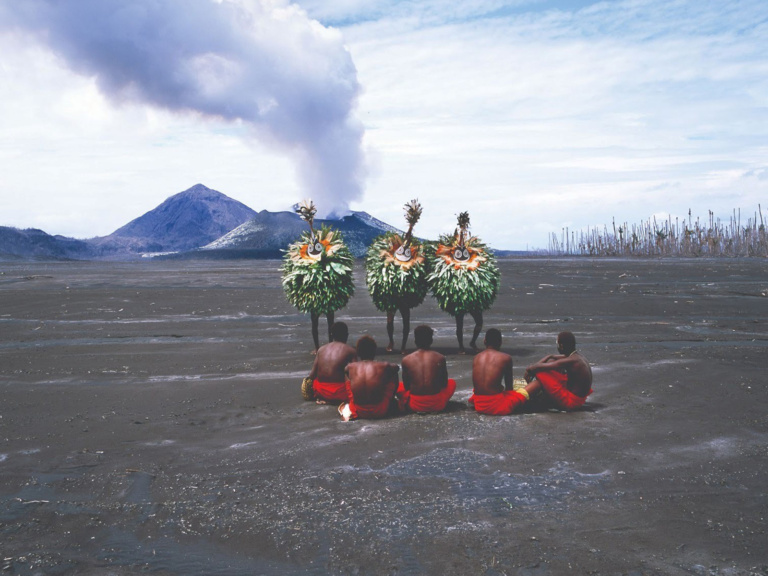
Travelling to see PNG’s volcanoes is safe when done with care, planning, and respect for local knowledge. The experience is often life-changing, offering not only striking landscapes, but a deep connection to nature, resilience, and culture.


Thank you for submitting your registration for the PNG Tourism Sector Legislation Review!
Spaces are limited per consultation, so only registered participants will be contacted.
Kind regards,
The Papua New Guinea Tourism Promotion Authority

Thank you for submitting your business form. We will have our team look over the details and then contact you once we have added your details to our website.